हालिया बड़े पैमाने की औद्योगिक तैनातियाँ इस रणनीतिक दिशा को स्पष्ट रूप से प्रमाणित करती हैं। विशेष रूप से, 23 जून 2026 को आधिकारिक product rollout में Google ने mobile browser automation में महत्वपूर्ण अपग्रेड पेश किए। इसके परिणामस्वरूप, ये बदलाव web transactions को अधिक सहज और कम friction वाला बनाते हैं। डेवलपर टीमों के लिए तात्कालिक चुनौती यह है कि वे मजबूत सुरक्षा और डेटा consistency बनाए रखते हुए cross-platform transitions को संभालें। अहम बात यह है कि Chrome 150 Autofills अपडेट का आना mobile user experiences में एक महत्वपूर्ण मील का पत्थर है।
Chrome 150 Autofills Mobile Fields: Google के Dual-Platform Wallet Consolidation को समझना
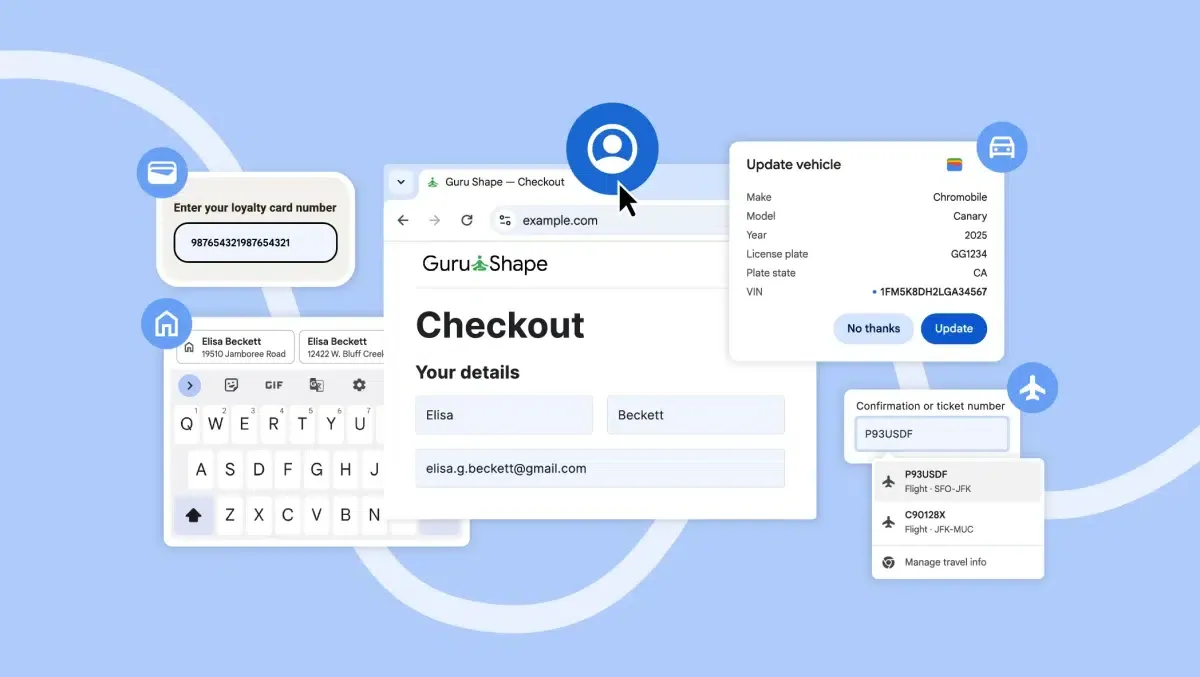
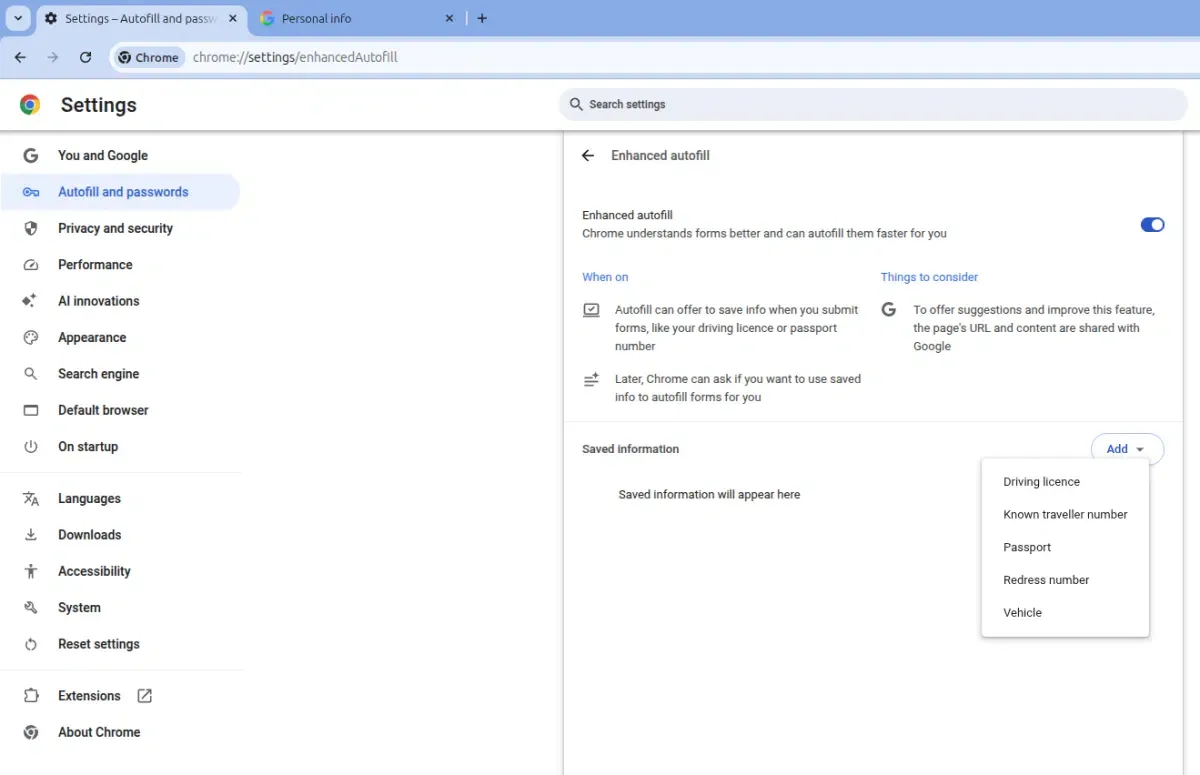
23 जून 2026 को Chrome 150 के mobile rollout के दौरान Google ने form automation में बड़े अपग्रेड पेश किए। विशेष रूप से, Google Wallet और Chrome Autofills के बीच गहरा integration मोबाइल डिवाइस पर documentation storage को आसान बनाता है। इसके अलावा, browser अब driver’s licenses, passports और Known Traveler Numbers जैसे जटिल data structures को support करता है। नतीजतन, mobile users को अब alphanumeric strings को manually copy और paste करने की ज़रूरत नहीं रहती। साथ ही, system browser fields और digital wallet databases के बीच two-way synchronization सक्षम करता है। उदाहरण के लिए, जब कोई user किसी form में vehicle license plate टाइप करता है, तो Chrome उसे encrypt करके सीधे Google Wallet में save करने का विकल्प देता है। विस्तृत specs The Keyword पर दिए गए हैं।
Wallet Integration और Chrome 150 Mobile Mechanics
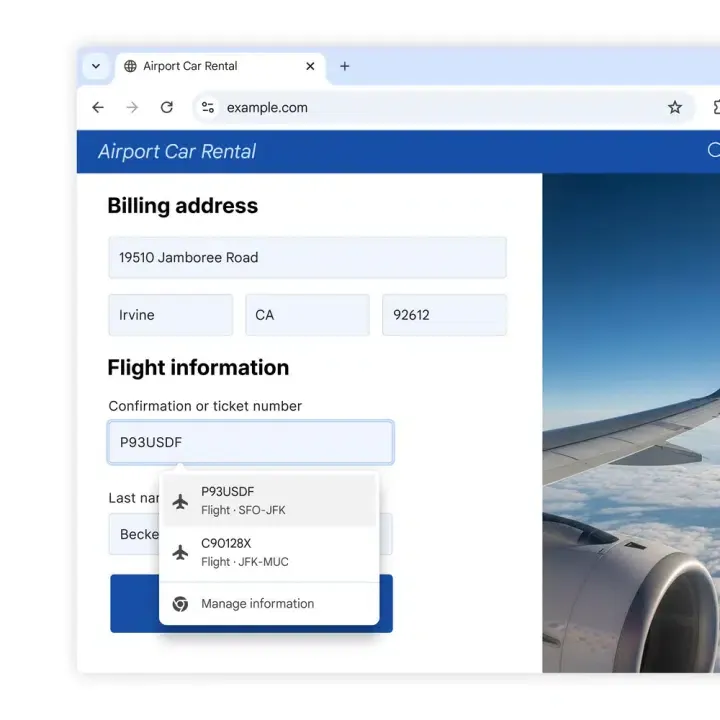
विशेष रूप से, जब Chrome 150 Autofills जटिल form fields को भरता है, तो यह saved passport numbers, Known Traveler Numbers और flight details को सीधे user के digital wallet से लेता है। उदाहरण के लिए, airport पर car rent करने वाला traveler flight confirmation numbers और rental dates को तुरंत populate कर सकता है। इसके अलावा, यह experience desktop, Android और iOS पर वैश्विक स्तर पर rollout हो रहा है। नतीजतन, mobile browsing खासकर frequent travelers के लिए काफी कम जटिल हो जाती है। साथ ही, Android users को पारंपरिक one-line interface के बजाय two-line autofill suggestion layout मिलता है। यह visual upgrade users को सीमित digital layouts में सही credential profile को जल्दी scan और select करने में मदद करता है।
Five-Category Settings का संरचनात्मक बदलाव
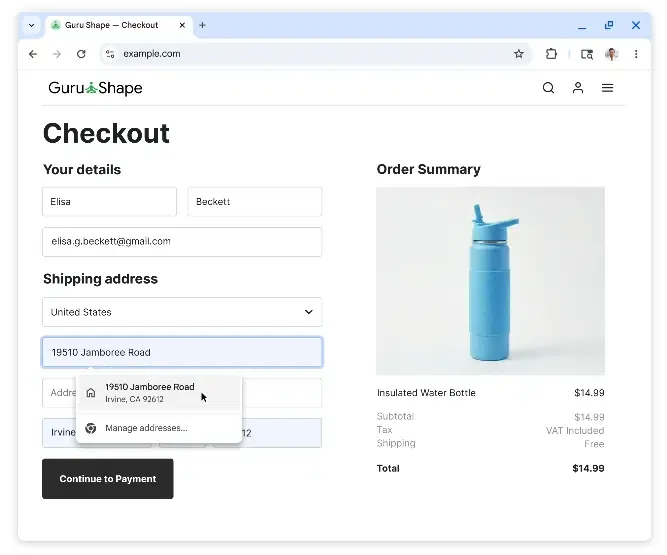
इन विस्तारित capabilities को support करने के लिए Google ने Chrome के preference page में बड़ा structural overhaul किया है। विशेष रूप से, Android के लिए Chrome 150 में पुराने “Passwords and Autofill” section की जगह एक साफ़, five-category layout ने ले ली है। इसके अलावा, यह नया interface sensitive information को स्पष्ट रूप से अलग-अलग groups में व्यवस्थित करता है। नतीजतन, users अपने data को कहीं अधिक granular control के साथ manage कर सकते हैं:
- Google Password Manager: raw passwords और cryptographic passkeys को secure और manage करता है।
- Payments: credit और debit cards, IBANs और retail loyalty cards को control करता है।
- Contact info: verified home और work physical addresses को aggregate करता है।
- Identity docs: driver’s licenses, state identity cards और international passports को manage करता है।
- Travel: saved flight itineraries, known traveler numbers और license plates या VINs जैसे vehicle details को restructure करता है।
Bidirectional Encryption और Consent Safeguards
क्योंकि government IDs को संभालने से स्पष्ट security questions उठते हैं, Google ने core layout में सख्त user-level guardrails जोड़े हैं। विशेष रूप से, जब Chrome 150 Autofills driver’s licenses या passports को भरता है, तो browser और Google Wallet के बीच सभी syncing secure end-to-end encryption के ज़रिए होती है। इसके अलावा, browser explicit user consent के बिना आपकी sensitive information को कभी save या fill नहीं करेगा। उदाहरण के लिए, users individual wallet passes के नीचे मौजूद “Use private pass across Google” toggle के ज़रिए अपनी sharing preferences manage कर सकते हैं। अहम बात यह है कि इसे off करने पर browser उस specific document को access नहीं कर पाएगा। साथ ही, Google के support pages बताते हैं कि active form वाली website पर जाने से suggestion accuracy बेहतर करने के लिए site का URL और content Google के साथ share हो सकता है।
Interactivity को कम करना: Automated Form Solutions कैसे Web-to-App Ecosystem Shift लाते हैं
जैसे-जैसे browsers user fill-outs को automate करते हैं, web forms पारंपरिक interactive friction को कम करते हैं और web-to-app conversions को तेज़ करते हैं। विशेष रूप से, जब Chrome 150 Autofills travel और payment data भरता है, तो web forms पारंपरिक interactive friction को घटाते हैं और web-to-app conversions को accelerate करते हैं। cross-platform hops के दौरान user intent को सहज रूप से resolve करने के लिए मजबूत universal link routing की आवश्यकता होती है।
Completion मॉडल का बदलना: जब Agent Execution दबाए गए Keys से आगे निकलता है
इसके अलावा, जब हजारों autonomous agents tasks execute करते हैं, तो वे पारंपरिक web browsers और direct user interfaces को bypass कर देते हैं। नतीजतन, क्योंकि Chrome 150 Autofills background threads में data भरता है, standard web flows प्रभावित होते हैं। विशेष रूप से, पारंपरिक measurement models traffic sources की पहचान करने के लिए cookies, HTTP referrers और UTM parameters पर निर्भर करते हैं। साथ ही, agent-driven traffic सीधे APIs के माध्यम से execute होता है, जिससे standard measurement parameters हट जाते हैं। परिणामस्वरूप, businesses को उल्लेखनीय data discrepancy का सामना करना पड़ता है, जिससे user acquisition ROI का मूल्यांकन कठिन हो जाता है। अहम बात यह है कि यह data blackout growth teams को अपने marketing campaigns optimize करने से रोकता है।
Bot Swarms और Invalid Traffic का Threat Vector
इसके अलावा, low-cost, high-performance tokens की उपलब्धता एक महत्वपूर्ण security threat vector पेश करती है। उदाहरण के लिए, malicious actors organic interactions की नकल करने के लिए automated bot swarms deploy कर सकते हैं। नतीजतन, ये bots app installs को falsify कर सकते हैं, fraudulent click spam execute कर सकते हैं और invalid conversion measurement events trigger कर सकते हैं। विशेष रूप से, क्योंकि agent का behavior human decisions जैसा दिखता है, पारंपरिक security thresholds fraud को आसानी से detect नहीं कर पाते। परिणामस्वरूप, developers को invalid traffic और budget waste के गंभीर जोखिमों का सामना करना पड़ता है। साथ ही, manual clicks के लिए design किए गए पारंपरिक software development kits (SDKs) automated tasks से निपटने में कठिनाई महसूस करते हैं। अहम बात यह है कि यह vulnerability अधिक मजबूत integration layer की तत्काल आवश्यकता को सामने लाती है।
Reference Architectures & Engineering References: मजबूत Web-to-App Routing Protocols स्थापित करना
web-to-app gap को bridge करने और checkout pipeline को secure करने के लिए software architects को standardized engineering safeguards लागू करने चाहिए। विशेष रूप से, हमें “80/20” approach अपनानी चाहिए, जहाँ architecture का 80% universal technical principles पर केंद्रित हो और 20% proven tool standards का उपयोग करे। इसके अलावा, सबसे महत्वपूर्ण defensive measures में से एक secure, cross-platform intent filters की deployment है। नतीजतन, जब browser में कोई transaction पूरा होता है, तो server को native application को wake up करने के लिए तुरंत secure handshake initiate करना चाहिए।
Unified Web-to-App Routing Protocols बनाना
विशेष रूप से, Chrome 150 Autofills द्वारा initial form fields भरने के बाद system को user context hand over करना होता है। इसके अलावा, इस transition के लिए standardized universal linking architecture की deployment आवश्यक है, ताकि user की transaction state web से सीधे native environment में route हो सके। नतीजतन, application तुरंत launch होता है और user का checkout context preserved रहता है। साथ ही, server session token को validate करता है ताकि यह सुनिश्चित हो सके कि transfer malicious scripts द्वारा intercept नहीं किया गया। परिणामस्वरूप, reliable mobile sdk का integration पूरे acquisition lifecycle में data consistency सुनिश्चित करता है।
SDK Implementations में Cryptographic Signatures को मजबूत करना
इसके अलावा, transmission links को secure करने के लिए Cryptographic Signatures को enforce करना आवश्यक है। विशेष रूप से, हर transit URL और API callback को private key encryption का उपयोग करके sign किया जाना चाहिए। नतीजतन, इससे यह सुनिश्चित होता है कि measurement url को intermediate proxy scripts manipulate नहीं कर सकते। साथ ही, जब application handshake execute करता है, तो server authenticity सुनिश्चित करने के लिए signature verify करता है। परिणामस्वरूप, developers spoofing attempts को आत्मविश्वास के साथ block कर सकते हैं और conversion measurement integrity बनाए रख सकते हैं। इन complex infrastructures को manually build करने से बचने के लिए, teams ready-to-use reference implementation के रूप में pre-configured deferred parameter pass-through framework deploy कर सकती हैं।
Technical Teams को Align करना: Nodes में Chrome 150 Autofills Implementation
विशेष रूप से, जब Chrome 150 Autofills technical documentation को भरता है, तो workflows implement करने के लिए technical और marketing departments के बीच close coordination की आवश्यकता होती है। विशेष रूप से, engineering team को unique identifiers standardize करने और SDK compatibility सुनिश्चित करने पर focus करना चाहिए। इसके अलावा, developers को multiple multi-tenant deployments संभालने के लिए मजबूत bundle id policy design करनी चाहिए। नतीजतन, app के अलग-अलग regional stores में launch होने पर identifier clashes से बचा जा सकता है। साथ ही, technical architects को ios sdk और android sdk की spoofing रोकने के लिए secure signature verification implement करना चाहिए। उदाहरण के लिए, ios sdk को secure universal links का उपयोग करना चाहिए, जबकि android sdk को verified app links पर निर्भर रहना चाहिए। अहम बात यह है कि ये deep linking protocols सुनिश्चित करते हैं कि web-to-app flow से transition secure और तेज़ हो। परिणामस्वरूप, teams malicious scripts को deep link generator hijack करने से रोक सकती हैं।
Developers और Architects के लिए Technical Considerations
विशेष रूप से, developers को android sdk और ios sdk में unified multi-platform identifiers implement करने चाहिए। इसके अलावा, bundle id consistency बनाए रखना cross-store routing के लिए essential है। नतीजतन, जब app custom url scheme या universal links के ज़रिए launch होता है, तो context तुरंत restore हो जाता है। साथ ही, malicious script injection रोकने के लिए signature verification gateway level पर चलना चाहिए। परिणामस्वरूप, engineering team standardized universal linking architecture का उपयोग करके downstream systems के लिए high-quality raw data सुनिश्चित कर सकती है।
Deflation के दौर में Growth Strategies और Customer Acquisition
विशेष रूप से, growth leads को अपने acquisition metrics को real-time cohort analysis पर focus करने के लिए adjust करना चाहिए। इसके अलावा, deferred deep linking का उपयोग customized onboarding flows design करने में मदद करता है। नतीजतन, जब referred user app launch करता है, तो referral tracking conversion को automatically attribute करती है। परिणामस्वरूप, brands exact customer acquisition cost (cac) और return on marketing investment की गणना कर सकते हैं। अहम बात यह है कि यह precise attribution invalid automated traffic को filter करता है। इसके अलावा, यह collaborative alignment सुनिश्चित करता है कि यह model technical stability और measurable growth दोनों को support करे।
अक्सर पूछे जाने वाले प्रश्न (FAQ)
क्या Chrome 150 Autofills form data को Google servers के साथ share करता है?
Chrome 150 Autofills द्वारा IDs भरने से Mobile Campaign Attribution पर असर क्यों पड़ता है?
Chrome 150 Autofills द्वारा native forms भरने के बाद developers handshakes को कैसे secure कर सकते हैं?
Macro Technology Forecasts: Privacy Sandboxes और Decoupled Web-to-App Journeys का भविष्य
यह launch global technology landscape में व्यापक बदलाव का संकेत देता है। विशेष रूप से, operating systems और application distribution की पारंपरिक boundaries धीरे-धीरे कमज़ोर हो रही हैं। इसके अलावा, जैसे-जैसे intelligent agents और browser engines execution tasks संभालते हैं, users के लिए primary interface अधिक automated, voice-enabled या conversational layouts की ओर बढ़ेगा। नतीजतन, traditional app stores discoverability पर अपनी पकड़ का कुछ हिस्सा खो सकते हैं। साथ ही, industry में dynamically generated, single-purpose micro-applications का तेज़ उभार देखने को मिलेगा, जिन्हें immediate tasks के लिए design किया जाएगा। परिणामस्वरूप, instant और low-friction distribution की मांग तेजी से बढ़ेगी। अहम बात यह है कि जो developers अपने attribution और security layers को इस नए agentic मॉडल के अनुरूप नहीं ढालते, वे अपने वास्तविक traffic sources को समझने में सीमित रह सकते हैं।
इसके अलावा, कुछ global giants के भीतर model intelligence का consolidation गंभीर compliance walls खड़ी करेगा। विशेष रूप से, SKAdNetwork और Google Privacy Sandbox जैसे data privacy frameworks data access को लगातार सख्त करेंगे। नतीजतन, developers को probabilistic tracking के बजाय first-party, deterministic data collection को प्राथमिकता देनी चाहिए। साथ ही, secure, multi-touch attribution standards का integration किसी भी technical architecture के लिए baseline बन जाएगा। परिणामस्वरूप, वह दौर जिसमें Chrome 150 Autofills अत्यधिक sensitive credentials को भरता है, एक नए technical चरण की शुरुआत का संकेत देता है। अहम बात यह है कि organizations को इस decentralized future में competitive बने रहने के लिए आज ही अपनी data pipelines को rebuild करना चाहिए।
Share this article