Amazon Tablets Add Google Play? Amazon announced a new family of Android-powered Alexa Tablets on October 8, 2026, bringing official Google Play Store access to its new 8-inch, 11-inch, and 12 Pro tablet models. The move marks a major shift from Amazon’s long-running Fire OS approach, under which developers often had to account for Amazon Appstore distribution and alternatives to Google-dependent services. Amazon’s developer guidance now directs standard Alexa Tablet app submissions through Google Play, while existing Fire devices and Amazon Kids+ workflows retain separate considerations. For mobile developers and growth teams, the change creates an opportunity to simplify distribution, but Install Referrer compatibility, deep-link behavior, and attribution accuracy still need to be evaluated separately.
Why Amazon Is Moving from Fire OS to Google Play
At a Glance
- Amazon is phasing out the Fire tablet brand for new hardware, introducing aluminum-bodied Alexa Tablets with certified Android and native Google Play Store access.
- Developer documentation confirms that standard third-party applications for Alexa Tablets will be distributed and managed through the Google Play Console rather than the Amazon Developer Console.
- Legacy Fire OS tablets and specialized programs such as Amazon Kids+ retain distinct submission requirements, meaning multi-channel workflows cannot be retired immediately.
The consumer tablet market has long penalized proprietary operating system forks. When Amazon introduced the original Kindle Fire in 2011, providing subsidized hardware served as a gateway to drive digital commerce, Prime Video streaming, and Kindle book consumption. To protect internal monetization, Amazon implemented Fire OS, an open-source Android fork that deliberately omitted Google Mobile Services. This framework required third-party engineering teams to maintain dedicated Amazon Appstore distribution pipelines, adapt push messaging, and configure separate in-app billing libraries.
Over the past decade, that fragmented model generated substantial developer friction. According to market data highlighted in reporting by Reuters, global tablet shipments have contracted while Amazon’s worldwide tablet market share dropped to 1.9 percent in the second quarter of 2026. Third-party developers routinely delayed or skipped Amazon Appstore updates, leaving tablet users with outdated software and missing features compared with standard Android and iPadOS counterparts.
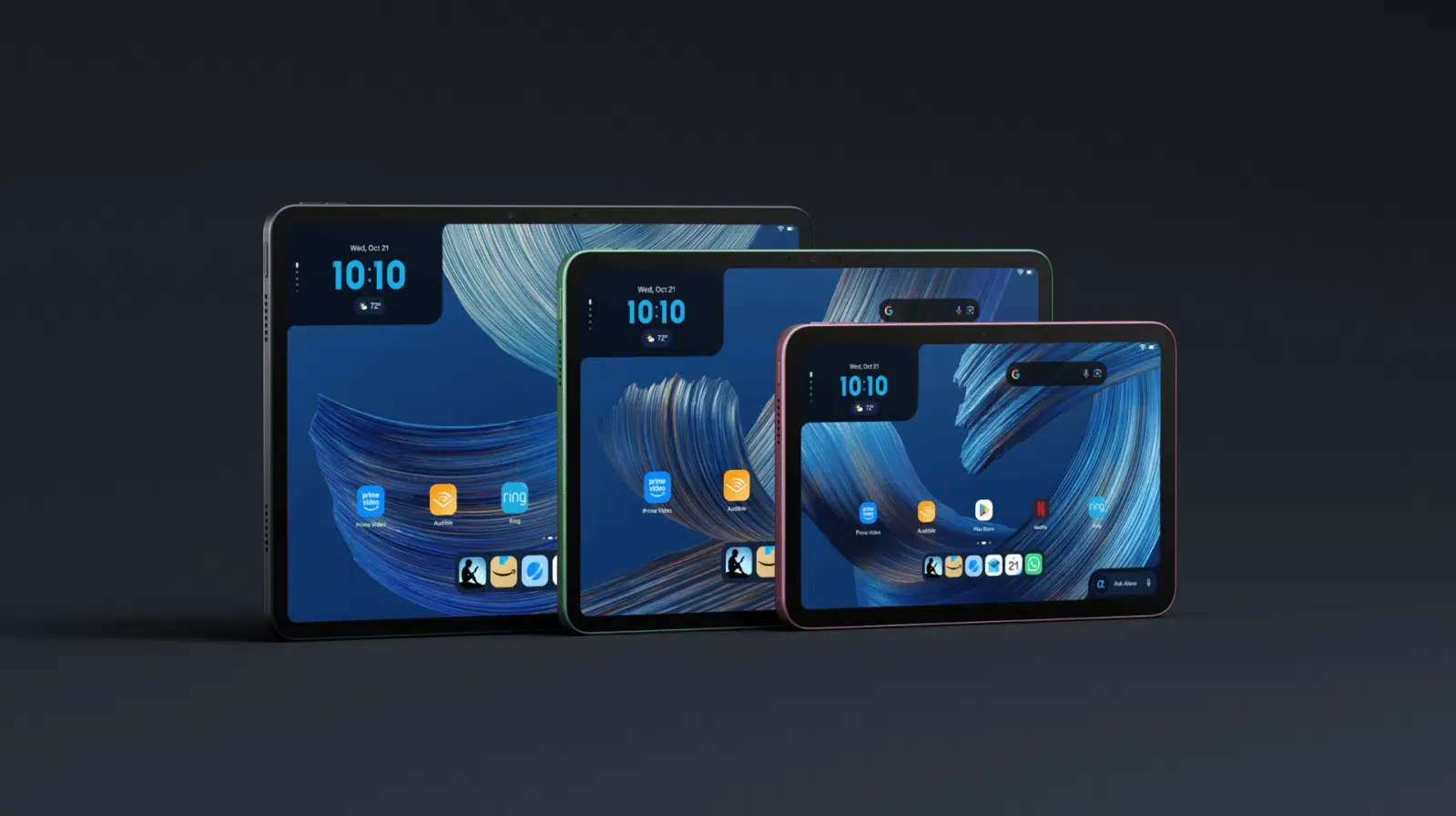
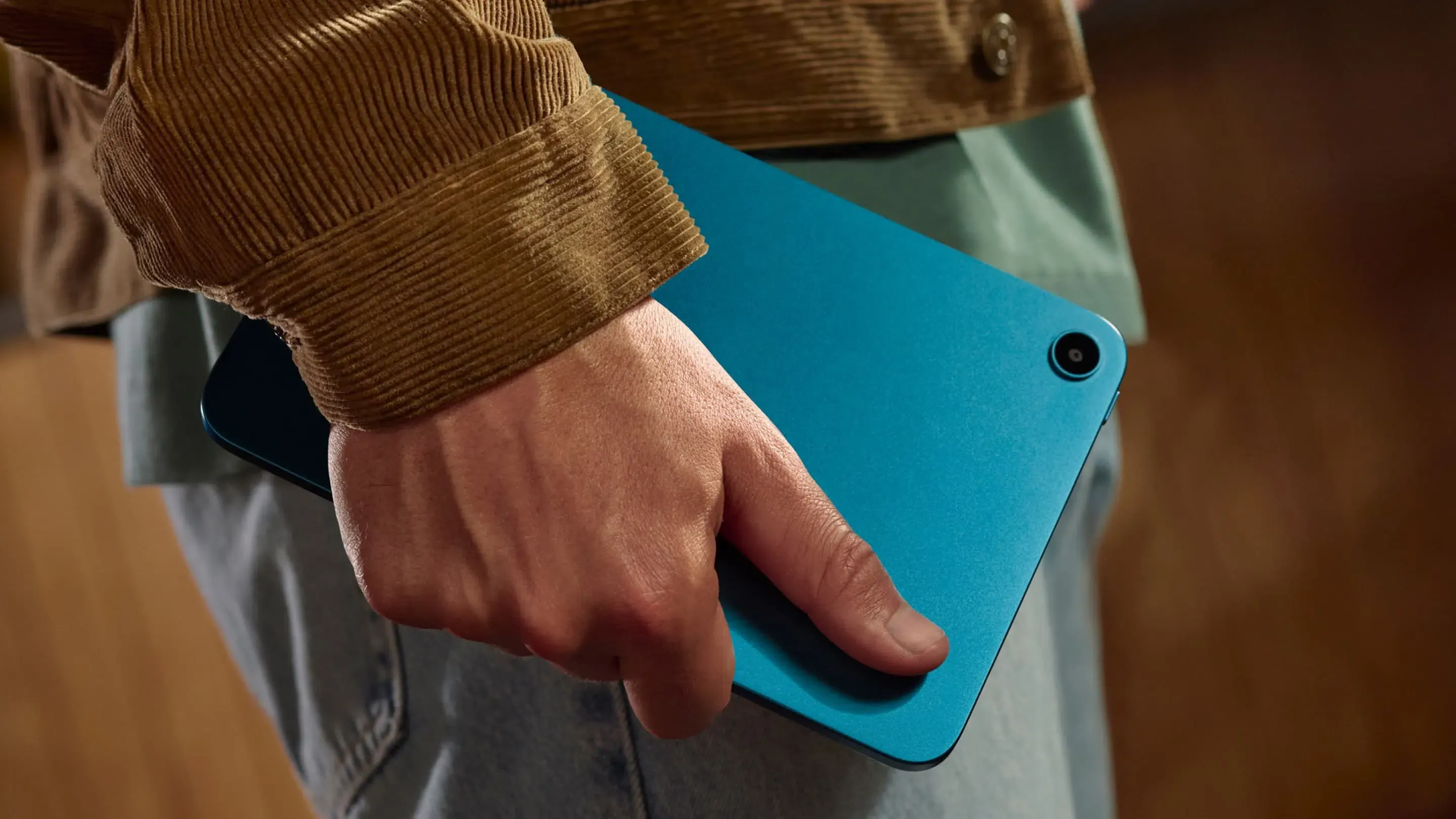
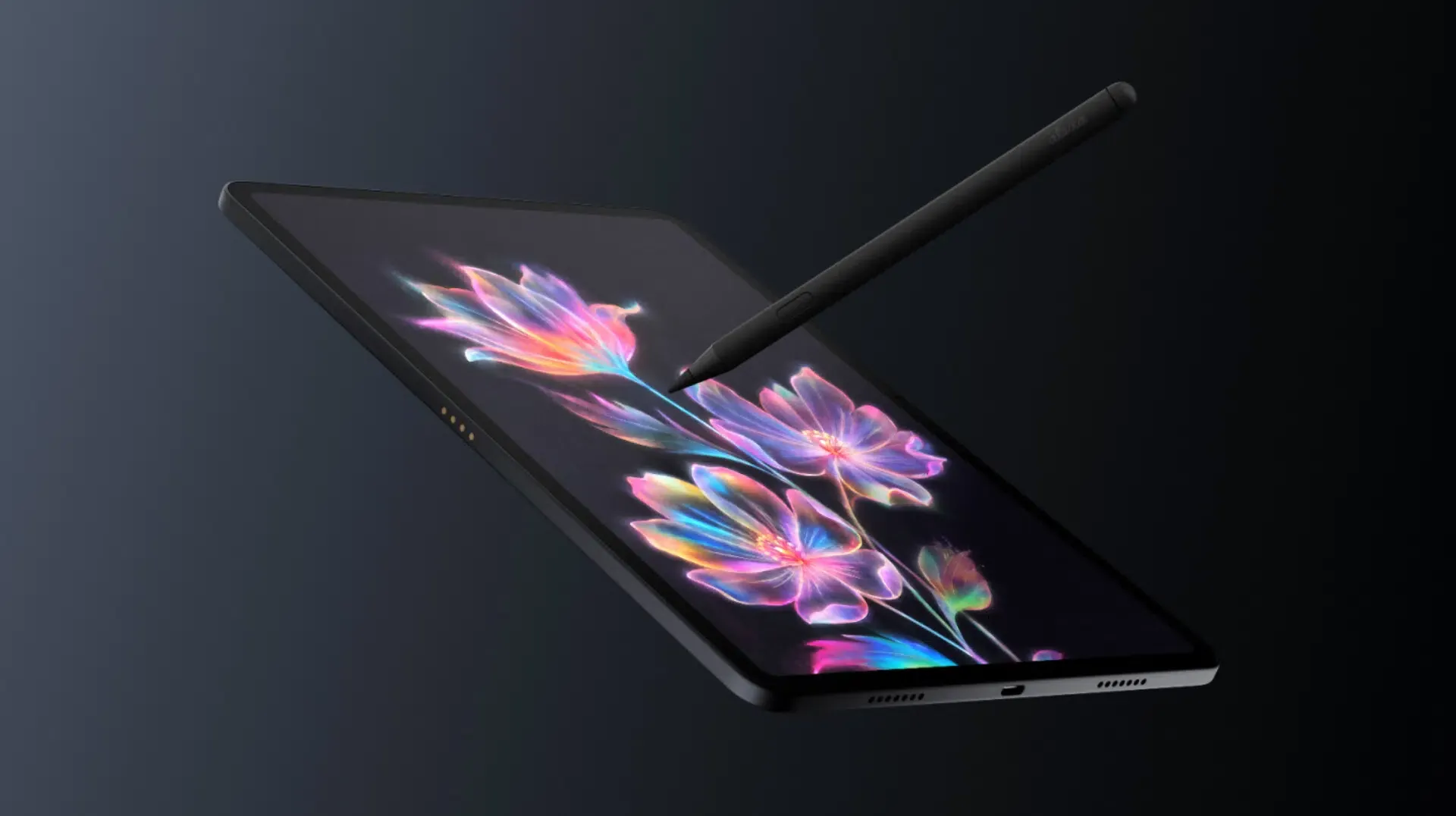
Addressing these commercial hurdles, Amazon devices leadership acknowledged that official Play Store availability had become essential. As confirmed in the official Amazon Devices announcement, the new hardware lineup—encompassing the Alexa Tablet 8, Alexa Tablet 11, and the premium Alexa Tablet 12 Pro—abandons the Fire OS moniker in favor of standard Android with official Google Mobile Services. Rather than relying on unofficial sideloading, users gain direct access to the wider Google Play application library.
What Google Play Changes for Alexa Tablet Developers
The transition to certified Android fundamentally alters developer deployment workflows. Under the newly published Amazon Developer Alexa Tablet Devices FAQ, Amazon instructs developers that standard third-party apps intended for Alexa Tablets should be submitted directly to Google Play. Crucially, these new devices will not be managed through Amazon Appstore Quality Central, nor will revenue metrics appear in the Amazon Developer Console; instead, release management, internal testing tracks, and financial telemetry shift entirely to the Google Play Console.
However, moving to Google Play does not automatically guarantee that every measurement, linking, and background service works identically across hardware environments. The interaction between store distribution, system libraries, and marketing attribution involves several distinct architectural layers:
[Existing Fire OS Devices]
  App Publisher
      → Amazon Appstore
      → Fire OS Device
      → Store-Specific Services and Measurement Requirements

[New Alexa Tablets — Standard App Distribution]
  App Publisher
      → Google Play Console
      → Google Play Store
      → Compatible Alexa Tablet
      → Application Installation

[Install Referrer — Conditional Verification]
  Google Play Installation
      → Supported Install Referrer API
      → App / Measurement SDK Reads Available Referrer Data
      → Attribution Processing Subject to Campaign and Privacy Conditions

[Deferred Deep Linking — Separate Workflow]
  Campaign or Referral Link
      → Web / Store Routing
      → Installation
      → First App Launch
      → Context Restoration If Supported and Properly Implemented
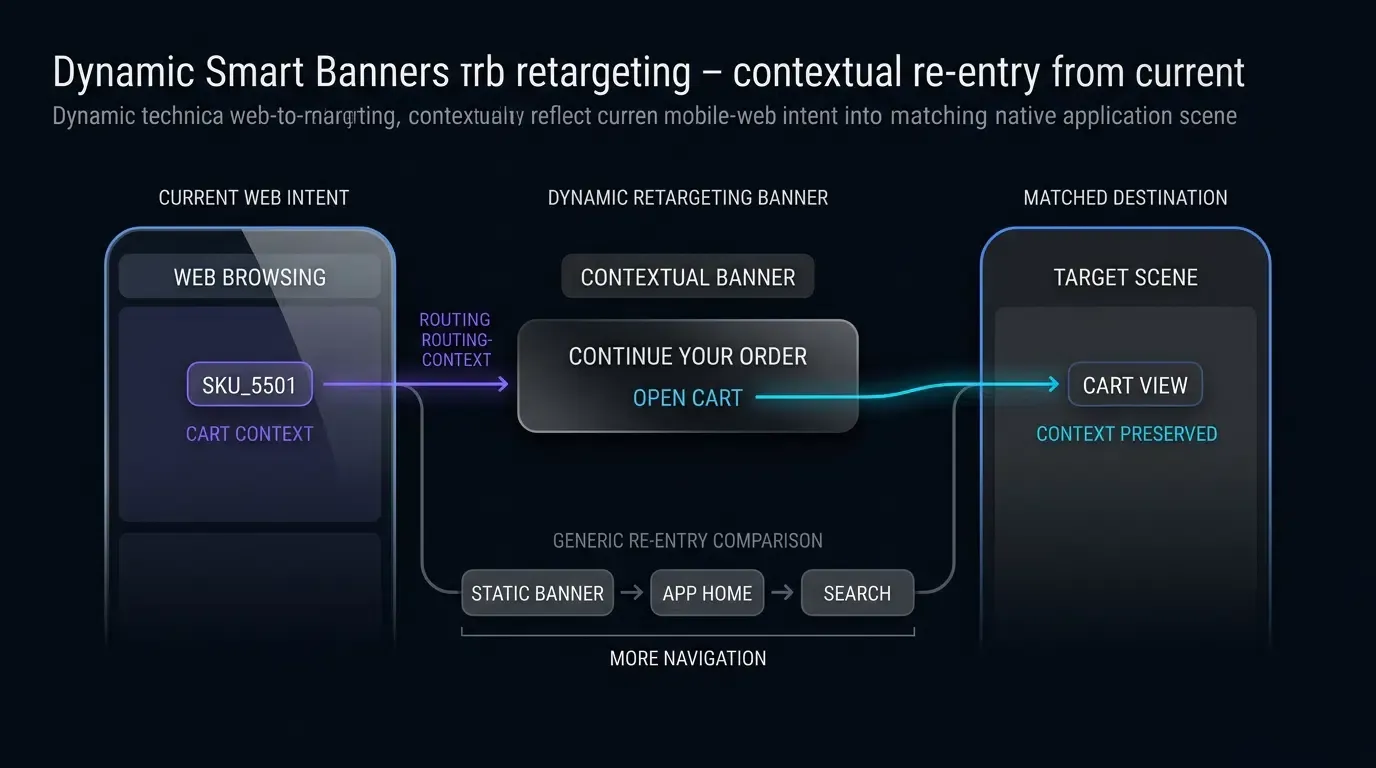
Google Play distribution does not by itself guarantee complete attribution, cross-store measurement, or deferred deep-link recovery. Developers should verify each capability separately on supported devices and account configurations.
At the integration layer, developers must distinguish between standard distribution and installation measurement:
- Store Distribution: Google Play manages the application binary delivery, dependency updates, and device configuration targeting.
- Install Referrer API: Google Play exposes installation source metadata when queried by authorized client libraries, as outlined in Google Play Install Referrer documentation. This signal is conditioned on the presence of an active Google Play Store client and eligible campaign links.
- Deferred Deep Linking: This remains an application-layer routing workflow requiring a separately implemented and validated mechanism for preserving and restoring eligible link context after installation, operating independently of basic store availability and subject to platform and privacy constraints.
Amazon Appstore vs. Google Play: Distribution and Attribution Differences
Navigating this architectural shift requires engineering and growth teams to recognize that legacy Fire OS devices and modern Alexa Tablets will coexist in the market for several years. App publishers cannot treat the entire Amazon tablet footprint as a unified Android target overnight.
The comparison matrix below outlines the operational and technical differences between these environments:
| Distribution / Measurement Area | Existing Fire OS | New Alexa Tablets | Developer Action |
|---|---|---|---|
| App distribution | Amazon Appstore | Google Play for standard apps | Maintain separate paths where needed |
| Google-dependent APIs | Not available as standard GMS services | Google Play access supported | Test dependencies on target hardware |
| Install referrer | Google Play API not part of normal Fire OS store flow | Play Referrer potentially available under supported conditions | Validate client library and returned data |
| App reporting | Amazon Developer ecosystem | Google Play Console for standard apps | Update reporting processes |
| Kids+ distribution | Amazon-specific workflows | Kids+ submission exception remains | Verify program-specific rules |
| Legacy maintenance | Continued support required for active install base | New standard Android deployment target | Maintain dual build targets during transition |
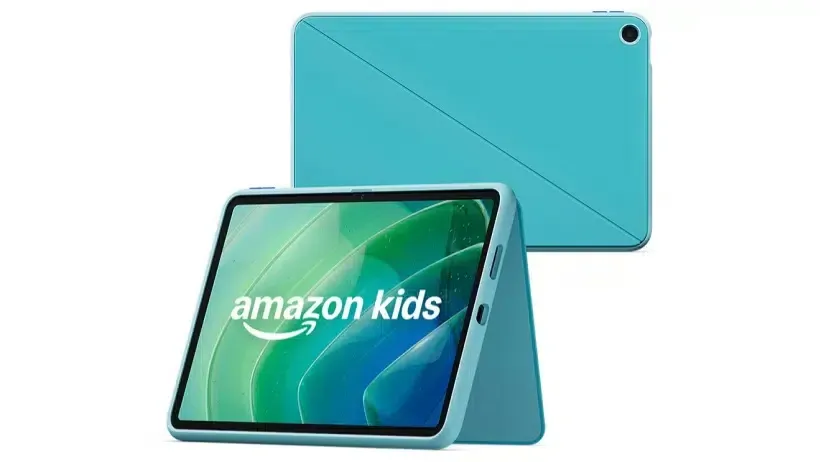
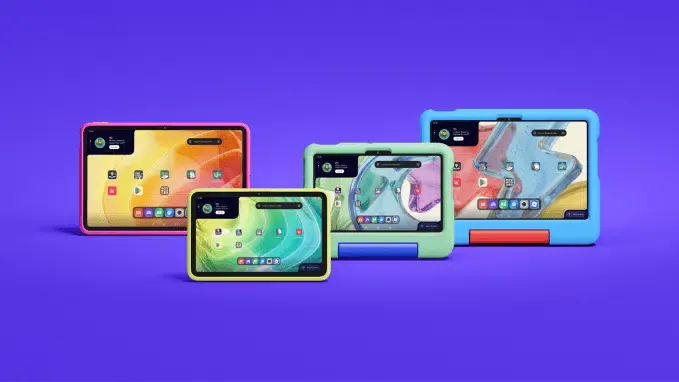
As illustrated by the matrix, teams supporting the broader Amazon ecosystem must maintain dual operational strategies. While new hardware leverages standard Google Play pipelines, existing Fire OS tablets still depend on custom Amazon SDKs, such as Amazon In-App Purchasing and device messaging. Furthermore, developers distributing family-oriented content through the curated Amazon Kids Tablets service must adhere to specialized submission guidelines, as Amazon Kids+ maintains parental-control filters and dedicated discovery layers.
Developer Checklist for the New Alexa Tablets
To prepare application architectures for the launch of the Alexa Tablet family, technical teams should execute a phased readiness plan spanning build configuration, store ingestion, and runtime telemetry.
Engineering & Implementation Actions
- Consolidate Google Play Artifacts: Evaluate reusing existing Google Play Android App Bundles (AAB) for standard Alexa Tablet distribution, testing resource configurations across different hardware profiles.
- Validate Google Play Install Referrer Support: Integrate the supported Google Play Install Referrer Client Library and verify that the application can retrieve available referrer data after an eligible Google Play installation. Test the behavior on actual Alexa Tablet hardware, and treat missing or incomplete referral metadata as an attribution edge case rather than assuming that every installation will contain campaign parameters.
- Adapt Multi-Window and Screen Form Factors: Test adaptive tablet layouts across the Alexa Tablet 8, Alexa Tablet 11, and Alexa Tablet 12 Pro, accounting for different display sizes and aspect ratios, including the 12 Pro’s 3:2 layout and the 11-inch model’s 16:10 geometry.
- Preserve Fire OS Legacy Builds: Maintain active Amazon Appstore build variants if your product retains substantial active user bases on legacy Fire tablets, ensuring continued compliance with the Amazon Fire Tablet FAQ.
- Verify Kids+ Submission Exceptions: Check whether specific applications participate in Amazon Kids+ bundles, ensuring separate asset submission and parental dashboard compliance where required.
Growth & Measurement Actions
- Separate Store Reporting from Marketing Attribution: Review sales, payments, and available app performance reports for standard Alexa Tablet apps in Google Play Console, as directed by Amazon. Maintain separate attribution instrumentation for campaign-level measurement, including eligible Play Install Referrer data and any independently implemented conversion events. Do not assume that Google Play Console reports provide complete campaign attribution or deferred deep-link outcomes.
- Test End-to-End Deferred Deep Links: Validate that incoming campaign links correctly navigate first-time users through the Play Store installation sequence and restore target deep-link views upon initial app opening.
- Segment Tablet Telemetry: Separate conversion analytics between legacy Amazon Appstore installations and new Google Play tablet activations to detect channel-specific conversion drops.
Frequently Asked Questions (FAQ)
Do existing Fire tablets get access to the Google Play Store?
Can developers retire their dedicated Amazon Appstore APK builds?
How does Google Play support affect app install attribution on new Amazon tablets?
Key Takeaways for Engineering Teams
Amazon’s shift to certified Android and Google Play distribution represents a pragmatic retreat from proprietary operating system silos. By aligning its tablet hardware with standard Google Mobile Services, Amazon removes substantial development hurdles that previously limited its catalog to a fraction of the broader Android library.
For software organizations, this milestone provides an opportunity to streamline deployment pipelines through the Google Play Console. However, achieving reliable attribution and consistent user journeys requires disciplined engineering. Development teams must systematically verify Install Referrer behavior, maintain legacy support where required, and validate deep-link routing before treating the updated tablet platform as fully unified.
References
-
Amazon Devices & Services Newsroom: Introducing the All-New Amazon Alexa Tablets
-
Reuters: Amazon Launches First Android Tablets, Raising Prices and Incorporating Alexa
-
Engadget: Amazon’s New Alexa Tablets Will Have Full Access to Google Play
-
TechCrunch: Amazon Unveils New Alexa Tablets with Alexa+ and Google Play Store Access
Share this article