How to Track Offline Print Ad ROI Using Custom QR Codes for Business
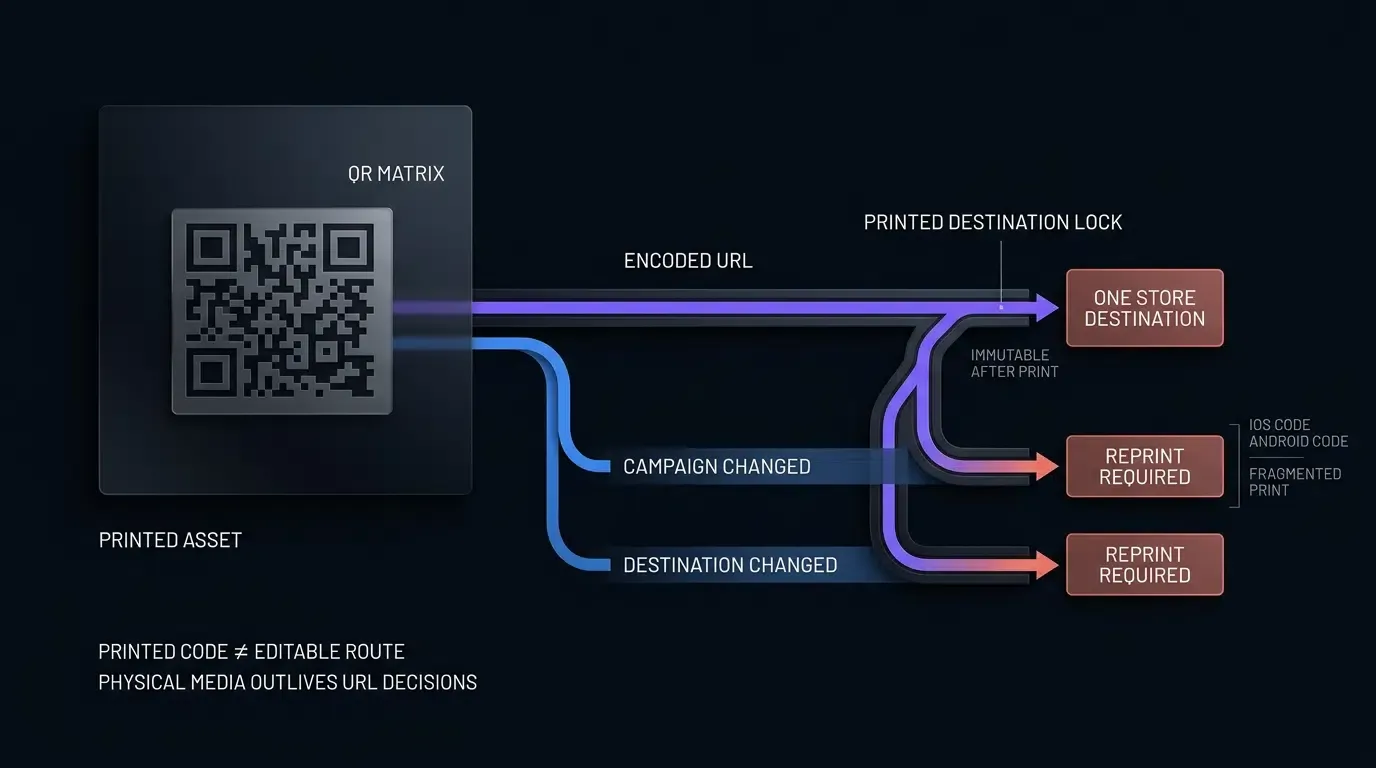
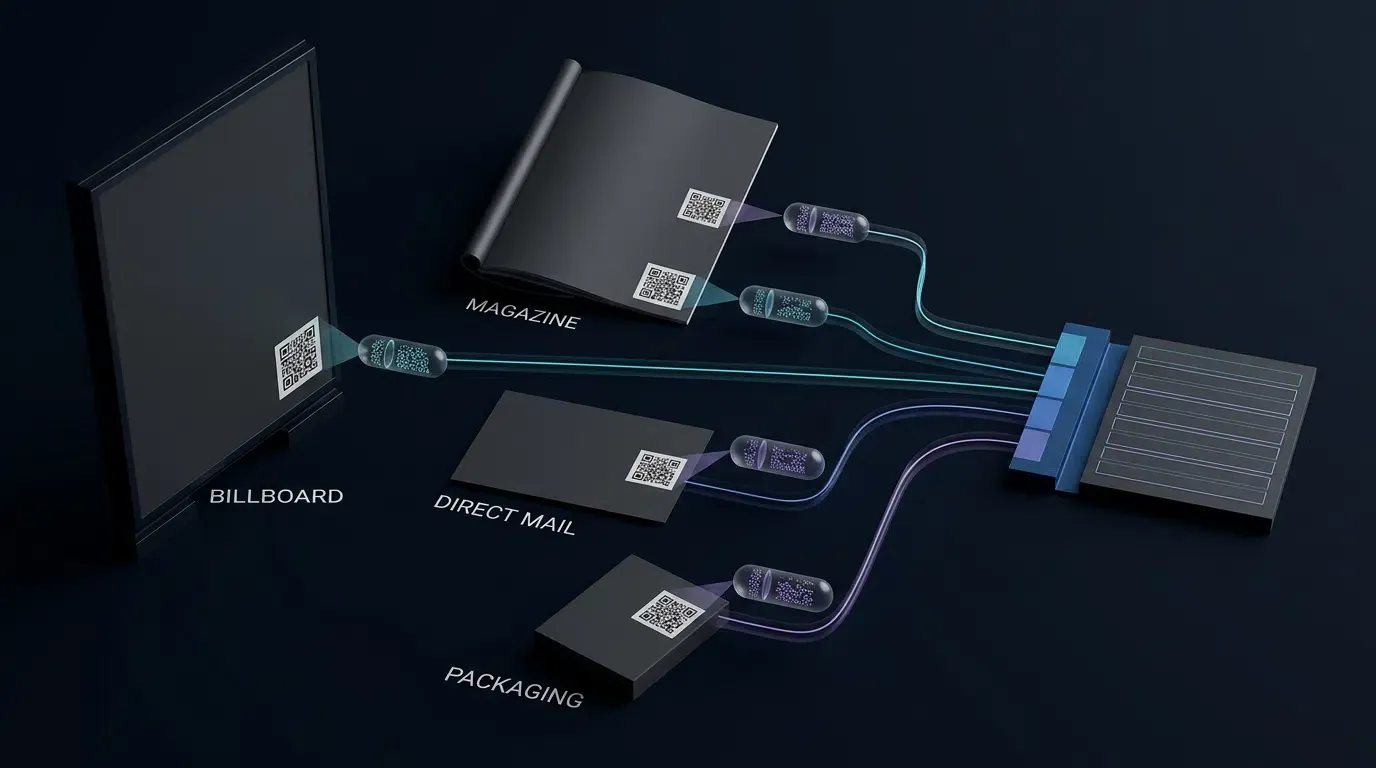
Learn how to use custom QR codes for business to track offline print ad ROI, segment physical media placements, and reconcile eCPI and ROAS accurately.

Learn how to use custom QR codes for business to track offline print ad ROI, segment physical media placements, and reconcile eCPI and ROAS accurately.

Learn how custom QR codes optimize app scan-to-install conversion through high-contrast visual framing, action prompts, and robust attribution tracking.

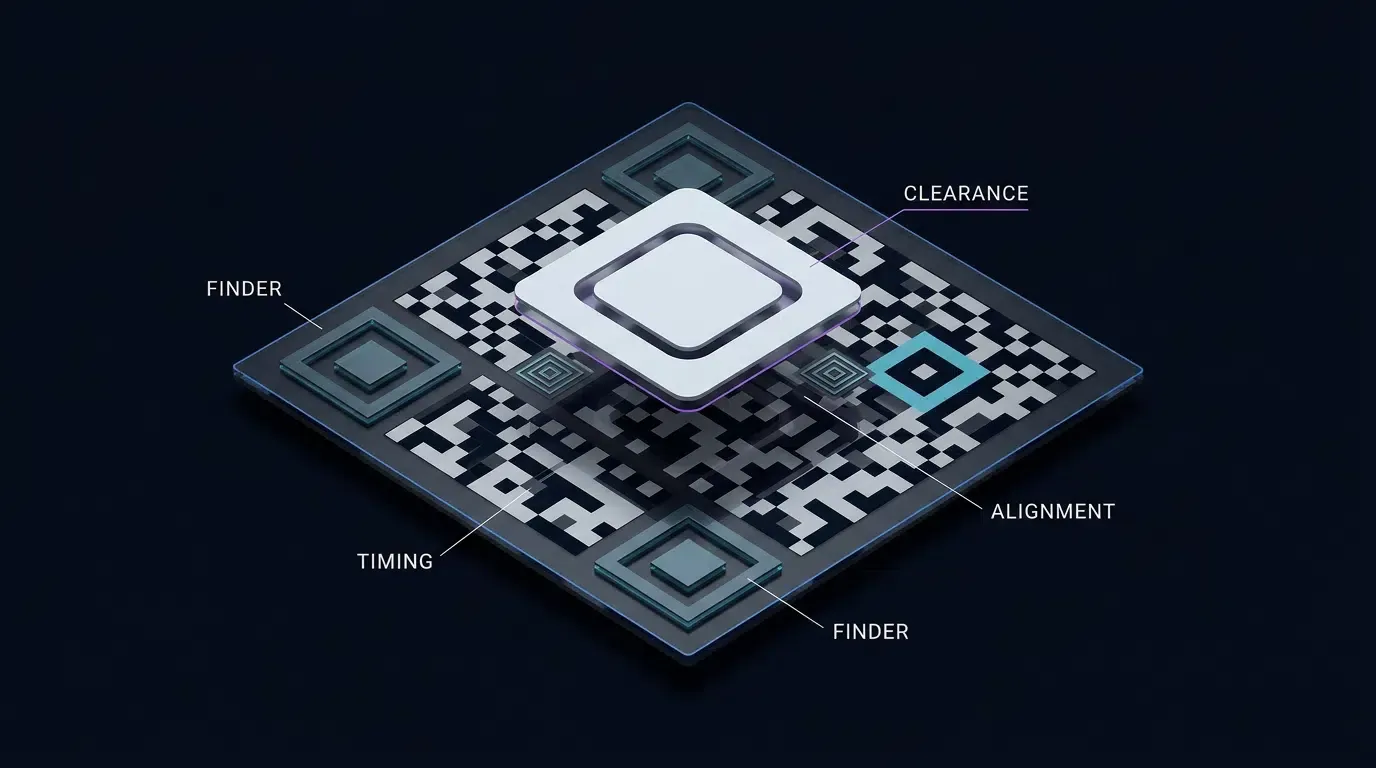
Learn how to use a QR code generator with logo capabilities to create branded app download codes using Level H error correction and HTML5 Canvas compositing.

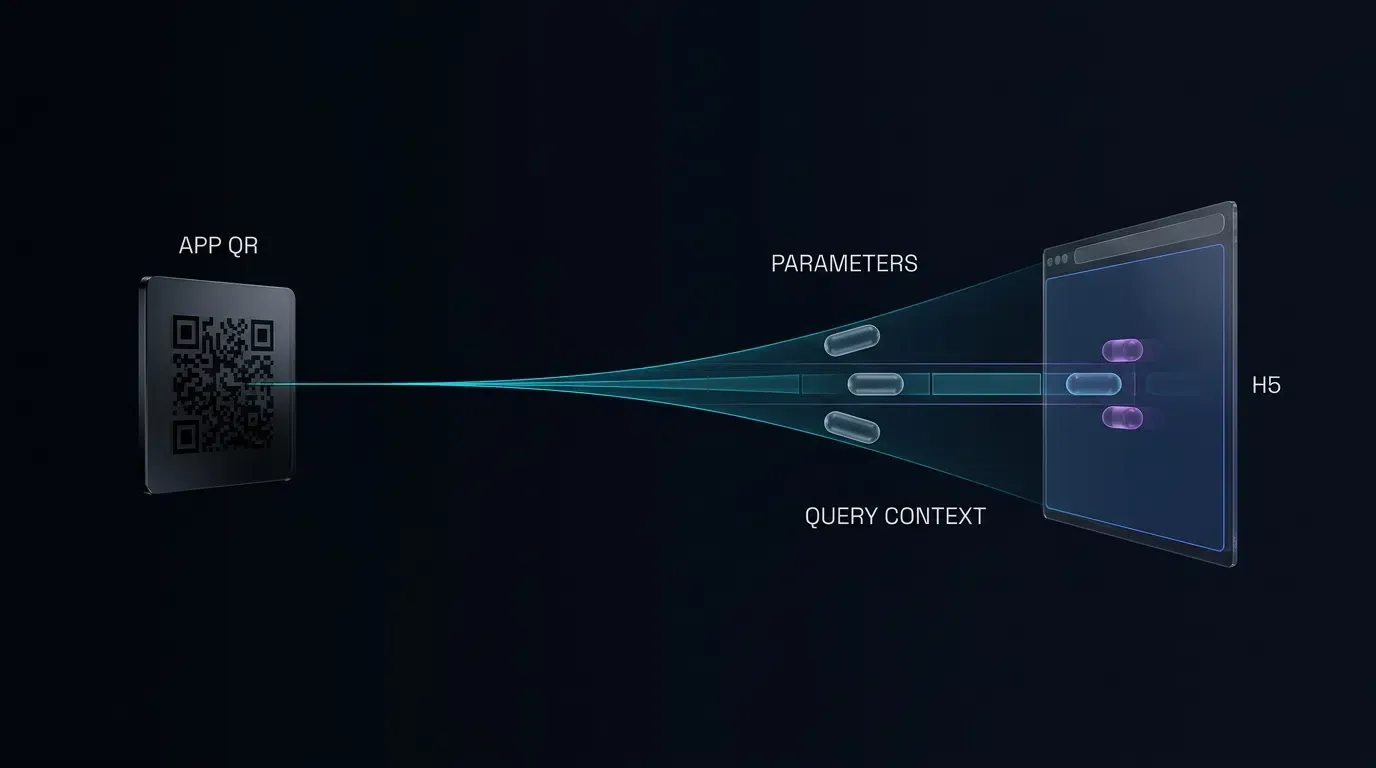
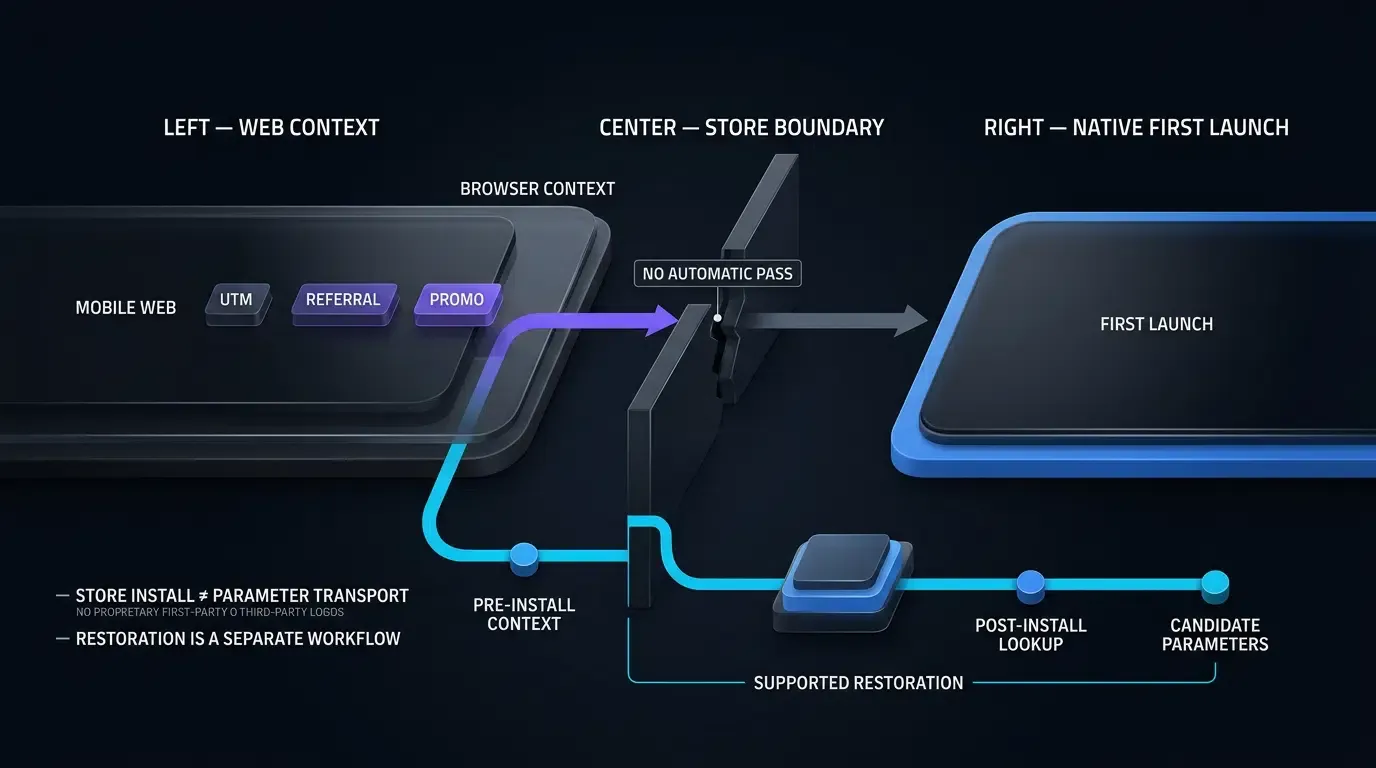
Learn how to create a parameter-embedded app QR code using URL query strings to pass custom attribution data to mobile apps on first launch with OpoInstall.

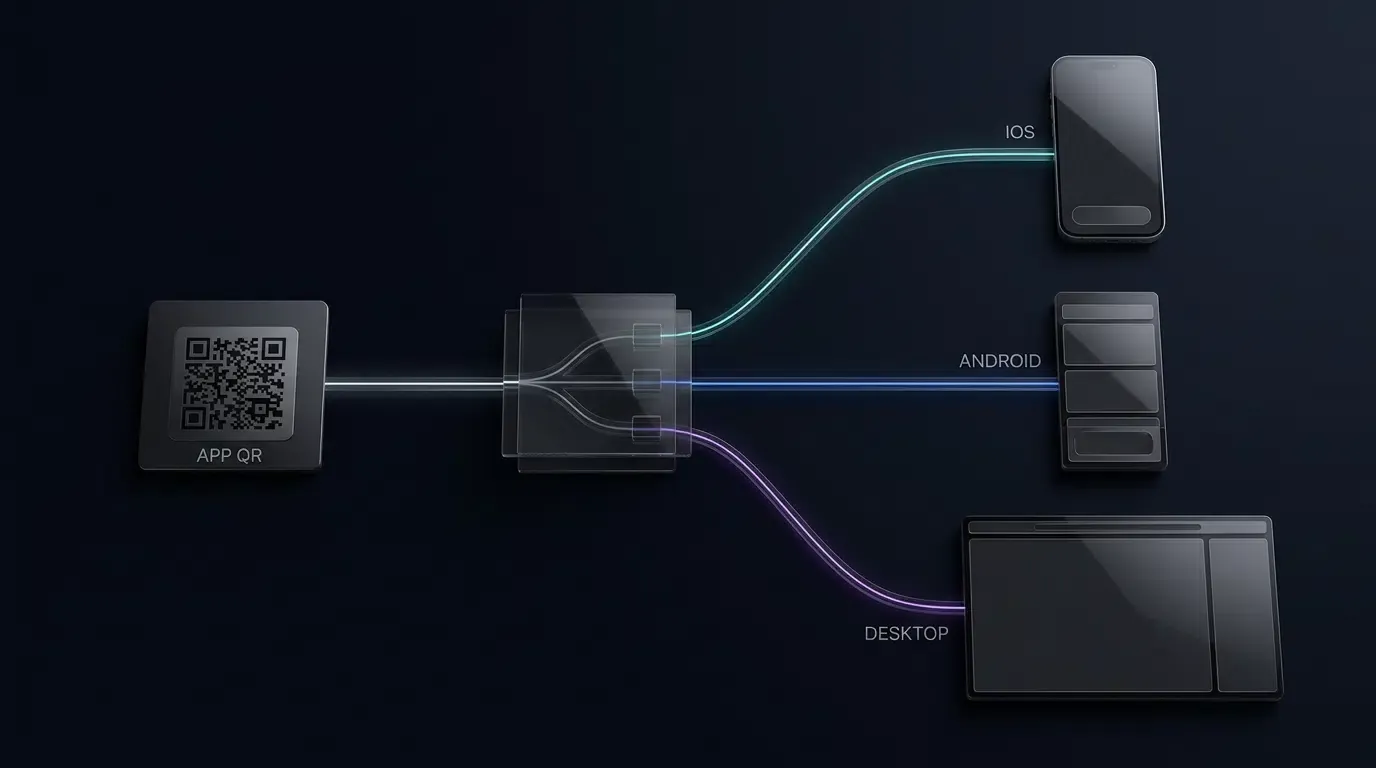
Learn how to create a universal App QR Code to route iOS and Android users to their app stores automatically using dynamic User-Agent detection and deep links.

Learn how to deploy QR code tracking to measure offline app installs. Generate dynamic QR codes, route iOS and Android users, and capture campaign attribution.

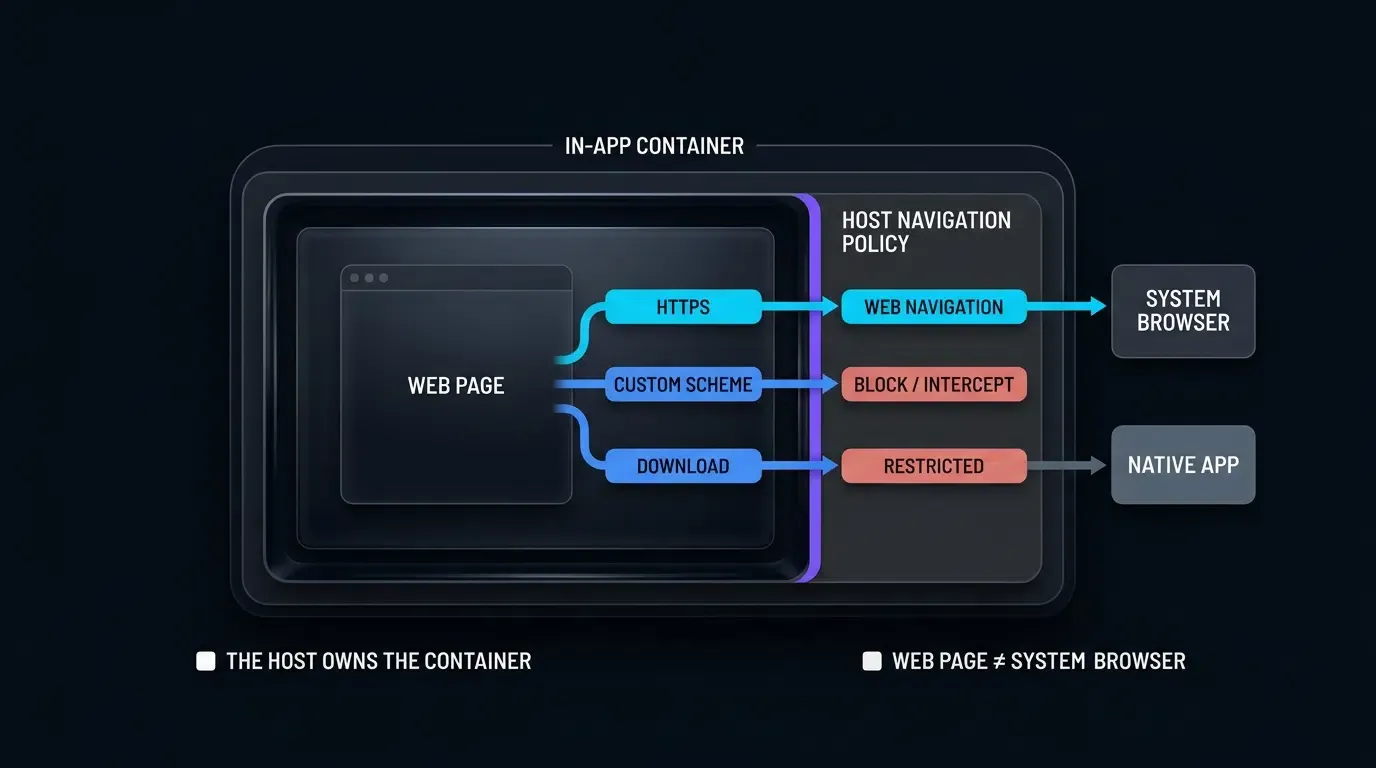
Learn how to navigate WeChat in-app browser blocking in web to app redirections using container detection, Universal Links on iOS, and Android Intent handoffs.

Learn how to pass tracking parameters from mobile web clicks to app installs using OpoInstall SDKs, deferred parameter restoration, and Android/iOS examples.

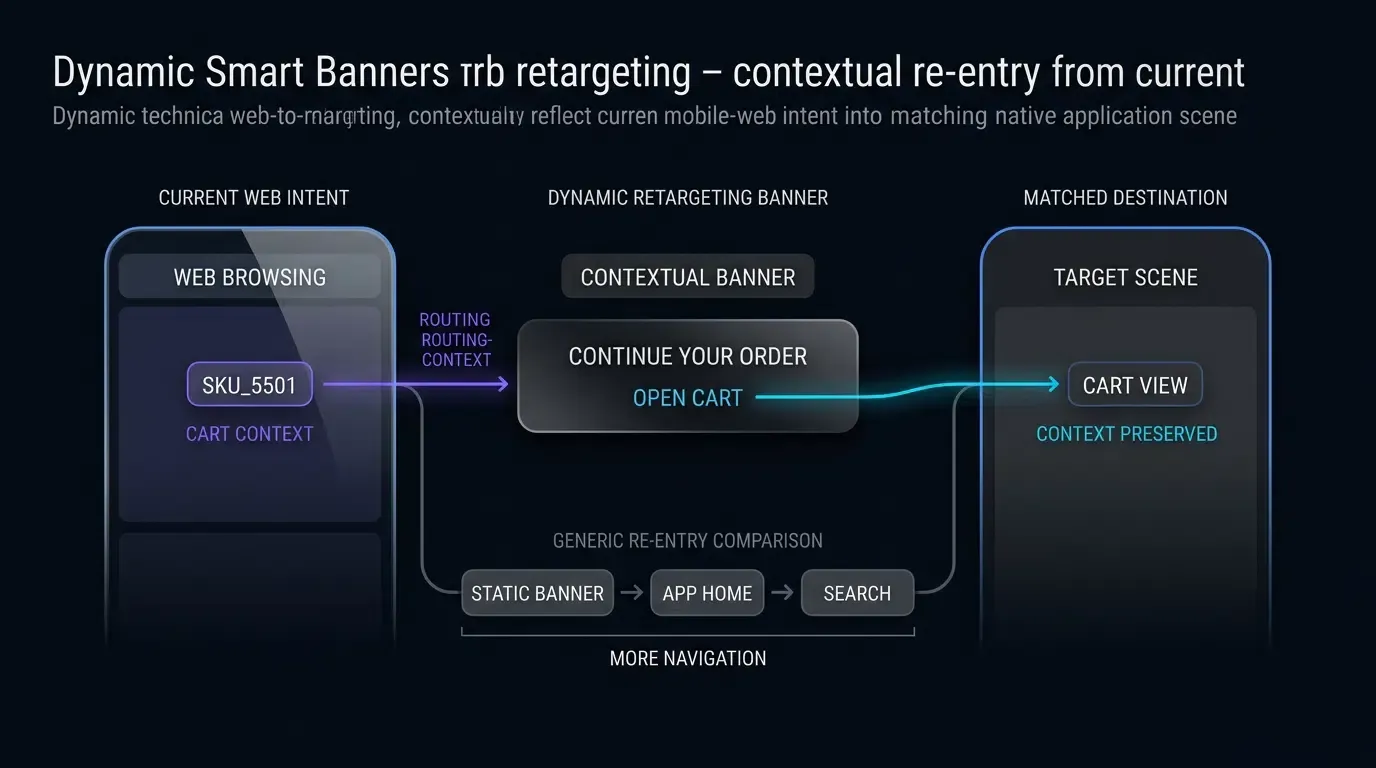
Learn how to retarget mobile web visitors using dynamic Smart App Banners, capturing first-party context to route users to in-app scenes and boost engagement.

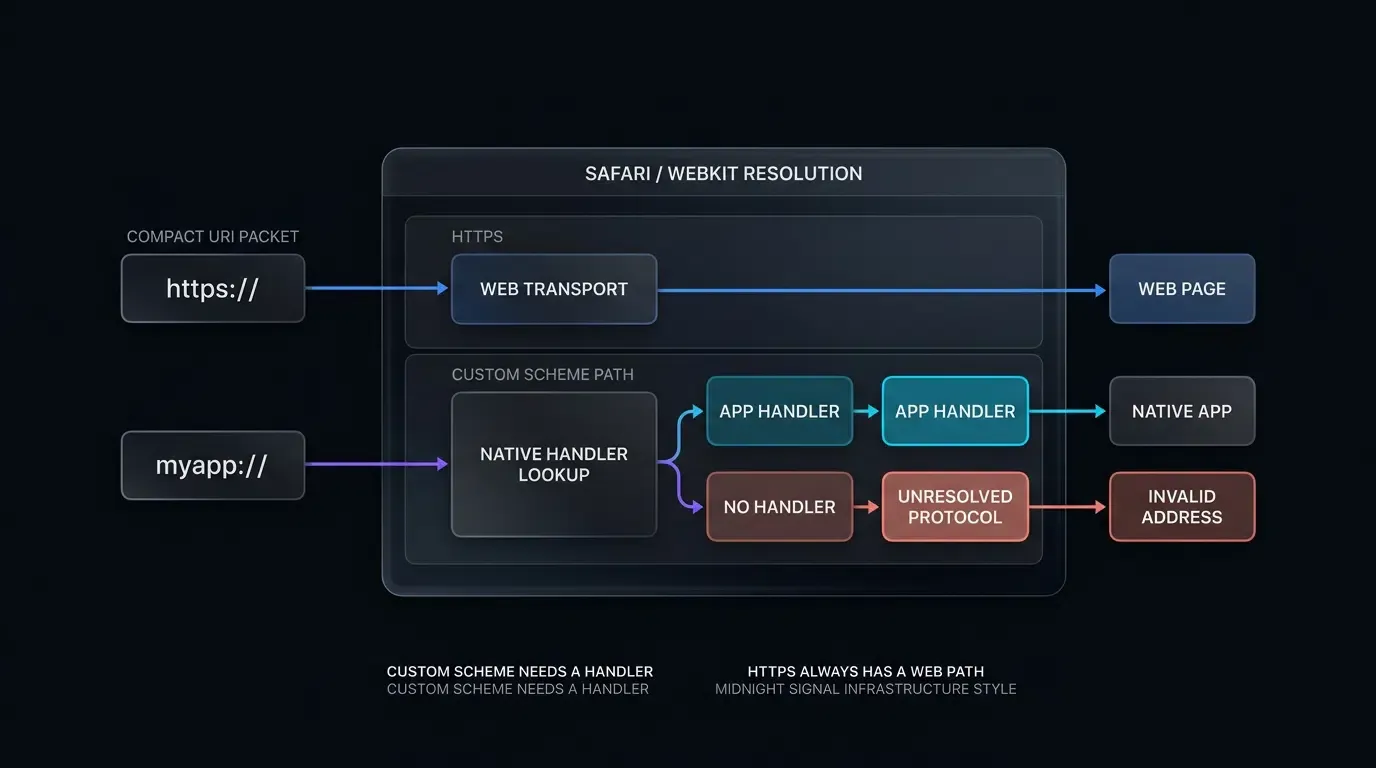
Learn why Safari displays the invalid address error on custom schemes and how to resolve it using verified Universal Links and resilient web fallbacks.

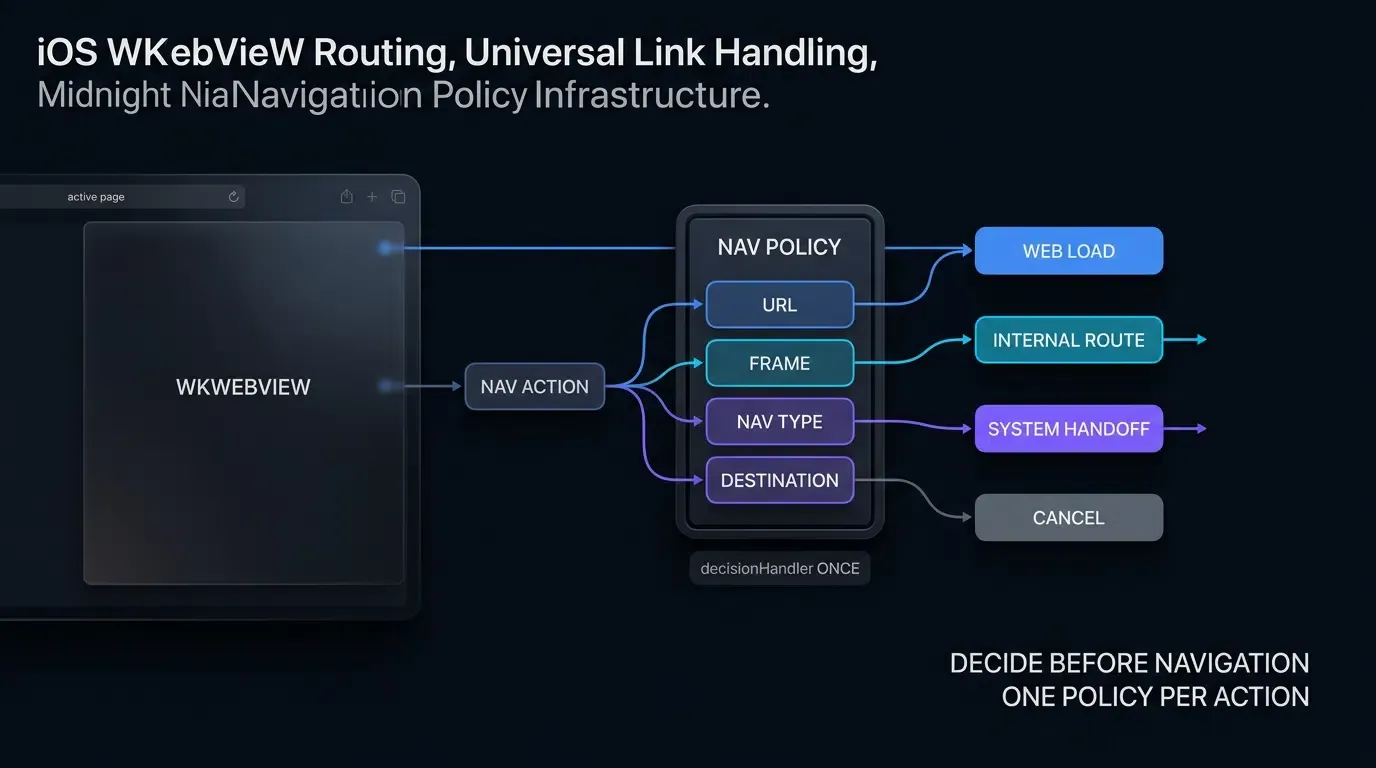
Learn how to configure WKWebView navigation routing in iOS with WKNavigationDelegate, handling Universal Links, custom schemes, and frame security safely.

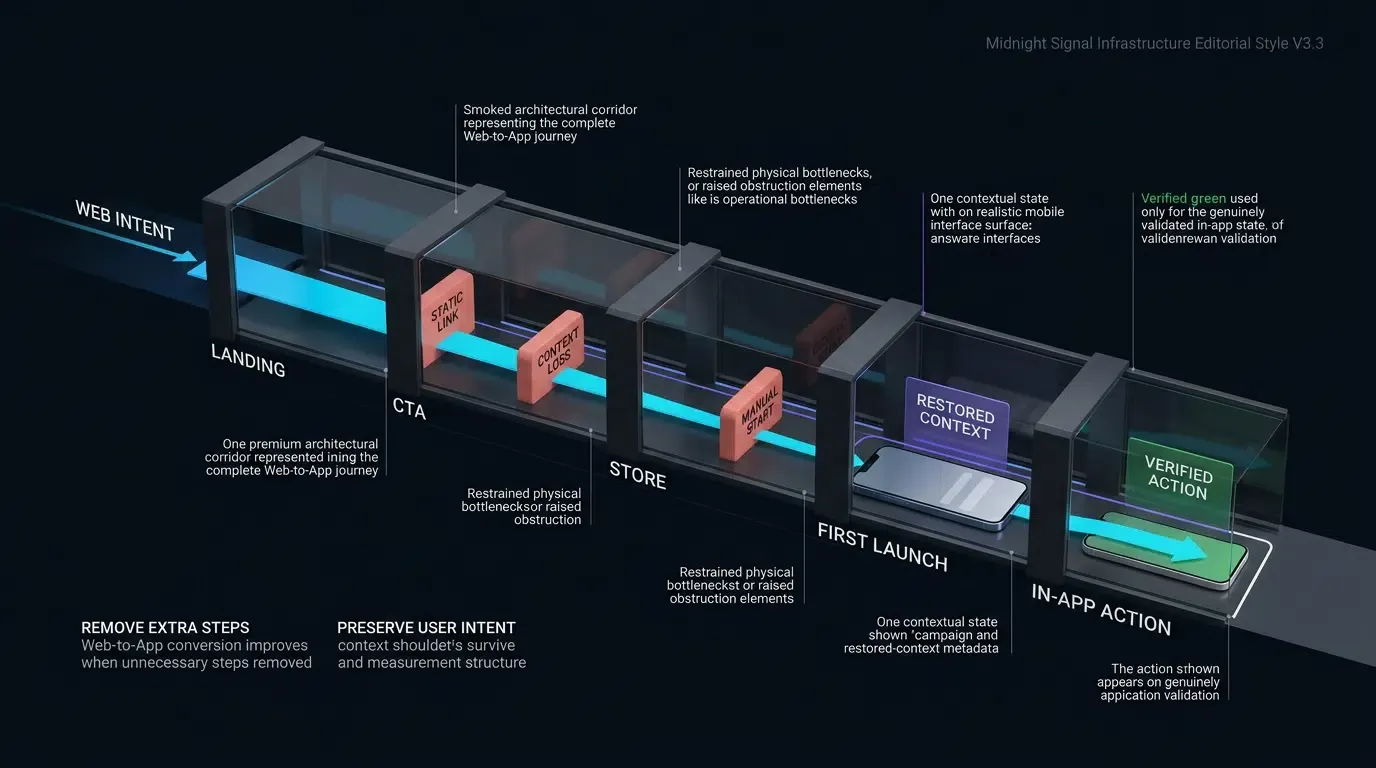
Learn how to optimize the 5-stage Web to App conversion funnel, replacing manual promo codes with automated parameter restoration to reduce onboarding drop-off.