Mozilla Says Apple Blocks Real Firefox on iPhone? Mozilla argues that Apple’s alternative-browser-engine conditions still make a Gecko-powered Firefox impractical on iPhone, despite regional openings in the European Union and Japan. In a November 20, 2026 policy statement, Mozilla said it cannot simply replace WebKit in its existing Firefox iOS app through a standard update and would instead need to release a separate app, creating substantial user-migration friction. Apple permits approved alternative engines under specific regional entitlements, but Mozilla reports that no non-WebKit iOS browser had launched through either framework as of that date.
Chronological Timeline and Policy Background for a Real Firefox on iPhone
At a Glance
- Mozilla’s November 20, 2026 statement argues that Apple’s rules would force it to release a separate app rather than update the existing Firefox iOS app off WebKit, turning the opening into what Mozilla describes as a “trap door.”
- Apple’s developer policies permit alternative browser engines under regional eligibility rules—starting with iOS 17.4 and iPadOS 18 in the European Union and iOS 26.2 in Japan—while keeping WebKit required in regions without those frameworks.
- Although daily Firefox usage on iOS has doubled since the EU introduced DMA browser choice screens in 2024, Mozilla reports that as of November 20, 2026, no developer has shipped a non-WebKit iOS browser under those regional rules.
The dispute centers on the rendering engine beneath the browser rather than App Store availability itself. Firefox is already distributed globally on iPhone and iPad, but it runs on Apple’s WebKit engine rather than Mozilla’s Gecko engine used on desktop and Android. When Mozilla refers to a “real” Firefox on iPhone, it refers specifically to a Gecko-powered release capable of delivering cross-platform feature parity, including extension capabilities and web-platform behavior available on other operating systems.
Following the EU’s Digital Markets Act in 2024, Apple introduced regional rules allowing eligible developers in the EU to ship browsers using alternative engines, and later outlined a comparable opening in Changes to iOS in Japan. According to Mozilla’s announcement, daily iOS Firefox usage doubled after Europe rolled out browser choice screens (though Mozilla did not disclose absolute user counts). Still, Mozilla reported that nearly three years of behind-the-scenes work to make Apple’s compliance model viable had largely failed.
Technical Deep Dive: Why Mozilla Says Firefox Cannot Simply Drop WebKit
In its November 20 statement, Mozilla said Apple’s current alternative-browser-engine conditions prevent it from replacing WebKit with Gecko through a normal update to the existing Firefox iOS app. Apple publicly documents regional entitlement eligibility, distribution restrictions, and security requirements in its EU and Japan developer guides and com.apple.developer.web-browser-engine.host specification, though those cited public documents do not independently establish a universal prohibition on every existing browser app changing engines in place.
From Mozilla’s perspective, however, the practical constraint is clear: "We'd have to build a whole separate app, a second Firefox."
According to Mozilla, this separate-app constraint creates difficult migration steps for existing Firefox iOS users, including those who selected Firefox through Europe’s DMA browser choice screen:
- Mozilla says users would need to find and download a separate second Firefox application instead of receiving an in-place update.
- Mozilla says users would be asked to transfer bookmarks, saved passwords, and browsing history, then manually switch to the new Firefox app and re-establish their default browser choice.
- Mozilla argues that many users would abandon that transition rather than set up a second browser from scratch.
Entitlement Isolation and Undisclosed Constraints
Apple’s published developer guidelines also impose strict functional, privacy, and multi-process isolation conditions before granting the host entitlement. Qualifying EU apps must pass at least 90% of Web Platform Tests and 80% of Test262 (even without JIT compilation), isolate subsystems across dedicated extensions (host, networking, rendering, and web-content execution), block third-party cross-site cookies by default, partition website storage per top-level site, avoid syncing state with other apps without explicit user permission, and maintain rapid security patching. Apple frames these requirements around the sensitive data browsers handle and their exposure to untrusted web content.
Mozilla separately noted in its November 20 post that confidentiality obligations prevent it from publicly discussing other parts of its iOS engine effort. Its statement therefore highlights the separate-app migration barrier as the core public obstacle rather than an exhaustive list of every technical or contractual issue encountered.
Regional Browser Engine Matrix and Developer Ecosystem Impact
Apple’s EU and Japan policies—alongside Changes to iOS in Japan—tie alternative-engine entitlements to specific geographic distribution territories and minimum OS versions, creating fragmented regional rules alongside global WebKit requirements.
| Policy Dimension | European Union (DMA) | Japan | Regions Outside the EU and Japan |
|---|---|---|---|
| Minimum OS Requirement | iOS 17.4+ / iPadOS 18+ | iOS 26.2+ | All iOS / iPadOS versions |
| Alternative Engines Permitted | Yes (with Apple entitlement approval) | Yes (with Apple entitlement approval) | No (WebKit required) |
| Existing App Update / Migration | Mozilla reports no in-place migration path for its existing Firefox app | Mozilla reports a comparable migration obstacle | Alternative-engine entitlement unavailable under the cited regional frameworks |
| Distribution Scope | EU distribution, subject to the applicable browser-engine and distribution entitlements | Japan distribution, subject to the applicable browser-engine and distribution entitlements | Global App Store |
| Non-WebKit Browsers Launched | According to Mozilla, none launched as of Nov 20, 2026 | According to Mozilla, none launched as of Nov 20, 2026 | None |
For mobile web and native app developers, the lack of a shipped Gecko-powered Firefox on iPhone carries practical engineering and QA implications:
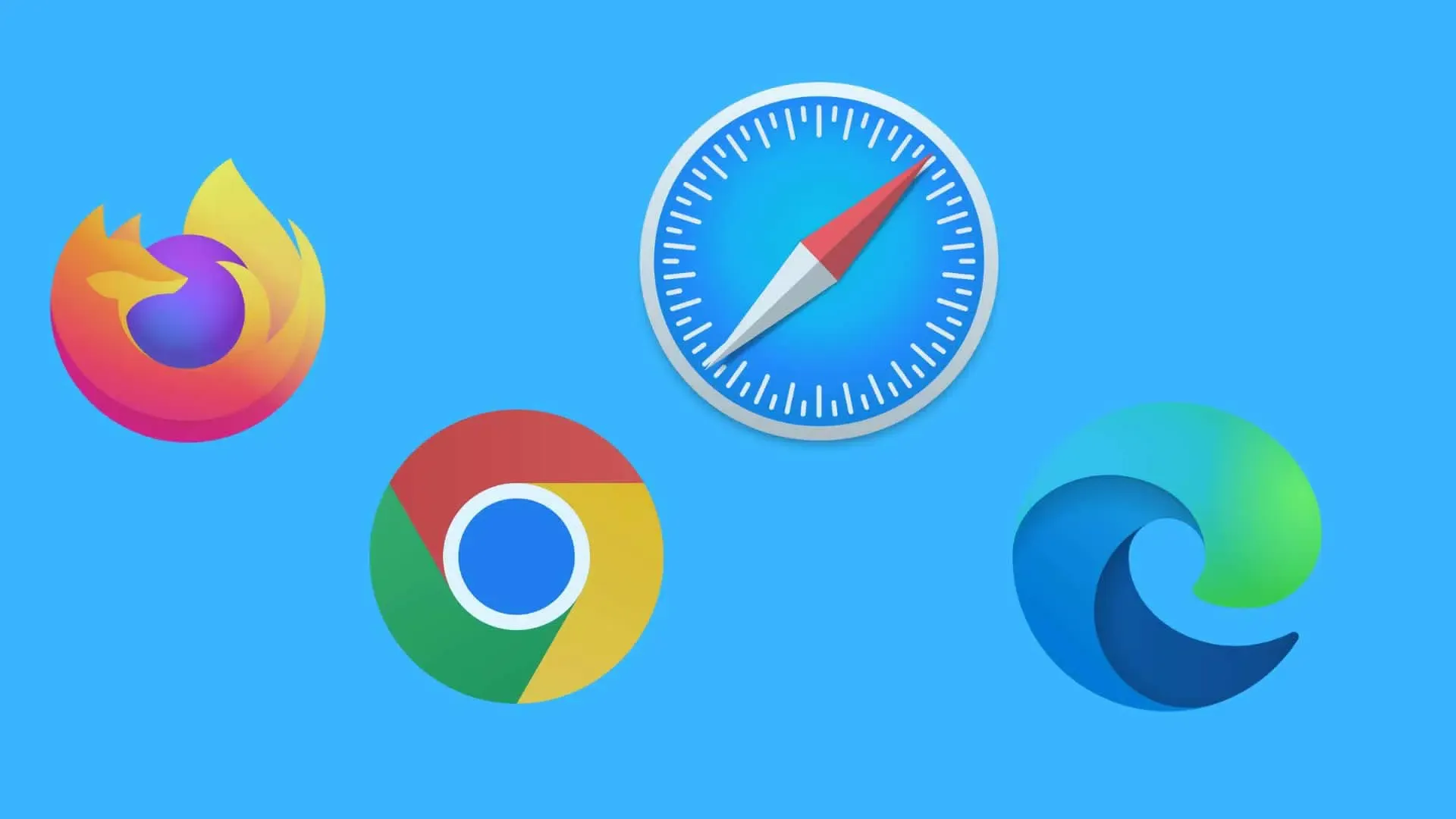
- WebKit Remains the Practical Testing Baseline: As of Mozilla’s November 20, 2026 statement, WebKit remains the practical baseline for publicly available iPhone browsers. Developers should test Safari, third-party iOS browsers (such as Firefox, Chrome, and Edge), and embedded web views separately—checking Universal Link invocation, fallback web redirects, cookie partitioning, and in-app browsing behavior independently across each context. Browser-engine choice does not by itself determine whether an iOS Universal Link opens a native app; developers must test link handling in each browser and in-app browsing context separately.
- Cross-Engine Parity Remains Deferred on iOS: Extension ecosystems, JavaScript/rendering differences, and Gecko-specific capabilities found on desktop and Android versions of Firefox remain absent from publicly available iOS third-party browsers as of Mozilla’s statement.
- Regional Distribution Fragmentation: For browser vendors, regional OS minimums (iOS 17.4+ in the EU versus iOS 26.2+ in Japan) and entitlement-scoped distribution require maintaining separate regional configurations rather than a single global engine rollout.
Web-to-App Testing Considerations for Mobile Growth Teams
For mobile growth teams, browser-engine policy and post-install parameter delivery remain separate engineering concerns. Developers should test Universal Links, in-app browsers, installation landing pages, and first-launch behavior in the environments their users actually encounter.
For example, OpoInstall provides an installation parameter pass-through framework for supported Web-to-App workflows, allowing configured promotional or referral parameters to be retrieved after an app installation. Such a framework can help developers manage supported installation-entry scenarios, but it does not change iOS browser-engine rules, enable Gecko on iPhone, or guarantee identical behavior across every browser context.
The practical approach is to validate browser navigation and post-install parameter delivery independently rather than assuming one layer controls the other.
Frequently Asked Questions (FAQ)
Does Firefox already run on iPhone, and why does Mozilla say it isn't the real Firefox?
Why can't Mozilla just update the existing Firefox iOS app to use Gecko?
Which countries currently allow non-WebKit browsers on iOS, and have any launched?
Does this dispute change how mobile websites or Web-to-App links render on iPhone today?
Practical Implications and Future Outlook
Nearly three years after regulatory mandates prompted Apple to publish alternative browser engine rules, the gap between nominal policy availability and live non-WebKit browsers shows how entitlement and migration conditions shape real-world platform openness. Until a workable migration path emerges for existing browser apps—or other browser makers clear Apple’s regional requirements—WebKit remains the practical baseline for publicly available iPhone browsers, and development teams should validate browser rendering, embedded web views, and native link routing as separate layers.
References
-
Mozilla Blog. Why there are still no non-WebKit browsers on iOS. Official statement detailing Mozilla’s separate-app migration obstacle, user-data transfer friction, and confidentiality limits (Nov 20, 2026).
-
Apple Developer. Using alternative browser engines in the European Union. Official specification covering EU distribution rules, iOS 17.4 / iPadOS 18 minimums, embedded vs. host entitlements, and security obligations.
-
Apple Developer. Using alternative browser engines in Japan. Official specification covering Japan distribution rules and iOS 26.2+ requirements.
-
Apple Developer. Changes to iOS in Japan. Official Apple Developer overview covering alternative app marketplaces and browser engines in Japan.
-
Apple Developer Documentation. Web Browser Engine Entitlement (
com.apple.developer.web-browser-engine.host). Official entitlement documentation detailing host eligibility and process isolation. -
The Mac Observer. 15 Months Later: iPhone Users Still Can’t Choose a Real Browser. Background reporting on earlier EU alternative-engine adoption barriers.
-
OpoInstall Documentation. OpoInstall Official Technical Documentation. Reference specification for installation parameter pass-through frameworks.
Share this article