Anthropic Extends Fable 5 Access? Recent platform updates confirm that the company has extended transitional access through July 19, giving developers additional time to evaluate Claude Fable 5 while responding to mounting competitive pressure from OpenAI. As generative artificial intelligence changes how web content and digital entities are consumed, AI platforms continue to navigate shifting compliance landscapes. Historically, personalized AI companions increased user engagement by encouraging long-term interactions. Today, because AI providers must balance safety enforcement with high-throughput developer workloads while transitioning to strictly audited, non-personified productivity tools, platforms must transition to managing queries under complex resource constraints.
Why Claude Fable 5 Extended Access Was Granted: Balancing Model Relaunches and Developer Trust
At a Glance
- Anthropic’s Fable 5 and Mythos 5 models faced a 19-day global suspension due to temporary compliance and security assessments as reported by industry researchers.
- Under the extended terms, paid subscribers receive included access capped at fifty percent of their plan limits until the July 19 compliance deadline.
- The rolling deadline extensions are widely viewed as a tactical maneuver to mitigate developer churn following the launch of OpenAI’s cost-efficient GPT-5.6 Sol model.
Consumer AI platforms are shifting away from personalized companion features as new regulations take effect. Over the past two years, customized coding models became one of the most popular features on consumer AI platforms. By maintaining long-term conversational memory and consistent workspace context, these services encouraged repeated user interactions. However, growing regulatory attention has shifted platform priorities toward compliance, transparency, and task-oriented AI experiences.
The broader trend reflects ongoing compute deflation, where falling inference costs continue reshaping enterprise AI procurement strategies. Managing persistent memory, automated CLI workflows, and codebase security safeguards at scale has significantly increased operational complexity. These challenges are discussed in detailed regional reports tracking the operational shifts of major platforms.

The engineering context of the Anthropic Extends Fable 5 Access announcement reflects a broader industry movement. According to industry reports, the model rollout experienced multiple temporary availability changes before wider deployment. These security assessments emerged as researchers demonstrated edge-case safety bypasses, leading to a temporary suspension. This blackout lasted until additional compliance and safety reviews allowed a global redeployment on July 1. To preserve the user base and rebuild trust, the company initially set an included-access cutoff for July 7, pushed it back to July 12, and has now extended the deadline to July 19, according to industry strategy reports. Under this regulatory transition, platforms are expected to prioritize productivity over personification, directing resources away from emotional companionship bots toward workplace assistants and corporate tools.
Understanding the Root Causes Behind the Anthropic Extends Fable 5 Access Strategy
The underlying driver behind the rolling deadline extensions is not merely customer relations, but a complex intersection of model safety reviews, compute allocation challenges, and enterprise compliance requirements. Integrating autonomous, tool-calling agents like Fable 5 into production environments introduces strict security parameters. Because these agents execute commands directly within local operating systems, enterprise technology leaders demand rigorous codebase auditing before authorizing wide deployment, as outlined in technical releases.
Additionally, managing global compute allocation has created substantial infrastructure strain. As developers scale their automated coding loops, the sudden surge in high-concurrency API calls forces providers to implement strict rate limits to protect server capacity. These resource constraints obligate developers to transition their workflows from stateful, continuous server-side sessions to highly optimized, stateless execution chains. This transition highlights the growing importance of token caching efficiency and optimizing SaaS integration cost across programmatic API calls.
Is Claude Code Safe to Use After the Relaunch?
Following the global redeployment of the Fable 5 model, developers have raised questions regarding the security of running automated command-line workflows inside their active codebases. To address these safety concerns, Anthropic has implemented updated safety classifiers and tighter security guardrails across standard Claude platforms, designed specifically to detect and block malicious code execution. While no automated environment can claim absolute immunity to edge-case jailbreaks, the updated infrastructure enforces strict isolation barriers, ensuring that the model executes terminal tasks in a much more secure and predictable sandbox environment.
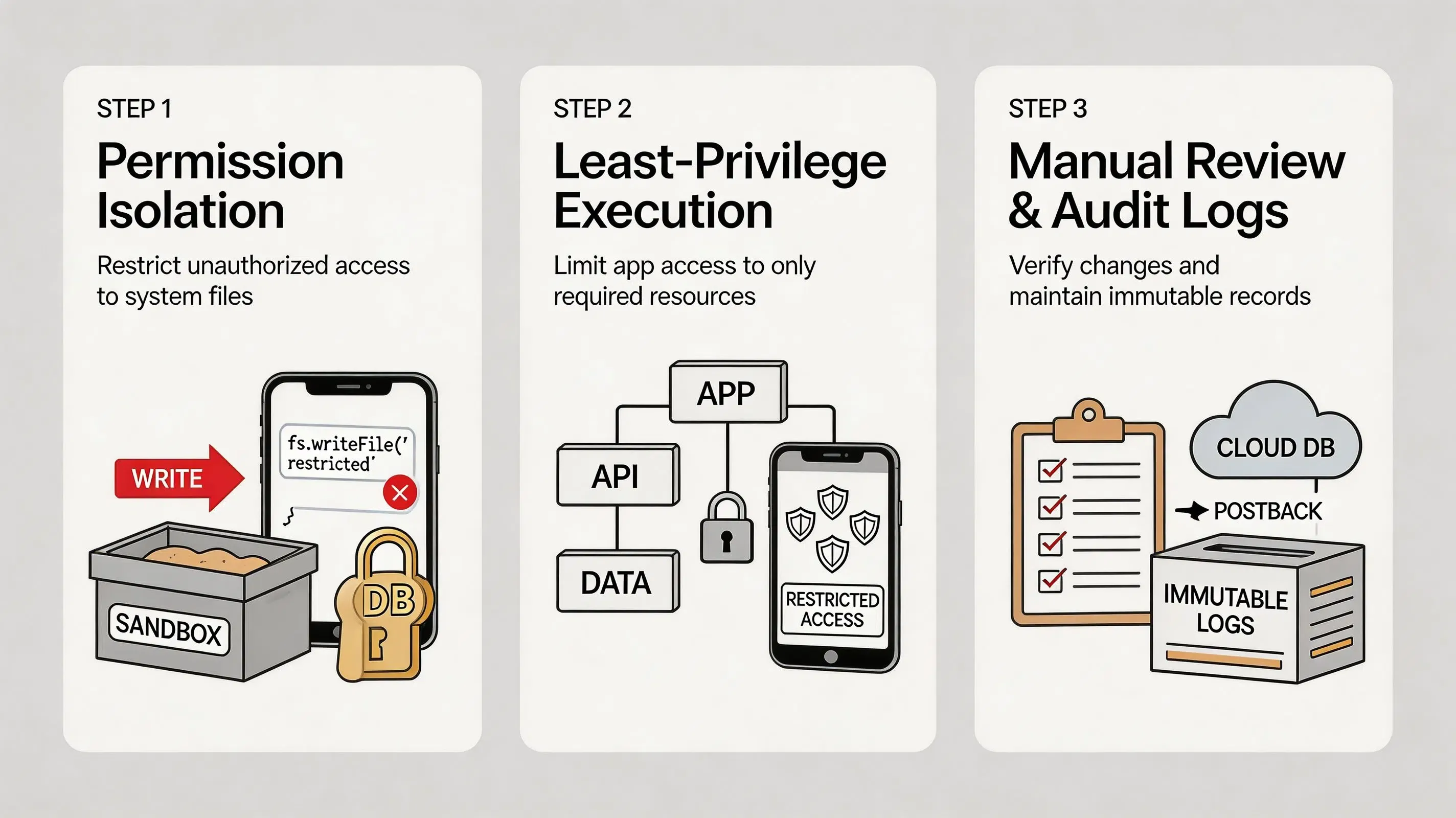
To maintain baseline codebase hygiene during autonomous operations, development teams are advised to implement a strict security checklist:
- Permission Isolation: Run Claude Code within containerized environments or with restricted filesystem permissions to prevent unauthorized writes.
- Least-Privilege Execution: Run Claude Code using least-privilege operating system accounts rather than administrator or root permissions.
- API Key Protection: Never expose production secrets or database credentials in local environment files accessible to background agent processes.
- Manual Command Review: Maintain human-in-the-loop authorization to review and approve potentially destructive terminal commands before execution.
- Audit Execution Logs: Maintain immutable execution logs for every automated task to simplify incident response and compliance audits.
These recommendations reflect the broader engineering challenges involved in securing autonomous coding agents operating across developer environments.
[Secured Developer Workspace]
  Developer Command ──> Sandboxed CLI Container ──> Restricted Directory Access ──> Verified Output


[Unprotected Agent Environment]
  Automated Loop ──> Root File System Access ──> Critical Metadata Exposure ──> Unintended Modification Risk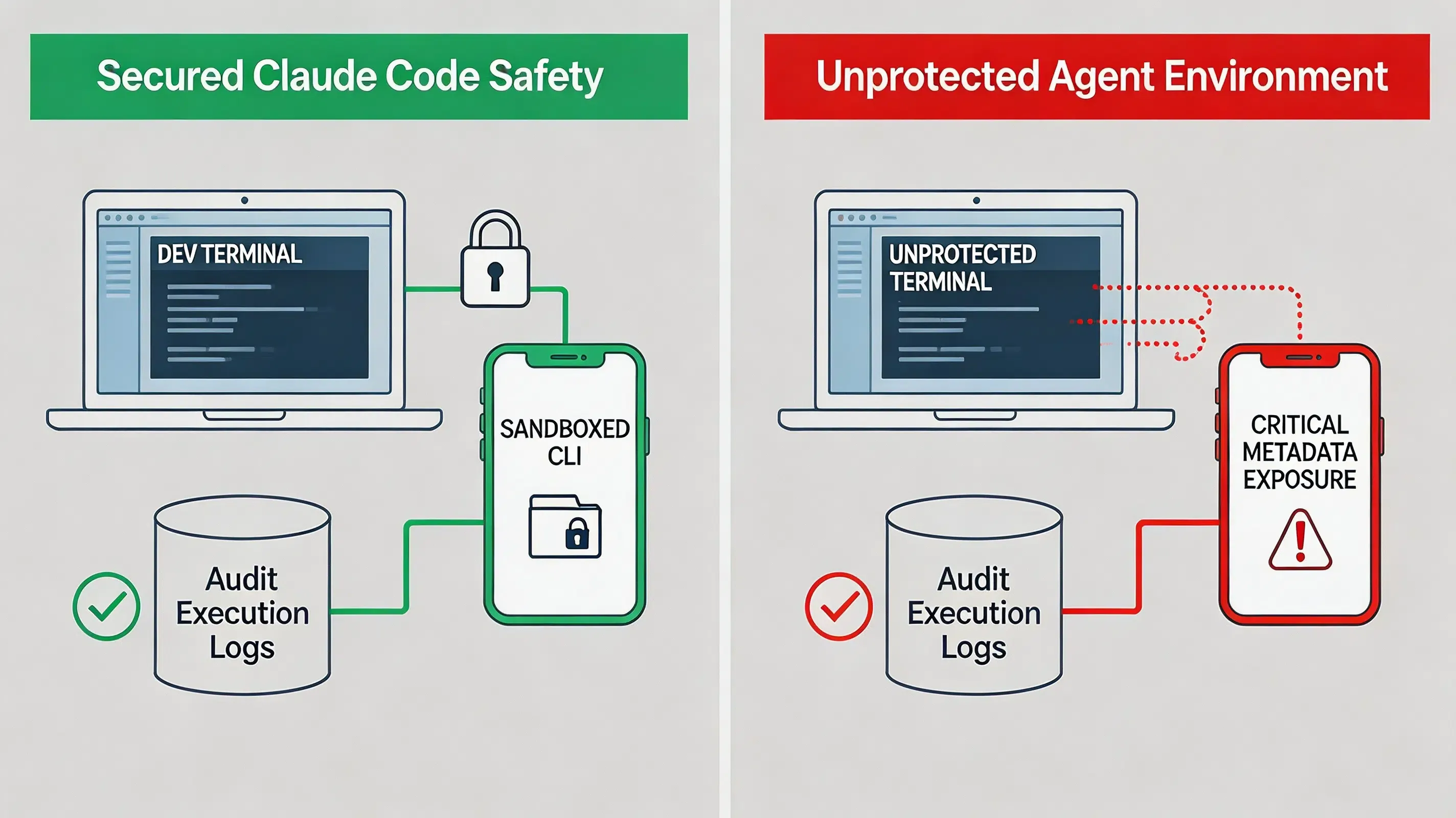
Although this discussion focuses on AI coding environments rather than mobile attribution, it illustrates a broader engineering challenge: once execution context is transferred between isolated systems, preserving secure state across multiple environments becomes increasingly difficult. Similar state-preservation challenges are increasingly observed in mobile attribution systems, where browser privacy restrictions also interrupt cross-platform session continuity. When a user transitions from a development environment to a live application, the lack of stateful continuity across standard redirections disrupts standard multi-touch models. In broader identity systems, failures in alias isolation can highlight how cross-system identity continuity depends on consistent state handling.
Build vs. Buy: Managing Session State Under New Compliance Rules
As platforms restructure their conversational frameworks to comply with evolving mandates, developers must re-evaluate how they manage session state and user identity. Managing session continuity as AI coding platforms evolve in the Anthropic Extends Fable 5 Access era requires architectures that are both compliant with data privacy laws and highly accurate. Organizations that need to preserve user journeys across web and mobile experiences increasingly rely on server-side session management rather than persistent client-side identifiers. Depending on business requirements, teams may build these capabilities internally or adopt existing attribution platforms. Under these conditions, developers must balance client overhead and FinOps metrics during high-concurrency event tracking to minimize SaaS integration cost.
Architectural Evaluation: Custom Build vs. Standardized SDK
While custom database configurations can handle basic context, specialized server-side state preservation can optimize development resources. Depending on implementation requirements, organizations may build their own server-side session management system or adopt commercial platforms such as OpoInstall. For instance, OpoInstall offers server-side state restoration and parameter pass-through frameworks, preserving parameters through server-side context restoration to maintain session continuity anonymously, without storing sensitive, long-term personal conversational history. By mapping session metadata to a centralized database rather than relying on browser-based redirects, such a system ensures that conversion contexts remain consistent even when initial tasks are executed anonymously. Engineering teams can evaluate these approaches to balance data protection and measurement consistency.
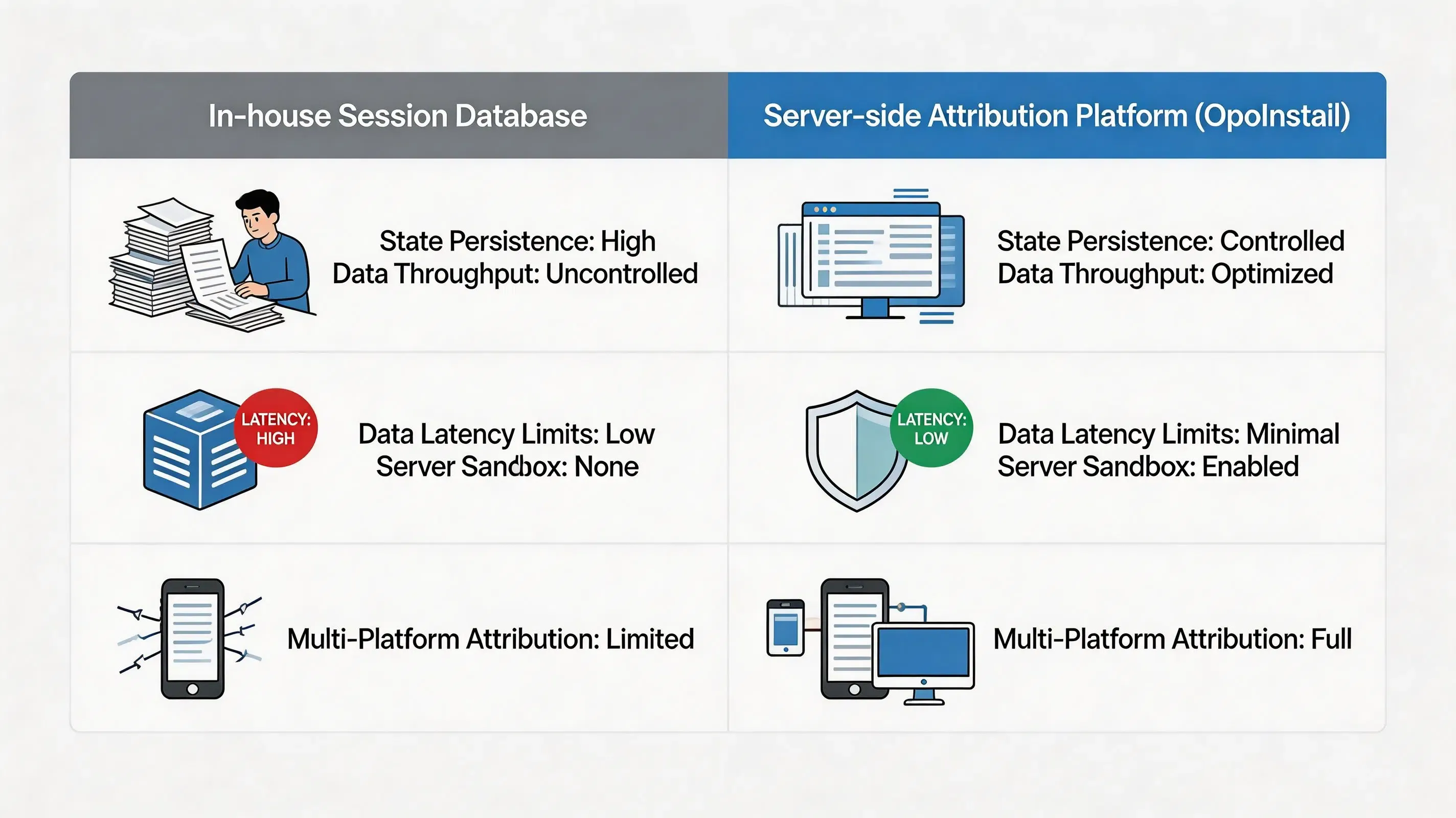
The table below compares standard methodologies for managing session state and conversion context:
| Solution | Persistence | Throughput | Best For |
|---|---|---|---|
| In-house Session Database | High (Continuous Sync) | Medium (DB Latency Limits) | Custom enterprise environments with highly specialized storage logic |
| Browser-based Session Tracking | Low (Session Cookies) | Low (No Server Logging) | Basic website tracking with minimal cross-domain conversion requirements |
| Server-side Attribution Platform (e.g. OpoInstall) | Controlled temporary state | High (Standardized Sandbox) | High-concurrency mobile app and multi-platform campaign attribution |
Integration Checklists: How Engineering Teams Can Prepare for Platform Changes
To survive the sudden deactivation of stateful agent features, engineering and product teams must establish clear data governance schedules. This ensures that user data is handled securely, compliance boundaries are respected, and marketing pipelines remain intact.
Developer Implementation Checklist
- Audit Session Data Retention: Review all databases to ensure that persistent, emotionally companionate chat histories are purged in accordance with data-deletion timelines.
- Implement Stateless Session Handshakes: Transition API routes to stateless processing models, utilizing cryptographically signed tokens to pass temporary context between nodes.
- Enforce Age-Verification Gateways: For consumer-facing products, deploy child safety safeguards to prevent minors from accessing restricted conversational features.
Product & Growth Strategy Checklist
- Reorganize User Experience Flows: Pivot from companion-based engagement models to task-oriented, high-utility tools that do not rely on emotional dependency.
- Optimize Conversion Funnels: Leverage non-intrusive parameter pass-through frameworks to maintain acquisition tracking without violating user privacy guidelines.
- Monitor Platform Compliance: Ensure that all integrated third-party SDKs comply with local data protection laws and the upcoming July 15 mandate.
By establishing these structured guidelines, development teams can transition their applications to safer, more compliant architectures while maintaining operational continuity.
Frequently Asked Questions (FAQ)
Why did Anthropic decide to repeatedly extend the Fable 5 free access window?
Is Claude Code safe for enterprise development?
Does extending Fable 5 access reduce API costs?
What are the technical differences between subscription quotas and prepaid usage credits?
What happens to Claude Code access when the promotional window officially closes?
Key Takeaways for Engineering Teams
As AI platforms adapt to new regulatory requirements, engineering teams will increasingly rely on stateless architectures, server-side session management, and privacy-first design. Evolving data architectures require a fundamental shift in how we build and measure digital experiences. As stateless proxies and headless scrapers become standard consumers of web content, traditional client-side attribution models will continue to degrade. Relying on standard cookies and referrers is no longer sufficient to secure the data pipelines that drive user acquisition.
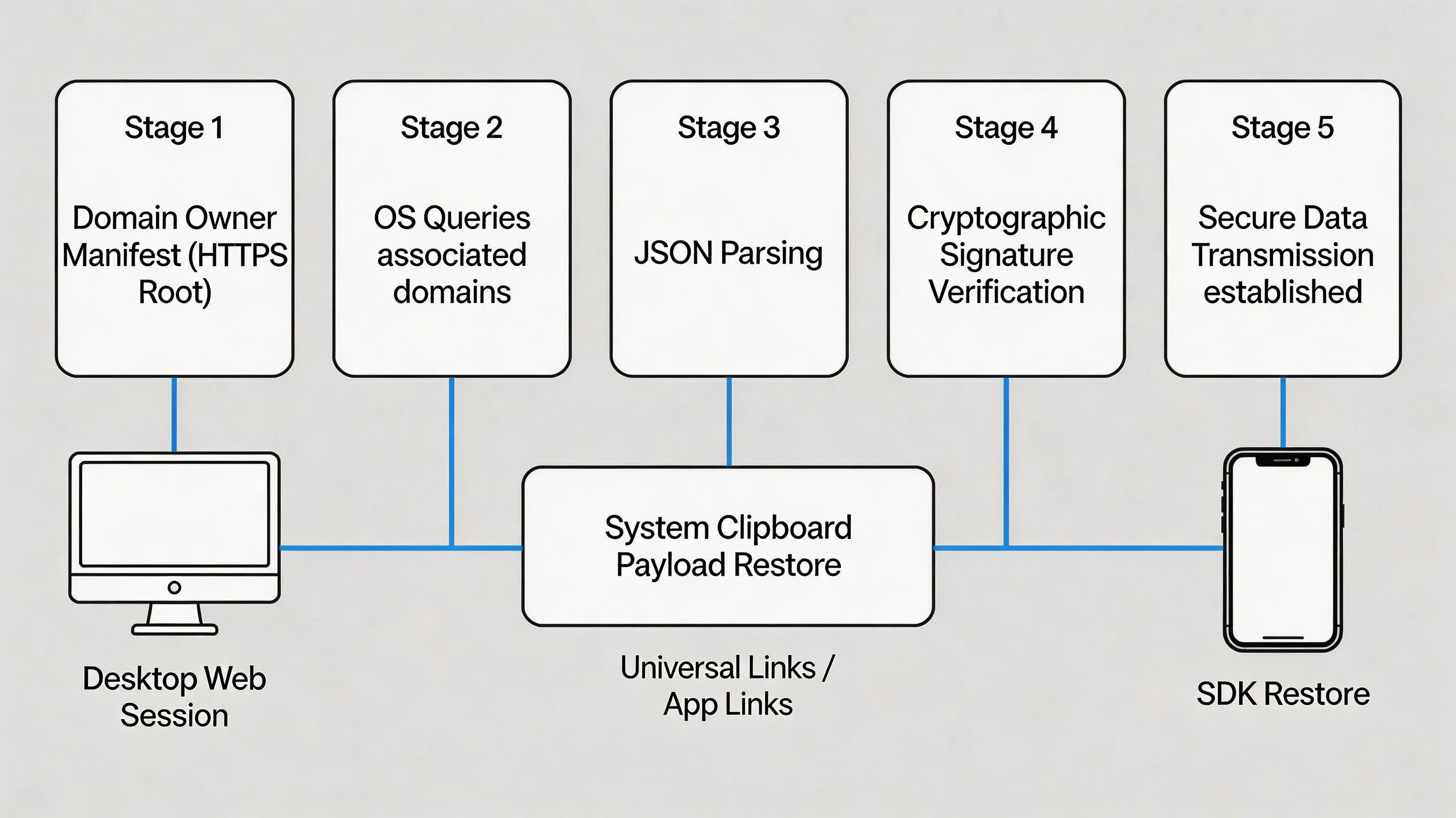
To maintain growth, engineering and product teams must prioritize stateless data structures and server-side state preservation. Implementing robust server-side parameter pass-through frameworks and context restoration will help organizations maintain reliable attribution and session continuity in increasingly agent-driven environments. As compute deflation continues to reshape AI infrastructure economics, engineering teams will increasingly prioritize platforms that reduce integration overhead while preserving measurement accuracy.
Share this article