Apple Expands Siri AI Languages? On October 26, 2026, Apple officially extended its Siri AI beta across five new languages—French, Japanese, Korean, Portuguese, and Spanish—in the 27.2 software updates across iOS, iPadOS, macOS, watchOS, and visionOS. This release expands the geographic reach of Apple Intelligence’s conversational assistant, with planned additions for traditional Chinese, Norwegian, Turkish, and Vietnamese announced for the end of the year. Developers should distinguish between general Apple Intelligence language support and Siri AI language support: broader features like writing tools support sixteen languages, whereas Siri AI conversational actions remain limited to six languages in beta. By pairing on-device processing with Private Cloud Compute, the updated assistant introduces concrete localization and architectural considerations for regional mobile engineering teams.
Why Apple Expands Siri AI Languages: Aligning Multilingual App Intents with Regional Rollouts
At a Glance
- Apple released Siri AI beta support for French, Japanese, Korean, Portuguese, and Spanish in the 27.2 software update on October 26, 2026.
- Stated platform plans include traditional Chinese, Norwegian, Turkish, and Vietnamese before the end of 2026, though specific minor release numbers remain unannounced.
- Regional policy restrictions keep Siri AI disabled on iOS, iPadOS, and watchOS in the European Union, while deployment remains pending in mainland China.
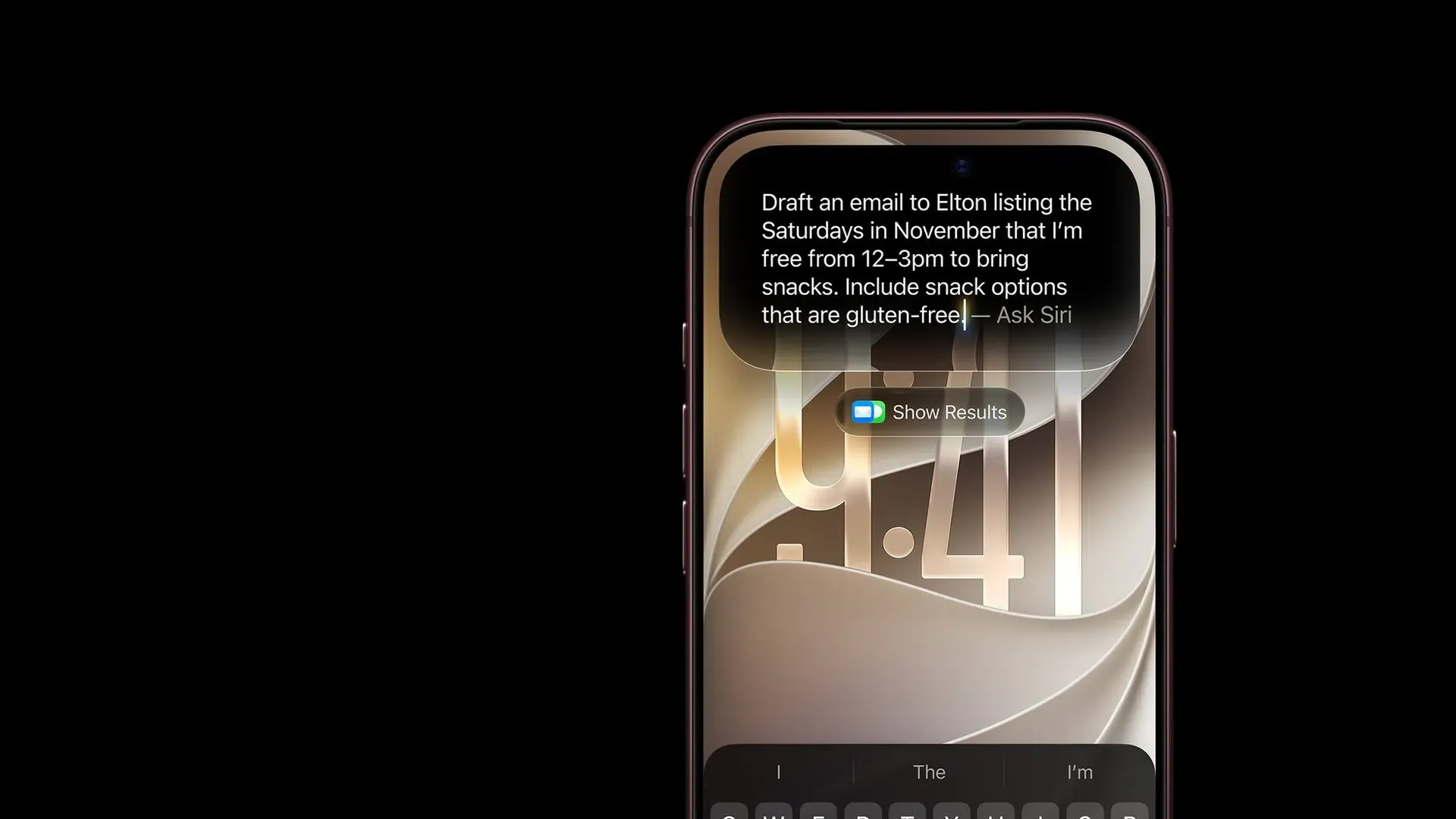
The interaction model of mobile operating systems is evolving toward multimodal, conversational intent handling. For over a decade, mobile voice assistants operated primarily as speech-to-text parsers executing rigid command scripts. The overhauled Siri AI architecture replaces this paradigm by interpreting conversational context, parsing onscreen content, and orchestrating multi-step actions across native and third-party software. Extending these capabilities into major international markets marks a key technical phase for software teams, who must now support systemwide action schemas beyond English-speaking user bases.
Apple confirmed that Siri AI is available in beta across the 27.2 releases for English, French, Japanese, Korean, Portuguese, and Spanish. The platform operator also outlined plans to support traditional Chinese, Norwegian, Turkish, and Vietnamese before the end of 2026. While industry observers speculate these additions may arrive alongside future updates such as iOS 27.3, Apple has not published a finalized version schedule or committed delivery date. Furthermore, language availability does not guarantee uniform feature access across all device categories, as hardware requirements limit full functionality to supported devices including iPhone 16 models, iPhone 15 Pro, M-series iPads, and Apple Silicon Macs.

Regional availability continues to reflect international regulatory compliance requirements. Despite introducing European languages such as French and Portuguese, Siri AI remains disabled within the European Union on iOS, iPadOS, and watchOS while Apple works constructively with regional authorities to navigate digital market regulations. In contrast, macOS and visionOS releases within the EU operate under different regulatory boundaries. Additionally, Siri AI is unavailable in mainland China while regulatory reviews proceed, and Apple enforces platform policies restricting the assistant for users under 13 years of age. Requests requiring server-side intelligence route through Private Cloud Compute under dynamic daily usage limits, with expanded compute access planned as a commercial tier in the future.

Under-the-Hood Mechanics of the Apple Expands Siri AI Languages Architecture
Siri AI combines on-device neural processing with server-side intelligence through a hybrid compute architecture. On compatible hardware, the system executes supported intent-parsing tasks locally using Apple Foundation Models. When queries require broader contextual processing or external knowledge, requests route to Private Cloud Compute clusters. Apple employs cryptographic verification to ensure that server-side compute clusters never retain personal data or expose user interactions to platform operators. Actual execution pathways depend on feature support, device hardware capabilities, and real-time system conditions rather than a single fixed escalation schedule.
At the application layer, Siri AI interacts with third-party software through the App Intents framework rather than superficial screen scraping. By leveraging onscreen awareness and personal context indexes, the assistant resolves natural language queries into typed parameter schemas. Apple has highlighted integrations with services such as WhatsApp and Audible, with upcoming workflow extensions announced for applications including Microsoft Outlook, Notability, and Tripsy.
Dissecting Native Intent Execution vs. Optional URL Representation
A central architectural distinction lies in how system actions are invoked versus how external links are handled. App Intents and Universal Links serve different roles, though Apple provides specific integration points between them:
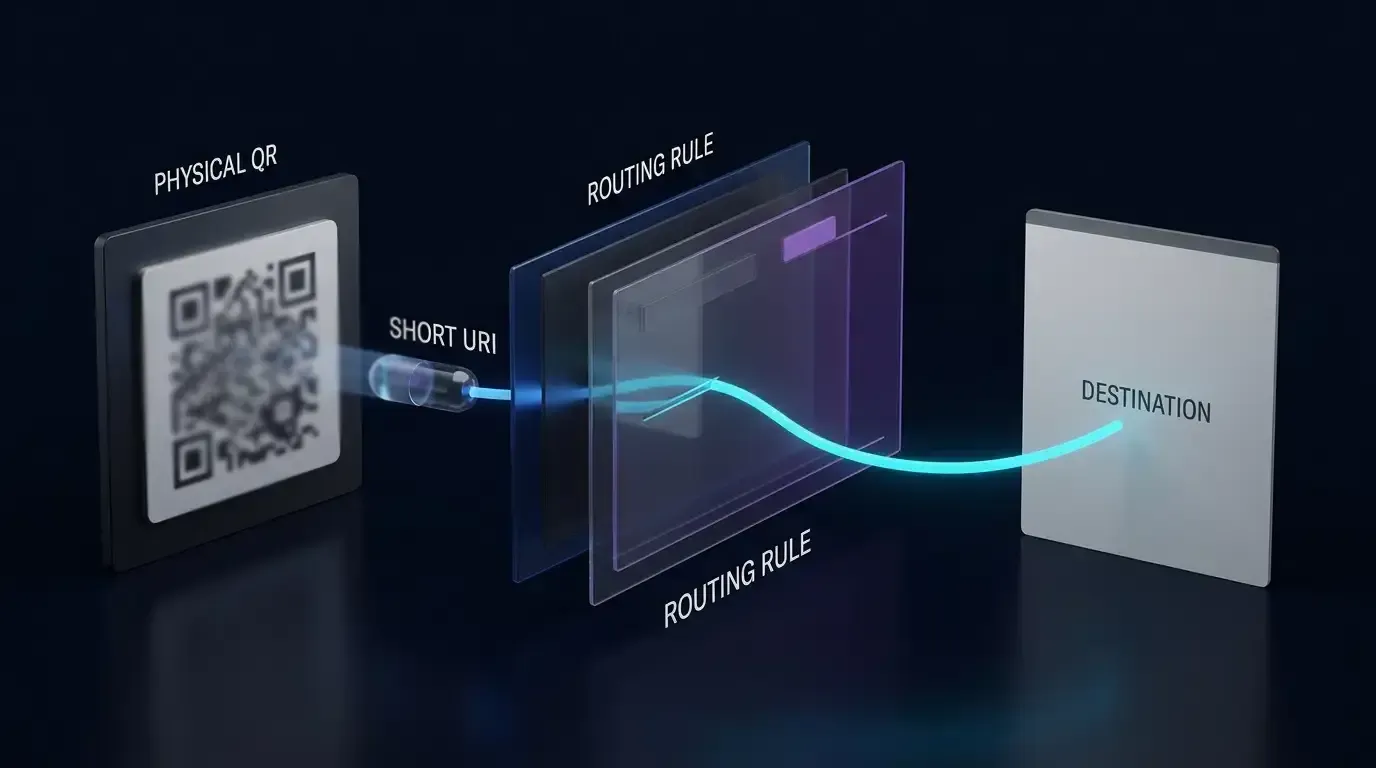
- Path A: Native App Intent Execution: Most App Intents execute directly within the operating system runtime. When a user issues a voice command in Japanese, Korean, or Spanish, Siri resolves the query into an
AppIntentand passes typed parameters into the application extension or main app process. This interaction executes natively through system IPC without requiring HTTP requests, web browser redirects, or deep link handlers. - Path B: Universal Link Routing via
URLRepresentableIntent: Apple provides theURLRepresentableIntentprotocol for developers whose intents represent specific, viewable content or shareable web resources. Importantly, when an intent adopts bothOpenIntentandURLRepresentableIntent, the operating system can route the action through the application’s established Universal Link handling path instead of requiring a dedicatedperform()implementation. - Path C: External Link Sharing: If a user copies or shares a URL-backed entity outside the Siri environment, external recipients interact with that HTTPS link through standard web-to-app channels.
The architecture diagram below outlines the structural relationship between native intent execution, optional Universal Link representations, and external web navigation:
[Path A: Native App Intent Invocation]
  User Voice / Onscreen Query (e.g., Japanese / French)
                     │
                     ▼
  [Siri AI / Apple Foundation Models] (On-Device or Private Cloud Compute)
                     │
                     ▼
  [Typed Parameters / AppEntity Resolution]
  (Localization Context: LocalizedStringResource + IntentSystemContext.locale)
                     │
                     ▼
  [Native In-App Execution / Extension] (Direct Action Handled In-Process)

──────────────────────────────────────────────────────────────────────────

[Path B: URL-Backed Intent Integration]
  [OpenIntent + URLRepresentableIntent] ──> Routes via Existing Universal Link
                     │
                     ▼
  [Application URL Handler] ──> Displays Specific Screen Without perform()

──────────────────────────────────────────────────────────────────────────

[Path C: Optional External Link Sharing]
  [URLRepresentableIntent / Entity] ──> Exposes Shareable Universal Link
                     │
                     ▼
  [External User Receives Link] ──> Standard Web-to-App Navigation
                     │
                     ▼
  [Universal Link / Conditional DDL Flow] ──> App Launch or Store Onboarding
Localization within this architecture is managed through native Swift APIs. Developers utilize LocalizedStringResource to ensure intent titles, descriptions, and parameter summaries match the user’s active device language. In addition, developers can inspect IntentSystemContext.locale to determine if the query language differs from the application interface language. Incomplete localization does not inherently trigger fatal runtime exceptions or cause parameter loss; rather, it affects whether Siri can successfully discover App Shortcuts or accurately parse phonetically distinct entity values.

Engineering Responsibility: Aligning Native Intents with Link-Sharing Workflows
Adapting mobile software to support an expanding multilingual assistant requires clear boundaries across engineering systems. Third-party link management and attribution tools do not manage, route, or execute Siri AI’s native voice intents. Siri communicates directly with installed applications through local operating system frameworks and AppKit or UIKit extensions.
However, when developers choose to make application content shareable outside the Siri environment—such as exporting a localized workflow into a Universal Link—separate external routing considerations emerge. Engineering teams must differentiate between native intent handling and external web-to-app routing.
Technical Responsibility Matrix
The matrix below illustrates the distribution of engineering responsibilities across native intent handling and external linking:
| Engineering Objective | Primary Mechanism | Architectural Scope | Third-Party Link / SDK Role |
|---|---|---|---|
| Siri Native Intent Execution | App Intents + LocalizedStringResource | Operating system runtime | Not applicable (Direct OS-to-app invocation) |
| Semantic Parameter Binding | Typed Parameters & AppEntity Resolution | In-app data validation | Not applicable (Handled by application logic) |
| Shareable URL Representation | URLRepresentableIntent protocol | Optional system-to-URL bridge | Non-essential dependency (Native Swift protocol) |
| External HTTPS Link Routing | Universal Links & App Routing Engine | Web-to-app transition | Applicable for external link navigation |
| Post-Install Parameter Recovery | Conditional Deferred Deep Linking | Cross-platform onboarding | Applicable in eligible web-to-app install flows |
| Action Authorization & Privacy | App Authentication & Confirmation | Application security boundary | Not applicable (Local authorization controls) |
While native App Intents handle direct voice and onscreen commands, external web-to-app transitions require separate routing infrastructure. For scenarios where a user shares an action link with an external recipient who may not have the application installed, developers can evaluate independent linking solutions such as OpoInstall. In these external web-based sharing pathways, OpoInstall provides parameter pass-through frameworks and deferred deep linking to preserve campaign, content, or referral parameters across standard browser-to-store journeys, subject to platform rules and device capabilities. These tools serve as complementary web-routing utilities rather than internal Siri execution brokers.
Integration Checklists: How Mobile Engineering Teams Can Adapt to Siri AI
To prepare international applications for Siri AI across newly supported languages, mobile engineering teams should systematically audit their codebase schemas and regional marketing assets.
Developer Implementation Checklist
- Audit App Intents Localization: Review all registered
AppIntent,AppShortcut, andAppEntitydefinitions, providing translated strings usingLocalizedStringResourcefor French, Japanese, Korean, Portuguese, and Spanish. - Inspect Intent Locale Context: Implement logic checking
IntentSystemContext.localeto handle multilingual parameter parsing gracefully when user voice input differs from application interface settings. - Evaluate
URLRepresentableIntent: Identify specific entities or viewable content that benefit from exportable links, adopting the protocol only where cross-user sharing or URL-backedOpenIntentexecution is advantageous. - Test Intent Execution and Localization: Validate App Intent performance, permission prompts, latency, and error handling across supported devices, verifying localized strings and entity resolution in newly added languages.
Product & Growth Strategy Checklist
- Optimize App Store Regional Copy: Update regional product page descriptions to highlight Siri AI voice triggers and phrase combinations common in target language markets.
- Audit Accessibility and Onscreen Elements: Ensure key interactive elements and data fields feature descriptive labels to assist Siri AI’s onscreen awareness parsing.
- Separate Voice Invocations from Link Funnels: Track native Siri voice engagements independently from external marketing links to maintain accurate channel attribution models.
Frequently Asked Questions (FAQ)
How does Siri AI differ from broader Apple Intelligence language support?
Does an App Intent always require a Universal Link to work with Siri AI?
Why is Siri AI unavailable in the European Union on iOS?
Key Takeaways for Engineering Teams
The deployment of Siri AI across international languages signals a decisive evolution in software discoverability. As operating systems integrate generative intelligence directly into the user interface, traditional app icons and manual navigation paths are no longer the exclusive gateways to digital services. Applications that structure their features as callable system intents ensure software remains discoverable across global markets.
Engineering teams should maintain architectural discipline by distinguishing native system intents from web-based linking pipelines. While direct Siri operations rely on local and Private Cloud Compute frameworks, exportable content benefits from standard Universal Links and conditional deferred deep linking. Implementing these protocols within their proper functional boundaries enables developers to deliver seamless, compliant user journeys across both conversational and traditional software channels.
References
-
Apple Newsroom. Siri AI is available in more languages starting today. https://www.apple.com/newsroom/2026/10/siri-ai-is-available-in-more-languages-starting-today/
-
Apple Developer Documentation. App Intents Framework Overview. https://developer.apple.com/documentation/appintents
-
Apple Developer Documentation. Configuring the Runtime Behavior of App Intents. https://developer.apple.com/documentation/appintents/configuring-the-runtime-behavior-of-your-app-intents
-
Apple Developer Documentation. IntentSystemContext.locale. https://developer.apple.com/documentation/appintents/intentsystemcontext/locale
-
Apple Developer Documentation. URLRepresentableIntent. https://developer.apple.com/documentation/appintents/urlrepresentableintent
-
Apple Developer Documentation. URLRepresentableEntity. https://developer.apple.com/documentation/appintents/urlrepresentableentity
-
Apple Support. Apple Intelligence usage limits and terms. https://support.apple.com/en-us/148587
-
OpoInstall Product Documentation. Universal Links and Deferred Deep Linking Capabilities. https://www.opoinstall.com/
-
9to5Mac. Apple announces Siri AI will expand to these new languages soon. https://9to5mac.com/2026/10/26/apple-announces-siri-ai-will-expand-to-these-new-languages-soon/
-
Unite.AI. Apple Expands Siri AI Beyond English with 27.2 Software Updates. https://www.unite.ai/apple-unveils-overhauled-siri-assistant-in-apple-intelligence-update/
Share this article