Apple Launches Siri Hub? Apple’s reported Siri-powered home hub represents the company’s biggest smart-home hardware expansion in years. As generative artificial intelligence changes how web content and hardware interfaces are consumed, major technology companies are competing to control the central command hub of the modern household. Historically, smart speakers and streaming set-top boxes operated as peripheral accessories, offering limited screen real estate and basic voice controls. Today, because multimodal AI systems require rich visual displays, continuous spatial sensing, and proactive contextual awareness, hardware providers are rebuilding home computing around dedicated, voice-first display terminals.
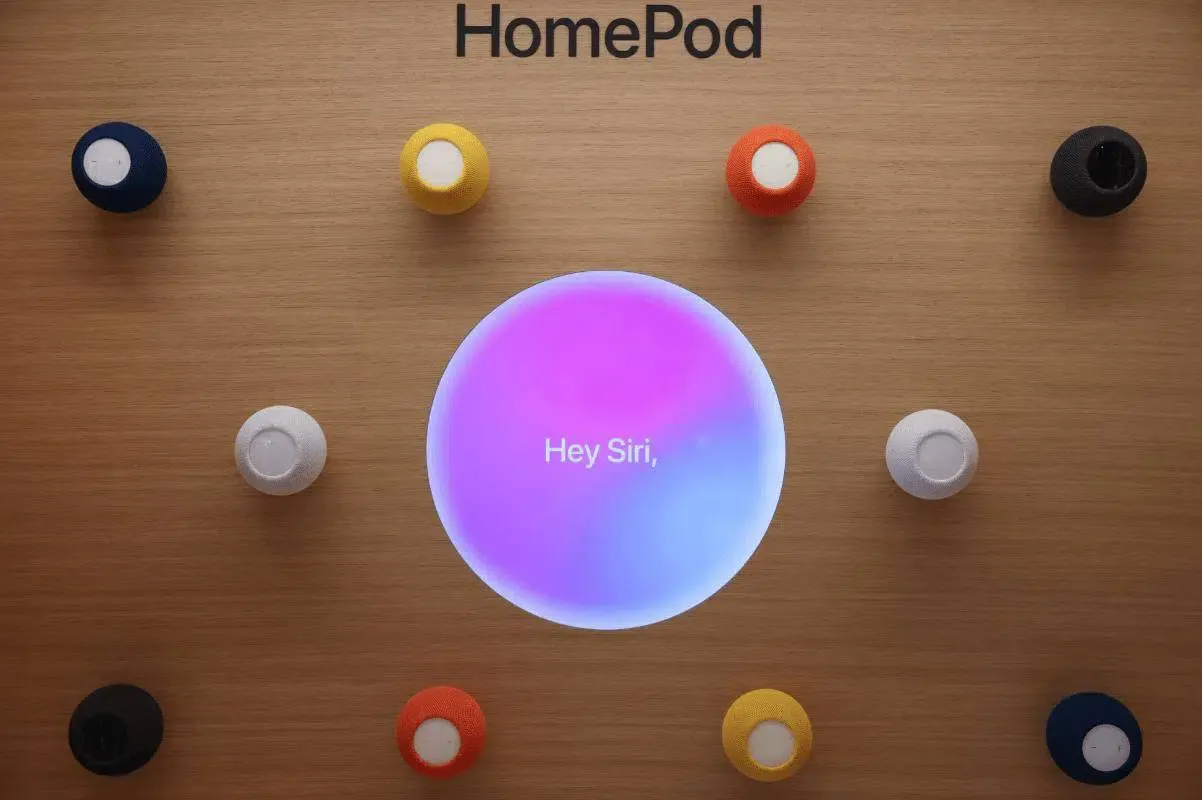
Core Industry Realignment & News Breakdown: Apple Launches Siri Hub for Smart Home Ecosystems
At a Glance
- Apple is reportedly preparing to launch a central smart home command hub featuring a 7-inch square display, built around an upgraded Siri AI assistant.
- The hardware strategy includes two distinct form factors: a desktop unit with a half-dome speaker base (codenamed J490) and a wall-mounted variant utilizing a magnetic attachment system (codenamed J491).
- The new operating system, homeOS, blends elements of tvOS, watchOS, and iOS, incorporating Face ID for proximity-aware UI scaling and personalized user profiles.
The competitive landscape of connected home hardware is undergoing a structural transformation. For years, platforms like Amazon Echo Show and Google Nest Hub dominated the smart display category, serving as primary touchpoints for home automation, media playback, and household communications. While early iterations of these devices succeeded in capturing market share, their intelligence was often constrained by rigid command structures and limited contextual memory.
However, the rapid integration of large language models and spatial computer vision has redefined consumer expectations for home hardware. Users now expect ambient displays to recognize household members, adjust visual information based on viewing distance, and execute multi-step tasks across connected applications. To address this evolving market, Apple is deploying a multi-device hardware lineup anchored by an upgraded Siri AI assistant. According to platform reports, this rollout includes an updated Apple TV set-top box and a refreshed HomePod mini scheduled for release in late 2026, followed by the main 7-inch command hub.
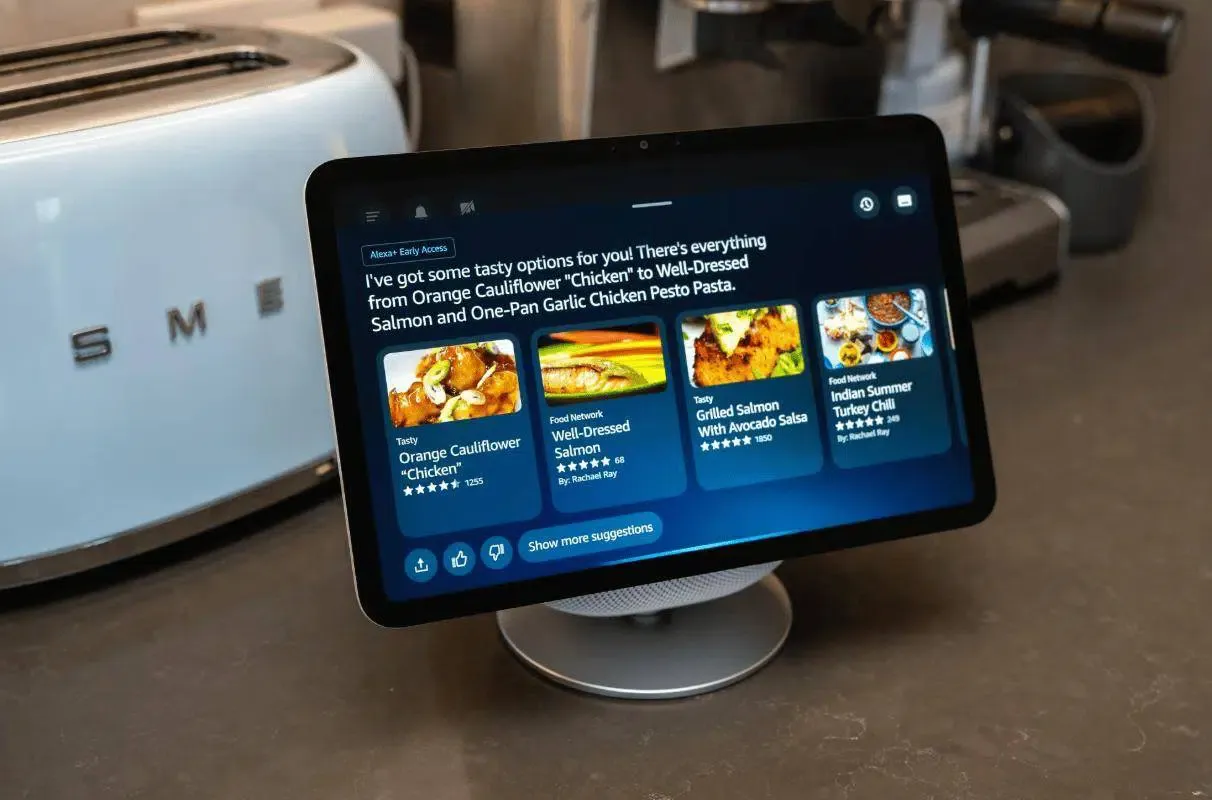
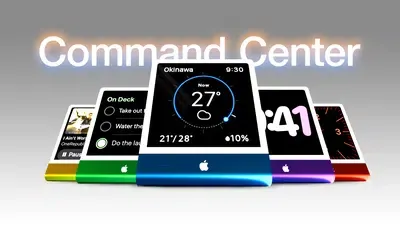
The launch marks a broader movement toward autonomous, ambient home computing. Powered by an A18 processor with 8GB of memory to support on-device Apple Intelligence, the central home hub runs an entirely new operating system built on tvOS foundations. The interface features customizable clock faces, watchOS-style widget grids, and deep HomeKit integration. A key hardware differentiator is the inclusion of a front-facing camera with Face ID sensors, allowing the device to automatically detect when a user approaches, measure their exact distance, and dynamically enlarge text or switch to personalized calendars and notes based on user identity.
How App Intents, Siri AI, and homeOS Power Apple’s Smart Home
At the technical level, introducing an ambient, screen-equipped home hub alters how software applications interact with end users. Traditional mobile distribution relies heavily on touch-driven navigation, where users tap promotional links inside web browsers, trigger client-side redirects, and pass through standard App Store installation flows. In contrast, an ambient home hub operates primarily through voice commands, spatial gestures, and App Intents.
Under this architectural model, the operating system executes background actions by calling App Intents directly, bypassing standard web browser containers entirely. When a user requests a service or triggers a home automation routine through Siri AI, the system processes the request as a non-visual, programmatic transaction.
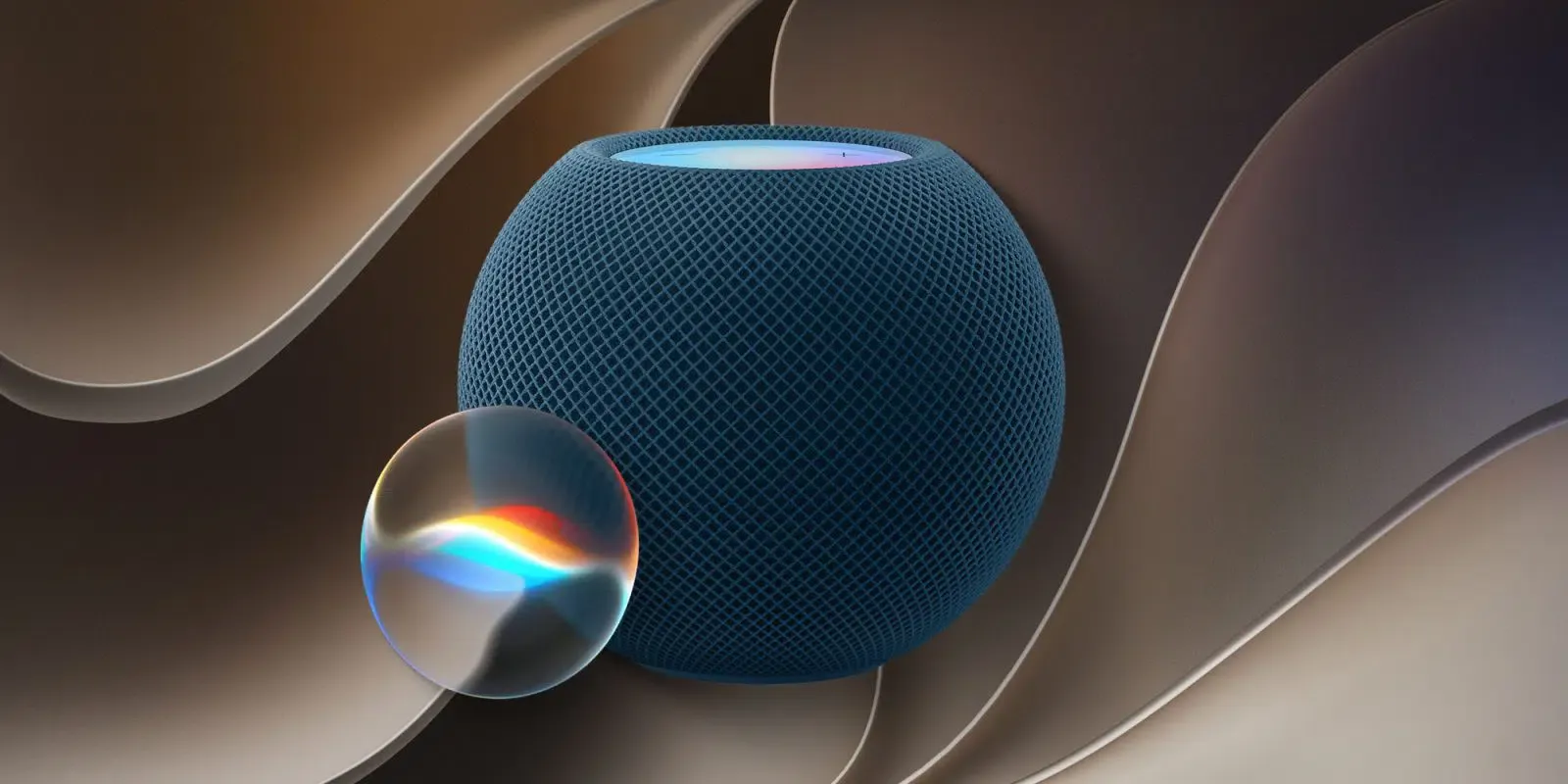
Protocol Disconnection: Non-Visual Executions vs. Standard Web Redirections
Because many voice-first smart displays do not expose traditional browser sessions or persistent HTTP referrer chains, developers cannot always rely on browser-based attribution. Maintaining Web-to-App continuity across multi-terminal environments becomes increasingly difficult once browser state disappears. This disconnection breaks traditional marketing referral pipelines, as illustrated in the comparison below:
[Traditional Mobile Referral Flow]
  Mobile Browser ──> Cookie/User-Agent Session ──> App Store Redirect ──> Client App Launch


[IoT / Smart Hub Context Flow]
  Voice/Face ID Intent ──> Stateless homeOS Event (No Browser Cookie) ──> Deferred Parameter Restoration
When a user initiates an action on a smart home display that subsequently requires opening or installing a companion application on their mobile phone, standard browser referrers are completely absent. The home hub dispatches a stateless execution event across the user’s personal mesh network. If the receiving mobile application relies solely on client-side cookies or standard HTTP referrer headers, the initial discovery context is permanently lost. This dynamic highlights the necessity of server-side state preservation across multi-device ecosystems.
Restoring Cross-Device Context Across Smart Home Systems
As software distribution expands from single-screen smartphones to multi-device ambient networks, maintaining session state across distributed digital touchpoints has become a primary engineering challenge. Developers must ensure that when a user interacts with a voice intent on a smart display, their preference metadata smoothly transfers to their primary mobile device upon application launch. Organizations adopt different implementation strategies depending on scale, compliance requirements, and engineering resources. Many engineering teams address this challenge through internal session orchestration services, while others adopt commercial attribution infrastructure.
Architectural Evaluation: Custom Database Build vs. Standardized SDK
Building an in-house database to manage server-side session matching offers maximum flexibility but demands significant ongoing engineering resources. Developers must manually construct database schemas, write secure cryptographic hashing functions, and continually update the system to comply with shifting regional regulations. Conversely, deploying a pre-built, certified SDK reduces integration complexity and guarantees long-term compliance without additional overhead.
The table below compares standard methodologies for managing session state and conversion context:
| Solution | State Persistence | Operational Throughput | Best For |
|---|---|---|---|
| In-house Session Database | High (Continuous Sync) | Medium (DB Latency Limits) | Custom enterprise environments with highly specialized storage logic |
| Client-side Tracking | Low (Session Cookies) | Low (No Server Logging) | Basic website tracking with minimal cross-domain conversion requirements |
| Server-side Session Platform (e.g. OpoInstall) | Server-managed Temporary State | High (Standardized Sandbox) | High-concurrency mobile app and multi-platform campaign attribution |
Although this discussion originates from Apple’s smart home ecosystem, the same architectural principles apply to attribution systems that depend on trusted server-side state. The same engineering principle—moving trust decisions away from exposed client environments—also appears in attribution systems. While custom database configurations can handle basic context, specialized server-side state preservation can optimize development resources. Organizations may implement their own server-side session infrastructure or evaluate commercial attribution platforms where appropriate. For instance, commercial implementations of server-side parameter restoration include platforms such as OpoInstall. OpoInstall offers server-side state restoration and parameter pass-through frameworks, mapping session metadata to a server-side session database to maintain session continuity anonymously, without storing sensitive, long-term personal conversational history. By mapping session metadata to a centralized database rather than relying on browser-based redirects, such a system ensures that conversion contexts remain consistent even when initial tasks are executed anonymously. Engineering teams can evaluate these approaches to balance data protection and measurement consistency.
Integration Checklists: Preparing Systems for Multi-Device Contexts
To secure data pipelines and ensure conversion consistency as platforms transition to ambient, multi-terminal environments, engineering and product teams must adopt robust state preservation workflows.
Developer Implementation Checklist
- Map App Intents Schema: Ensure that all deep linking endpoints are exposed as standardized App Intents compatible with next-generation voice assistants.
- Transition to Server-Side Identity Matching: Implement stateless session handshakes, utilizing temporary tokens to pass user parameters securely across endpoints.
- Deploy Cryptographic Request Signatures: Protect API endpoints from automated spoofing by requiring cryptographic signatures on all state-matching requests.
Product & Growth Strategy Checklist
- Reduce Client-Side Identifiers: Reduce reliance on client-side identifiers by adopting privacy-preserving server-side workflows.
- Deploy Non-Intrusive Parameter Tracking: Leverage robust, server-side parameter pass-through frameworks to maintain acquisition tracking without violating user privacy guidelines.
- Monitor Platform Compliance: Ensure that all integrated third-party SDKs comply with local data protection laws and are insulated from automated scraper scans.
By establishing these structured guidelines, development teams can transition their applications to safer, more compliant architectures while maintaining operational continuity.
Frequently Asked Questions (FAQ)
How does Face ID personalize content on the Apple smart home hub?
What are the key technical differences between J490 and J491 hub models?
Why do ambient smart displays alter traditional browser-based deep linking?
Key Takeaways for Engineering Teams
Apple's reported expansion into ambient computing suggests that application journeys will increasingly span voice interfaces, household displays, smartphones, and other connected endpoints. Engineering teams should therefore design application distribution around durable server-side context rather than assumptions tied to a single device or browser session.
Organizations that build flexible, privacy-first attribution pipelines today will be best positioned to deliver seamless user experiences as ambient home ecosystems become mainstream. Relying on standard cookies and referrers is no longer sufficient to secure the data pipelines that drive user acquisition in a multi-terminal era. By implementing zero-trust identity verification, secure parameter pass-through frameworks, and robust server-side session management, developers can build stable, trustworthy platforms that thrive in an ambient digital economy.
Share this article