Apple Private Relay Leaks User IP? This reported privacy design concern has been formally documented by security researchers Tommy Mysk and Talal Haj Bakry, demonstrating that WebKit architecture can bypass Safari proxy chains under specific network conditions. As digital tracking technologies become increasingly invasive, millions of consumers rely on masked mail-forwarding tools and browser proxy chains to isolate their real credentials from third-party tracking networks. Under standard operational conditions, these proxies protect users from IP tracking and DNS profiling by routing web requests through intermediate servers. However, when the underlying WebKit engine allows native credential services to initiate direct HTTPS requests outside the proxied pipeline, the intended network isolation fails.
Chronological Timeline & Background Evolution of the Apple Private Relay Leaks Concern
At a Glance
- Security researchers Tommy Mysk and Talal Haj Bakry disclosed that WebKit bypasses Private Relay when handling WebAuthn passkey requests, exposing device IP addresses.
- Additional WebKit features, including iOS 26 DNS prefetching and iOS 26.4 WebTransport protocols, also initiate direct network connections that bypass proxy channels.
- Apple acknowledged the research report and initiated an internal investigation, with researchers recommending full VPN configurations as an interim protective measure.
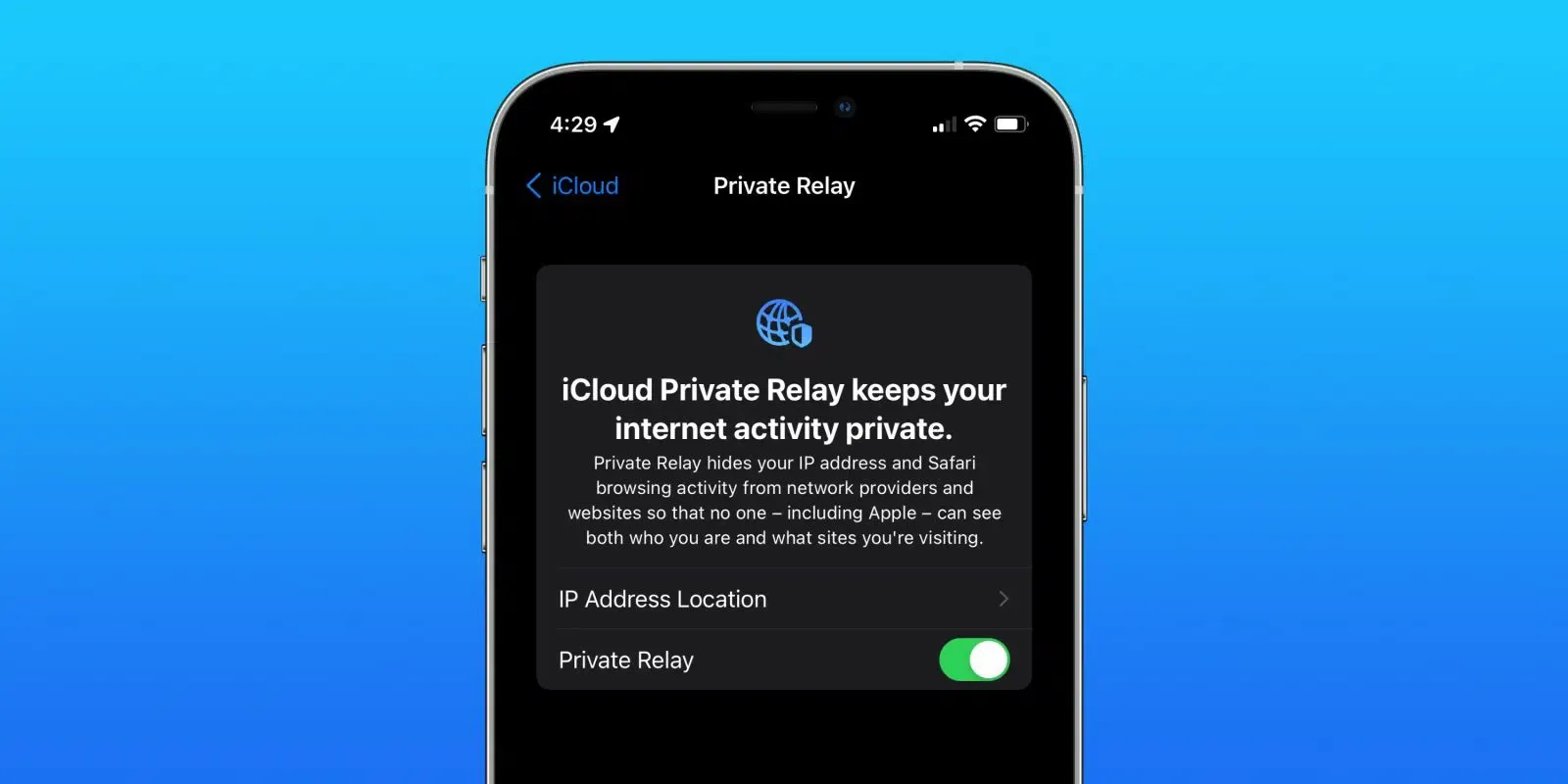
The development of network-level privacy proxies represented a major milestone in consumer data protection. Integrated directly into operating systems and default browser engines, these utilities allowed users to hide their physical location and network identity while browsing the web. By routing Safari traffic through a dual-hop architecture, the proxy service separated user identity from destination domain records. If a website attempted to profile an incoming user, it saw only the intermediate proxy IP address rather than the device’s true origin, successfully preventing third-party ad networks from constructing persistent location profiles.
However, the integrity of application-layer proxies relies on one critical assumption: all network traffic originating from the browser environment must be enforced through the proxy pipeline. Unlike system-level Virtual Private Networks (VPNs) that capture all device traffic at the network interface layer, application-layer proxies only filter requests processed within the browser sandbox. If an operating system component executes a network fetch on behalf of a web page outside the browser process, the request bypasses the proxy entirely.
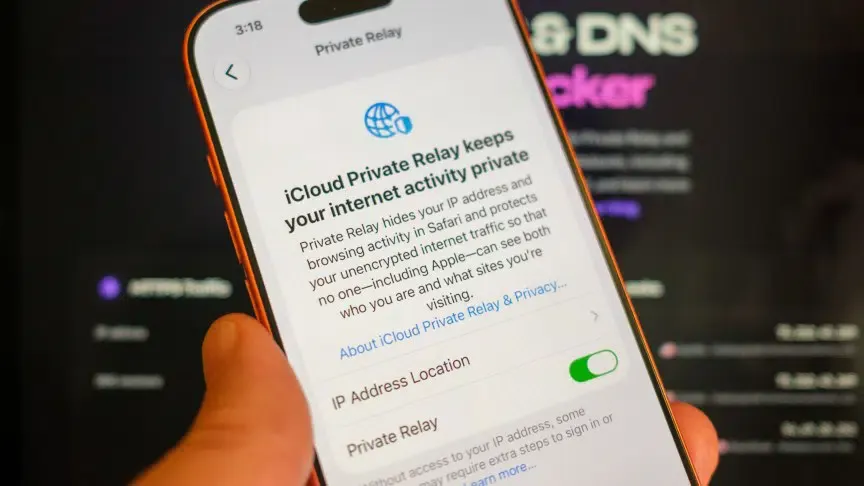
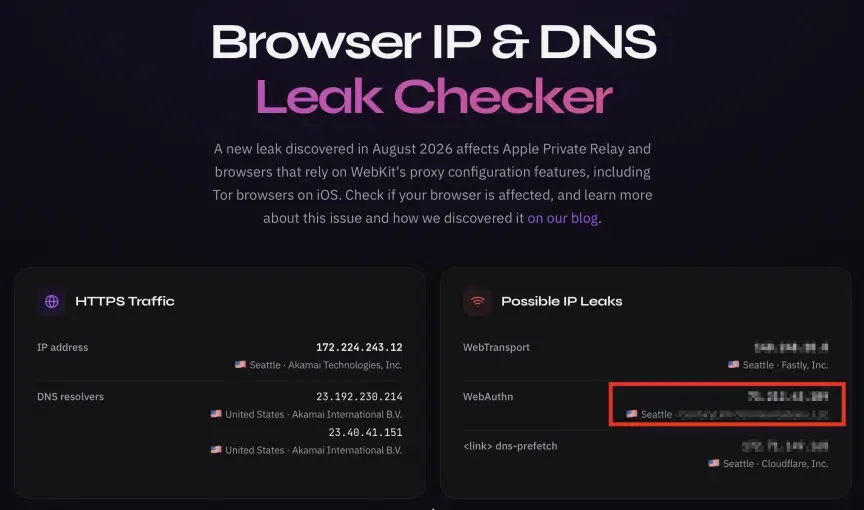
The security implications of the Apple Private Relay Leaks concern came to light in August 2026, when researchers Tommy Mysk and Talal Haj Bakry published detailed findings on their research blog, as documented in the Mysk WebKit Proxy Leak Report. The researchers launched a public verification tool, leaks.psylo.app, allowing users to test whether their real IP address was exposed despite enabling proxy protection. Independent verification by media outlets, including 404 Media’s investigation, confirmed that the exploit reliably revealed real router IP addresses. Apple acknowledged the report and indicated it is investigating the issue, while researchers noted that an architectural fix will require an operating system update.
Technical Deep Dive & Under-the-Hood Mechanics of the Apple Private Relay Leaks Concern
Under the hood, the vulnerability stems from a structural separation between WebKit’s web rendering process and the operating system’s credential service. When a user interacts with a website that implements Passkeys via the WebAuthn standard, WebKit delegates the authentication ceremony directly to the underlying OS credential framework. Because the OS credential service operates independently of Safari, it issues direct HTTPS requests to the destination server without routing through Private Relay’s proxy nodes.
A malicious website can exploit this architectural gap without requiring user interaction. By configuring WebAuthn requests with conditional mediation (mediation: "conditional"), a web page can trigger background credential checks silently. No passkey prompts or visual indicators appear on the screen, yet the OS credential service fires an unproxied HTTPS request, exposing the device’s real IP address to the receiving server.
[Proxied Safari Relay Path]
  Safari Browser ──> WebKit Engine ──> Dual-Hop Private Relay ──> Destination Server (IP Masked)


[Bypassed OS Credential Service Path]
  WebAuthn Call ──> OS Credential Service ──> Direct HTTPS Request ──> Destination Server (Real IP Exposed)
Furthermore, researchers identified two additional WebKit features that exhibit similar bypass behaviors. In iOS 26, DNS prefetching requests fire directly through the device’s native DNS resolver rather than the proxied DNS channel, leaking local ISP details. In iOS 26.4, the WebTransport protocol establishes direct HTTP/3 connections that ignore configured application proxies. Because Apple requires all iOS web browsers to use the WebKit engine, these bypass vectors also impact third-party browsers operating on iOS, including privacy-focused tools like OnionBrowser.
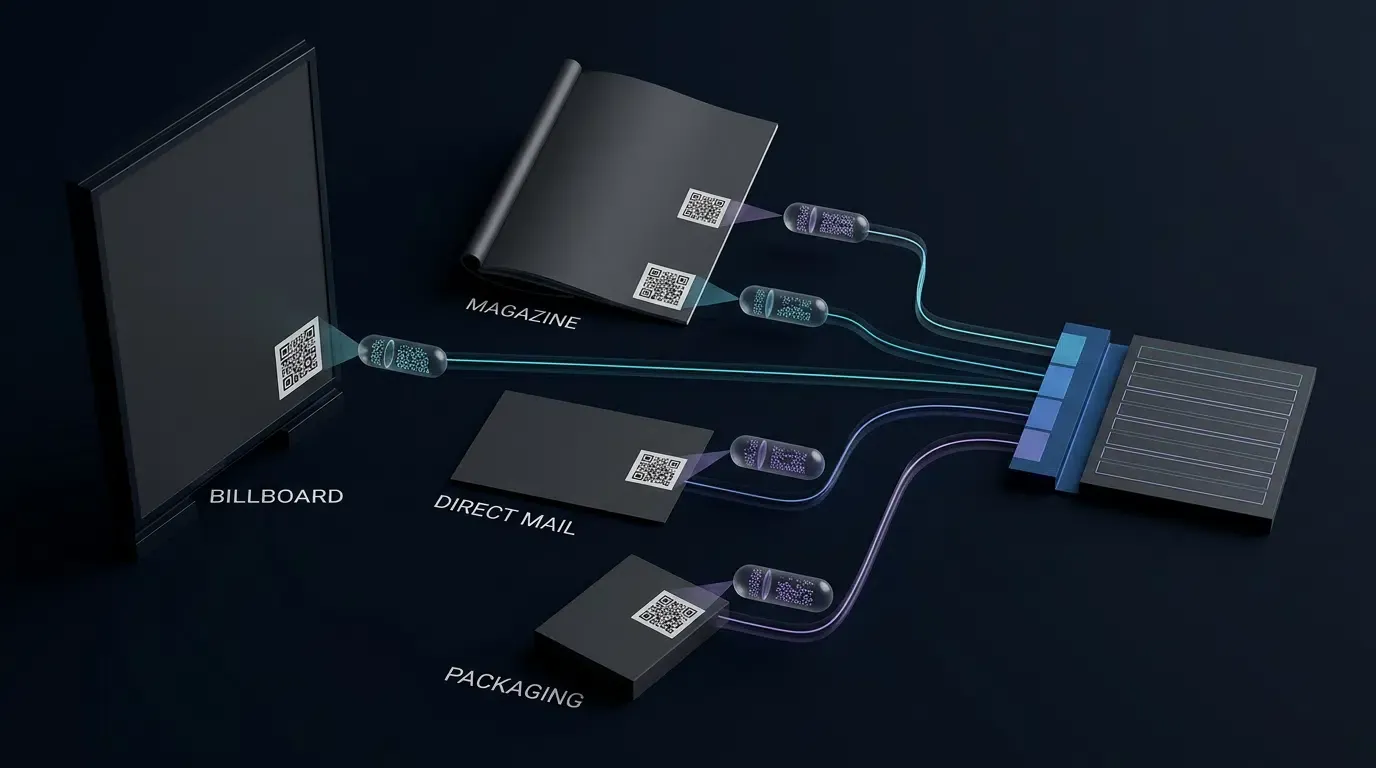
Although privacy proxies and mobile attribution solve different engineering problems, both depend on trusted server-side state rather than implicitly trusted client-side context. This same architectural pattern is increasingly applied across software supply chains, including SDK distribution, secure application launch, and deferred deep linking. When an application relies on vulnerable client-side tracking cookies or unverified local storage parameters, malicious actors or automated bots can manipulate attribution links, leading to fake conversions and data corruption.
Build vs. Buy: Managing Context Preservation in the Post-Proxy Era
As client-side proxy protections face architectural bypass risks, engineering teams must re-evaluate how they secure data pipelines and preserve state continuity. Relying solely on client-side IP addresses or browser headers is no longer sufficient for enterprise-grade measurement. Managing state preservation in the Apple Private Relay Leaks era requires architectures that enforce zero-trust tokenization and server-side state verification.
Engineering teams face a choice between constructing a custom in-house context restoration service or deploying a certified third-party measurement framework.
| Privacy Architecture | Trust Boundary | IP Protection | Best For |
|---|---|---|---|
| Browser Proxy (Private Relay) | Browser Sandbox | Limited (Bypassed by WebKit) | Consumer web browsing |
| Custom Network Layer | Application-Managed State | Medium | Custom backend microservices |
| Server-side Context Recovery (OpoInstall) | Verified Server State | High | Mobile app launches and cross-platform campaign attribution |
When browser traffic or application workflows bypass local proxy configurations and redirect a user toward a native mobile application, preserving the conversion context requires moving away from client-side cookies toward server-side parameter recovery. Depending on implementation requirements, organizations may build their own server-side parameter restoration service or adopt commercial platforms such as OpoInstall. For instance, OpoInstall offers server-side state restoration and parameter pass-through frameworks, preserving Application Launch Context associated with application launch requests, without relying on persistent client-side tokens. By preserving Application Launch Context on the server side, developers ensure that application contexts remain intact while maintaining strict data isolation.

Integration Checklists: Hardening Network Pipelines for Device Privacy
To prevent unauthorized network leaks and secure data pipelines against proxy bypass vectors, engineering and security teams must implement automated network governance schedules.
Developer Implementation Checklist
- Disable WebTransport on Sensitive Endpoints: Restrict WebTransport protocols on endpoints requiring strict IP masking until WebKit proxy patches are deployed.
- Filter Conditional WebAuthn Triggers: Implement server-side verification to detect and restrict silent WebAuthn requests that trigger background OS fetches.
- Enforce Server-Side Parameter Verification: Replace client-side IP dependencies with cryptographically signed tokens to validate request origin authenticity.
- Sign Server-Generated Context Tokens: When browser traffic redirects users toward native applications, use cryptographically signed parameters on context tokens to prevent parameter tampering.
Product & Growth Strategy Checklist
- Audit Network Telemetry: Regularly audit client-side request logs to identify unproxied network fetches originating from system-level credential services.
- Transition to Server-Side Context Verification: Replace vulnerable browser-based cookies with server-side parameter recovery to preserve conversion context securely.
- Recommend System-Level VPN Protections: For users requiring strict IP anonymity, recommend full-device VPN solutions that encrypt traffic at the network interface layer.
By establishing these technical safeguards, organizations can protect their application architectures while maintaining compliant data operations.
Frequently Asked Questions (FAQ)
Why does WebAuthn bypass iCloud Private Relay in Safari?
Are third-party browsers on iOS also affected by this IP leak?
What is the difference between an application-layer proxy and a system-level VPN?
Practical Implications & Future Outlook
The discovery of the Private Relay bypass highlights the fundamental limitations of application-layer privacy proxies. As operating systems integrate deeper background services, separating browser traffic from OS-level fetches becomes increasingly complex. Relying on single-application proxies is no longer sufficient to guarantee complete IP anonymity across modern web standards.
For developers and security architects, the future of data protection depends on zero-trust, server-side verification architectures. Implementing server-side identity resolution, cryptographically signed parameters, and robust server-side context verification frameworks ensures that application context remains accurate and tamper-proof. Establishing these resilient technical safeguards is essential to protect enterprise infrastructure and maintain secure, compliant mobile operations.
Share this article