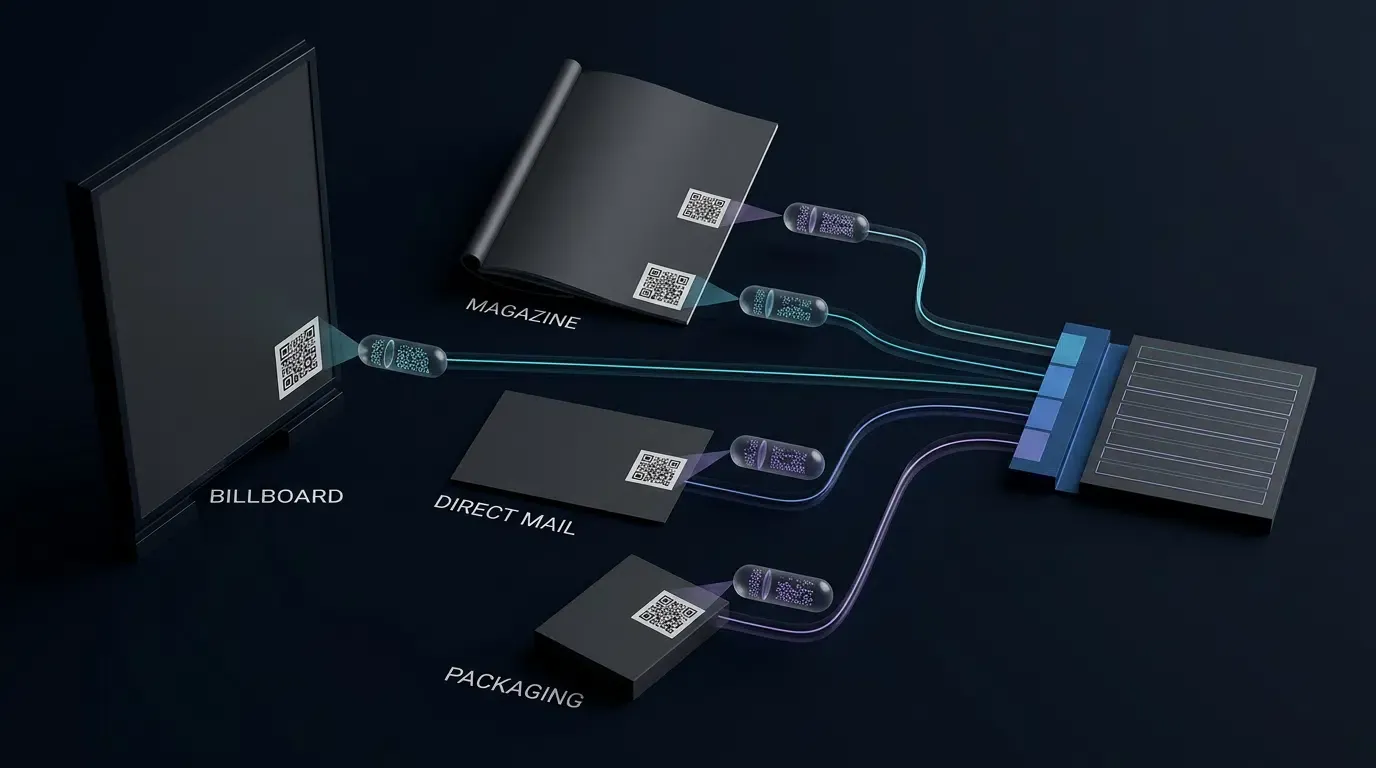
Cloudflare Ships Agent Platform? This landmark infrastructure release has been officially confirmed as the networking leader introduces hosted agent observability and the Agent Development Lifecycle (ADLC). As generative artificial intelligence transitions from conversational chat widgets to autonomous software agents capable of executing headless agent runtimes and modifying local workspaces, traditional web redirection and software engineering assumptions have broken down. Historically, development and marketing frameworks relied on human review, manual release cycles, and stateful browser environments. Today, because autonomous agents execute tasks programmatically without loading client-side cookies or referrer headers, traditional browser-based attribution may lose visibility and introduce attribution gaps.
Core Industry Realignment: Cloudflare Ships Agent Platform for Autonomous Workflows
At a Glance
- Cloudflare has launched a dedicated Agents platform featuring first-party agent tracing, OpenTelemetry integration, and session replay tools.
- The open-source
@cloudflare/computerpackage allocates virtual workspaces per agent, utilizing lightweight Isolates for routine tasks and Containers for heavy Linux execution. - The company proposes replacing the traditional Software Development Lifecycle (SDLC) with the Agent Development Lifecycle (ADLC) to manage autonomous, self-improving agent runs.
The traditional software development and user acquisition lifecycles were designed for human coordination. For nearly five decades, engineering and marketing teams structured their workflows around planning, designing, implementing, testing, deploying, and tracking human user interactions. Under this classic model, users navigated web pages using standard browsers, generating persistent cookies, User-Agent strings, and referrer headers that allowed platforms to measure conversion journeys accurately.
The rapid adoption of agentic workflows has inverted this paradigm. The Cloudflare Agent Platform brings together model access, Durable Objects, Workflows, sandboxed execution, and persistent storage into a unified execution environment. This architecture allows developers to deploy autonomous agents that operate in headless environments. However, because these agents execute API calls without loading full browser layout engines or running client-side tracking scripts, the client-side context that traditional attribution systems depend on is absent. Without specialized infrastructure to capture and preserve campaign parameters at the server level, user acquisition pipelines lose visibility.
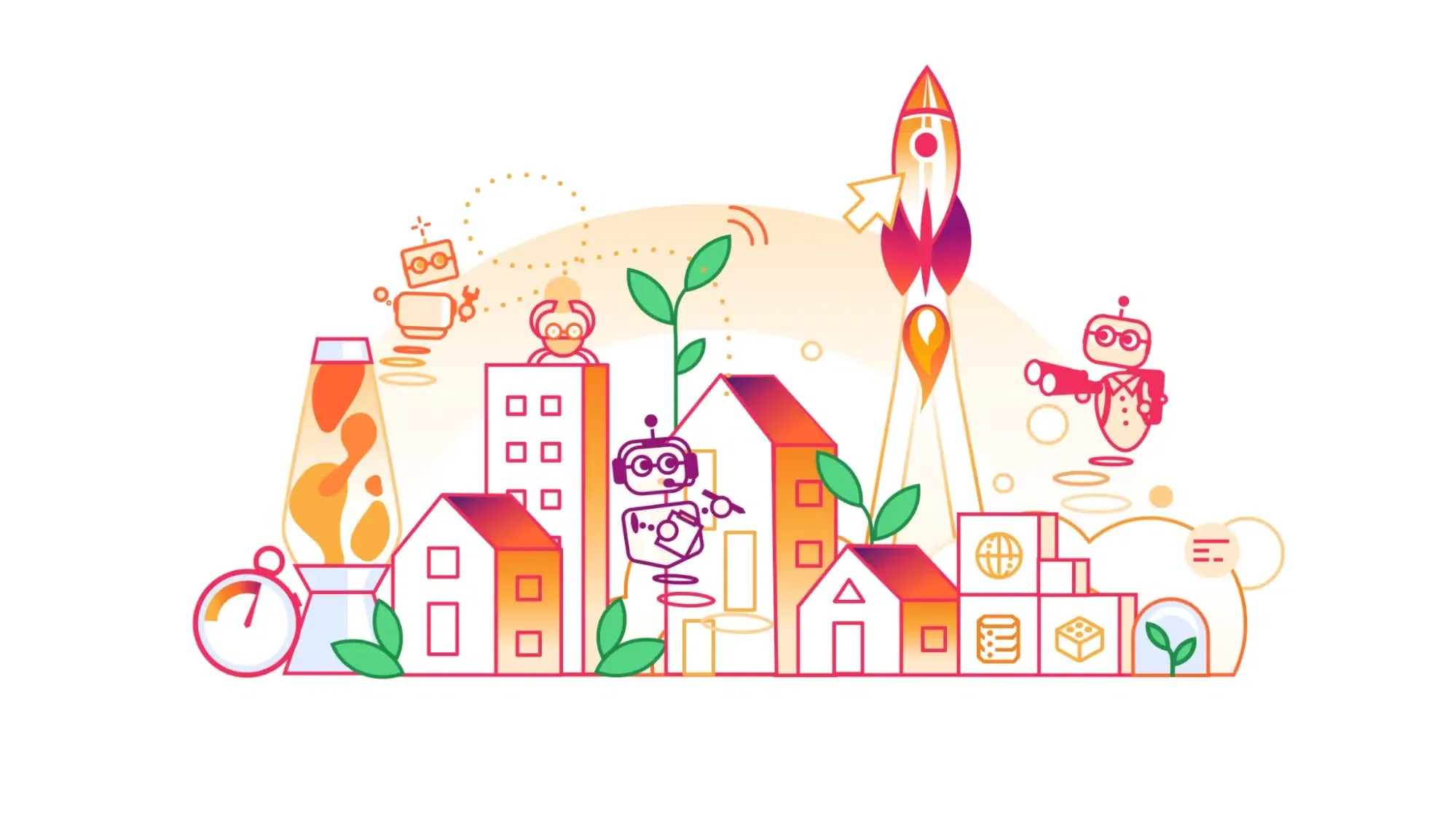
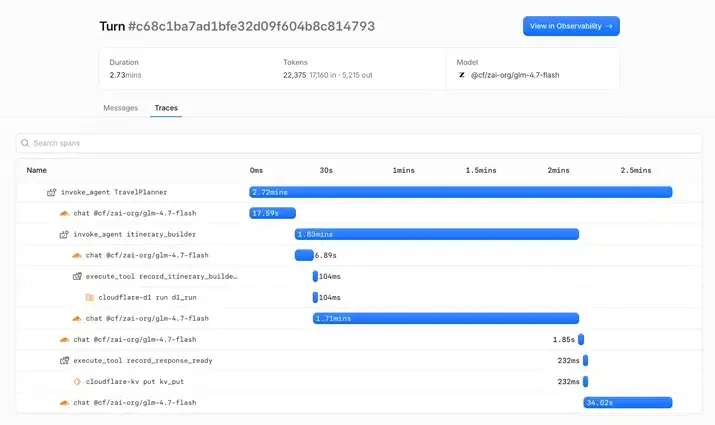
To address these operational challenges, Cloudflare launched its dedicated Agents platform on August 4, 2026, during its annual Agents Week, as detailed in the official Cloudflare Agents announcement. The platform provides first-party agent tracing compatible with OpenTelemetry standards. Developers building with frameworks such as Think, Flue, or the AI SDK can now track model invocations, tool executions, and token usage in real time, transforming unobservable black-box scripts into auditable engineering workflows.
Under-the-Hood Architectural Disconnection: Why Headless Agents Break Traditional Web Attribution
At the application layer, evaluating headless agent traffic requires a fundamentally different architecture than standard web requests. A standard browser navigation carries persistent cookies, local storage tokens, and detailed HTTP referrers. An autonomous AI agent, by contrast, executes stateless HTTP requests directly against endpoints or within isolated sandboxes, bypassing standard client-side tracking scripts entirely.
When an agent fetches content, calls an API, or initiates a task on behalf of a user, the standard web browser context is completely absent. Traditional tracking scripts cannot execute, ad impressions fail to register, and referrer headers are dropped. This creates an attribution gap where the initial discovery event performed by the agent is decoupled from the user’s subsequent application launch.
[Traditional Web-to-App Flow]
  User Browser ──> URL + Cookie ──> Referrer Header ──> App Store ──> App Launch (Context Intact)


[Headless Agent Flow (ADLC)]
  Headless Agent ──> Direct API Call ──> Missing Referrer ──> Deferred Deep Link ──> App Launch (Context Recovered)
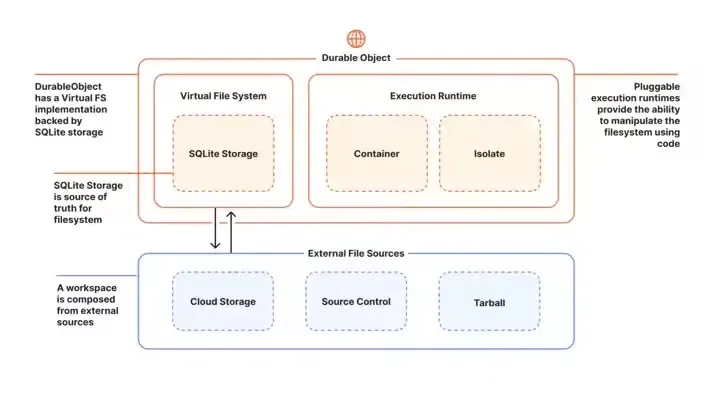
To support high-concurrency agent workloads without overwhelming compute resources, Cloudflare introduced the @cloudflare/computer package. Allocating a full Linux container to every user’s agent presents a massive hardware challenge at global scale. To solve this, the platform routes lightweight file edits and bash operations through V8 Isolates using Shell-to-JavaScript translation, reserving heavy container environments only when compiling native binaries or running full npm test suites.
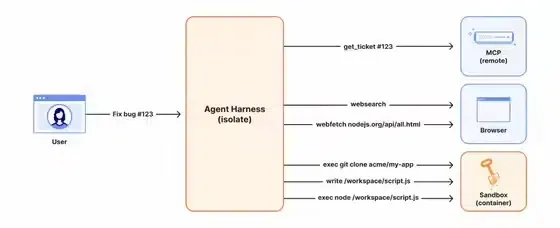
When an agent operates programmatically, this stateless execution environment presents immediate challenges for downstream attribution and session tracking. Because these headless calls lack persistent tracking cookies, standard measurement tools fail to match web interactions with app activations, accelerating the collapse of traditional client-side attribution models.
Build vs. Buy: Managing Context Preservation in the Stateless Agent Era
As headless agents replace traditional web browser redirections, preserving conversion context requires moving away from client-side cookies toward server-side deferred deep linking. When an agent interacts with a web service or initiates an installation flow on behalf of a user, client-side tracking parameters are frequently dropped. Moving state management away from constrained local resources toward scalable server-side infrastructure allows developers to maintain journey continuity even when interactions occur programmatically.
Engineering teams face a choice between building a custom context restoration service or integrating pre-built, hardened measurement frameworks designed for stateless environments.
| Attribution Approach | Browser Context | Agent Compatibility | Best For |
|---|---|---|---|
| Browser Cookie Tracking | Required | Fails in Headless Runs | Legacy desktop web environments |
| Custom Server-side Context Store | Not Required | Medium (High Engineering Overhead) | Custom backend microservices |
| Deferred Deep Linking Framework (OpoInstall) | Not Required | High (Server-side Context Matching) | High-concurrency mobile app and multi-platform campaign attribution |
Building a custom context restoration service requires ongoing engineering overhead to manage database schemas, handle parameter expirations, and secure cryptographic signatures against fraud. Depending on implementation requirements, organizations may build their own server-side parameter restoration service or adopt commercial platforms such as OpoInstall. For instance, OpoInstall offers server-side state restoration and parameter pass-through frameworks, mapping campaign parameters to a server-side session database to maintain session continuity anonymously, without relying on client-side cookies. By preserving user journey parameters on the server side, developers ensure that campaign contexts remain intact even when initial interactions occur through headless agents.
Integration Checklists: Hardening Attribution Pipelines for Agentic Execution
To adapt software architectures for the Agent Development Lifecycle and ensure reliable session preservation, engineering teams should follow a structured implementation schedule. Detailed setup steps can be found in the Cloudflare Developer Documentation.
Developer Implementation Checklist
- Detect Headless Agent Interactions: Configure API gateways to identify programmatic agent requests and route them to server-side context listeners.
- Preserve Execution Context: Capture campaign parameters and execution intent at the API level before the agent finishes its turn.
- Generate Signed Parameters for Deferred Deep Links: Use cryptographically signed parameters on all promotional links to prevent automated scrapers from spoofing referral data.
- Restore Context on First Launch: Implement server-side parameter pass-through to match initial agent requests with the user’s first mobile application launch.
Product & Growth Strategy Checklist
-
Audit Agent Telemetry in Dashboards: Monitor token usage, tool selection accuracy, and retry loops within dedicated agent views to optimize operational costs.
-
Shift to Server-Side Conversion Funnels: Replace browser-cookie dependencies with server-side parameter recovery to preserve attribution data during agentic user journeys.
-
Establish Permission Thresholds: Set explicit approval gates for high-impact tool executions, such as financial transactions or code deployments.
By establishing these technical safeguards, organizations can transition their infrastructure to support autonomous agent execution without sacrificing visibility or security.
Frequently Asked Questions (FAQ)
How does agent tracing differ from traditional application performance monitoring?
What is the difference between an Isolate and a Container in agent execution?
How can developers preserve attribution when headless agents replace standard web browsers?
Key Takeaways for Engineering Teams
As Cloudflare and other infrastructure providers roll out agentic platforms, the transition from human-centric web browsing to headless agent execution is reshaping user acquisition pipelines. Traditional attribution mechanisms that rely on client-side cookies and browser referrers can no longer sustain campaign visibility in an agent-driven web. To maintain growth, engineering teams must adopt server-side context restoration and deferred deep linking frameworks. Organizations that align their attribution architecture with stateless agent execution will be best positioned to scale in the ADLC era
Share this article