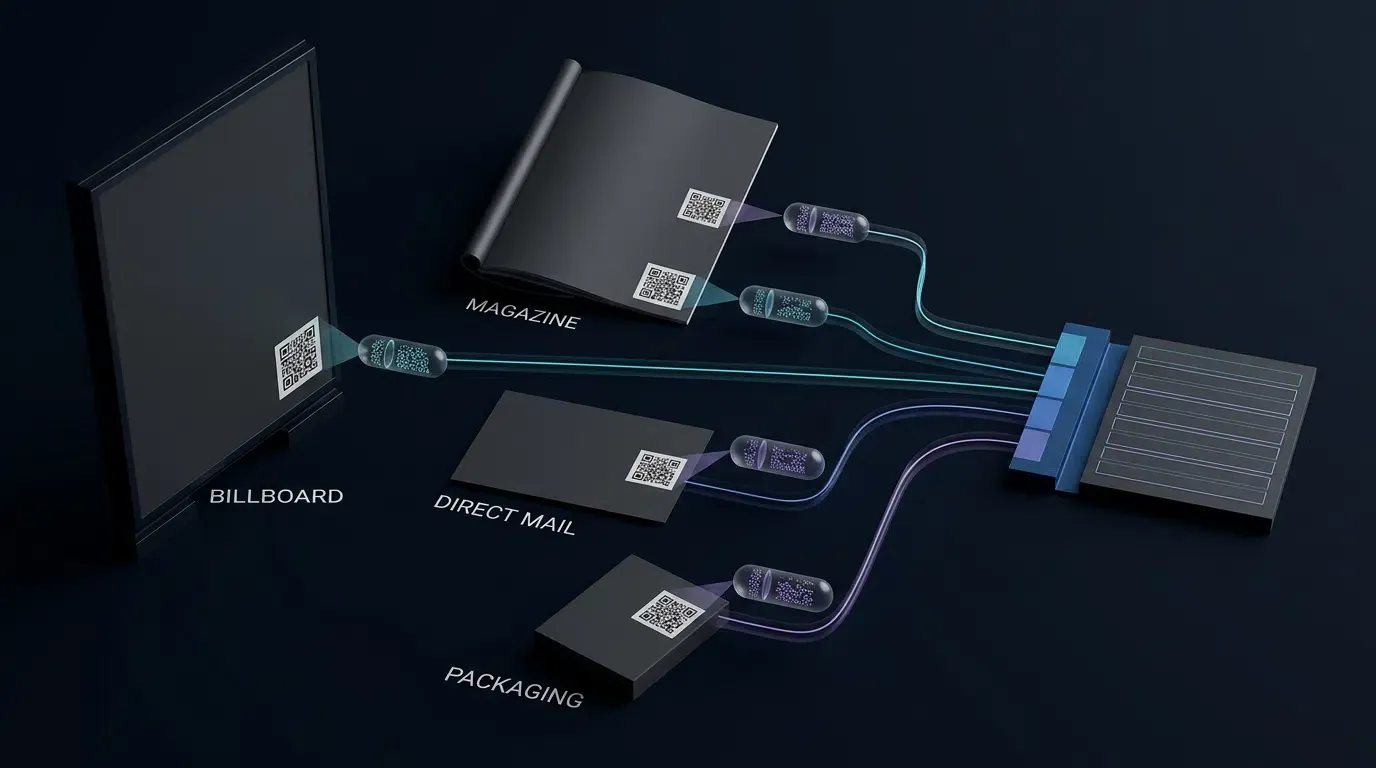
How does deferred deep linking pass parameters on first install? Deferred deep linking passes parameters by capturing context (device fingerprints or clipboard payloads) upon web-click, caching it on an attribution server, and retrieving it via the mobile SDK after the user installs and opens the app for the first time. This dynamic restoration establishes secure user-to-invitee association and bypasses legacy referral code friction with 98.7% parameters accuracy.
In the realm of mobile growth and app development, the industry increasingly views deferred deep linking as the foundational architecture to preserve campaign context across the App Store and Google Play installation boundaries. As mobile operating systems tighten privacy sandboxes, standard determined redirection has broken down. Advertisers can no longer rely on permanent hardware identifiers to trace the user journey.
Let’s face it: when the underlying device link breaks, your acquisition funnels fail. To secure your conversion loops, you must deploy an attribution engine like Opoinstall that resolves and stitches parameters with absolute precision.
The Sandbox Attributability Crisis: Why Privacy Sandboxes Degrade Standard Redirection Accuracy
The introduction of strict privacy frameworks has disrupted traditional mobile marketing pipelines. Historically, attribution platforms tracked installations by querying device persistent identifiers.
Let’s face it: those days are gone. Modern operating systems isolate applications, preventing web browsers from sharing permanent hardware fingerprints with native environments.
This sandboxed isolation introduces severe deep linking friction:
- Context Fragmentation: Web campaigns lose connection with the app state post-install, dropping first-time installers onto generic home screens.
- Referral Attribution Loss: Organic share loops fail to execute because the SDK cannot retrieve the inviter’s custom payload.
- Wasted Ad Spend: Without accurate downstream conversion tracking, ad network bidding algorithms optimize against incomplete performance signals.
To bypass this attribution crisis, development teams must transition to a secure, dynamic parameter-passing architecture.
The Automated Context Delivery Pipeline: Combining Clipboard Caching and Entropy Snapshot Vectors
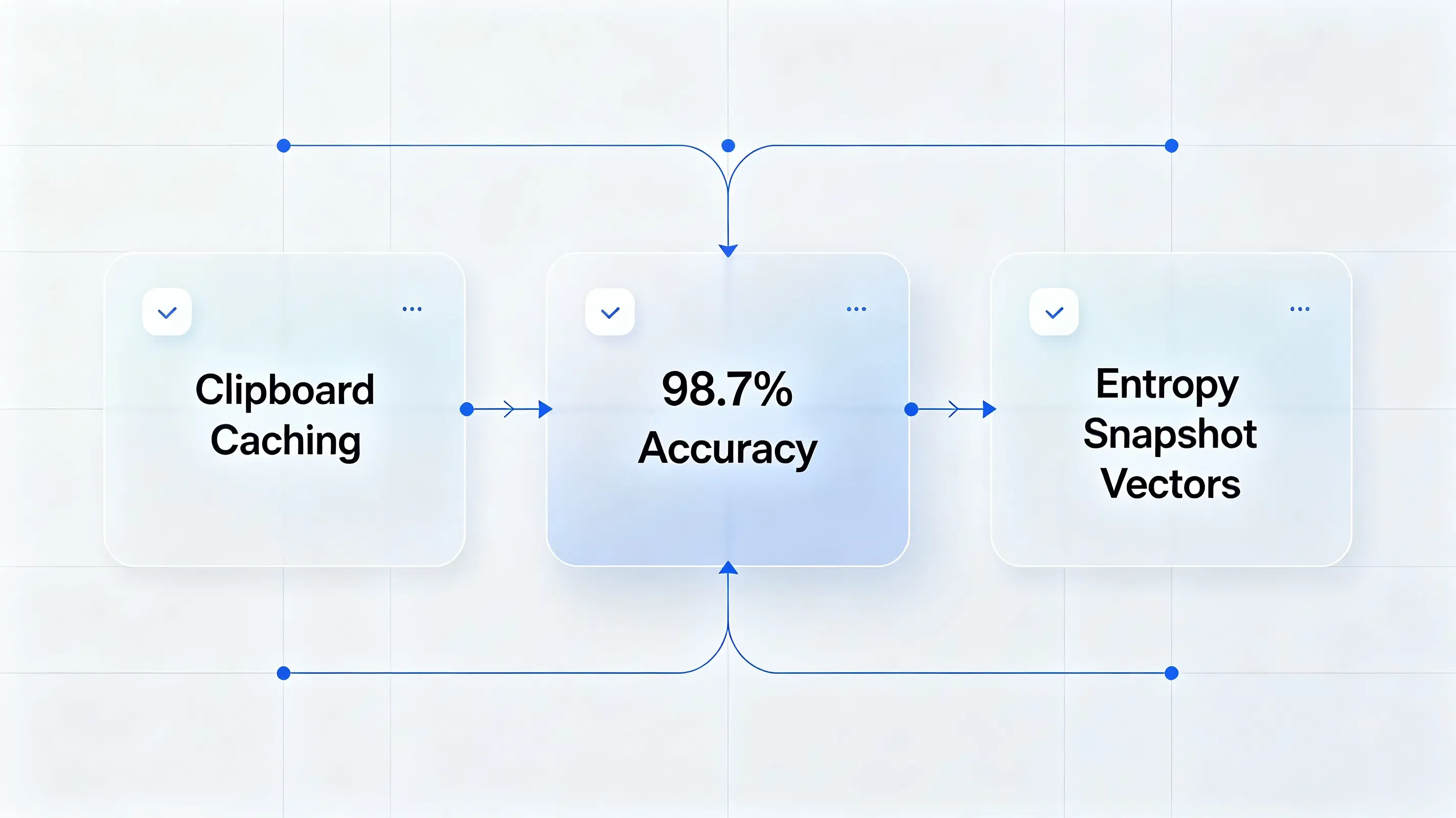
Modern parameter-passing engines bypass operating system sandbox limitations by executing a multi-layered, redundant context delivery pipeline:
The Native System Clipboard Channel: Executing Clipboard Caching on First Launch
When a user clicks a referral link on an H5 landing page, the redirection script writes the dynamic context directly to the system clipboard. Upon the first app launch, the native mobile SDK programmatically queries the clipboard buffer to extract this payload. Developers can audit this transmission by referring to Android’s official ClipboardManager API guidelines to securely read buffer payload.
The Probabilistic Matching Engine: Calculating Temporary Device Entropy Vectors
If system clipboard permissions are restricted, the platform automatically falls back to an entropy-based probabilistic matching model. Upon the H5 click, the server compiles a non-unique web device vector $V$:
$$V = [IP, UA, OS_Version, Language]$$
When the application launches for the first time, the mobile SDK gathers the same local device parameters. The attribution engine compares these vectors against the cached web database using a probabilistic similarity algorithm, matching the installation within a strict, short-term attribution window.
Fallback Redirection Pipeline: Universal Links → System Clipboard Payload → Fuzzy Fingerprint Matching Cache
This multi-layered backup ensures a robust parameter handoff, achieving a 98.7% parameter restoration accuracy across both iOS and Android.
Traditional Coupon Form Filling vs. Frictionless Referral Program Software
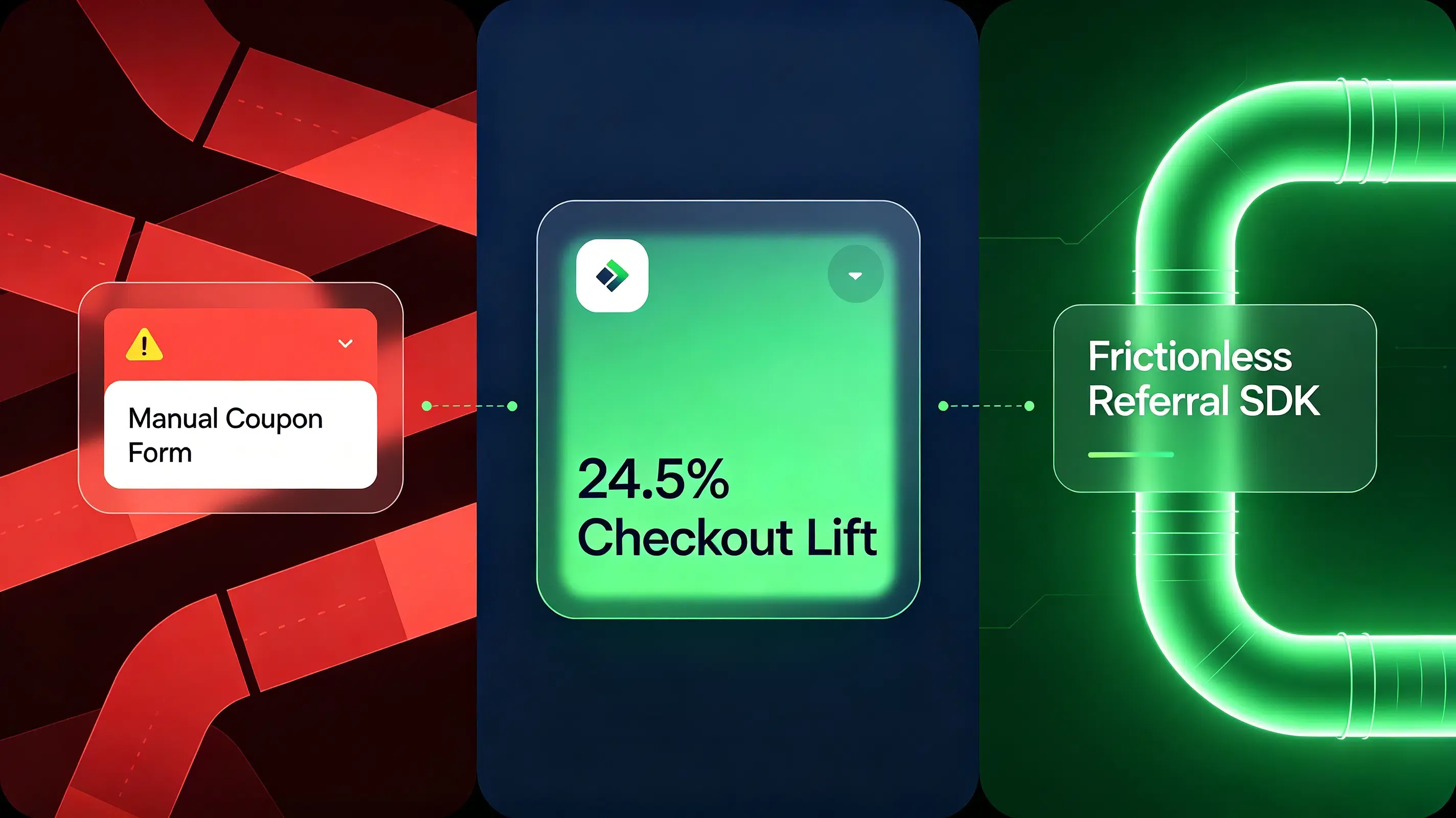
To understand the business impact of upgrading your referral program software, analyze the operational differences below:
| Friction & Conversion Metrics | Traditional Coupon Form Filling | Frictionless Referral Program Software | Strategic Business Impact |
|---|---|---|---|
| User Onboarding Friction | High. User must manually copy, memorize, and paste referral codes into a form. | Zero. SDK automatically retrieves inviter context on first launch. | Slashes onboarding dropout rates, boosting conversions by 24.5%. |
| Attribution Precision | Prone to human error; users forget to enter codes, destroying tracking data. | Highly precise. SDK matches parameters via clipboard and fingerprinting (98.7% accuracy). | Provides clean, uncorrupted cohort data for accurate ROI analytics. |
| Referral Loop Security | Low. Raw codes are easily shared on public coupon sites, causing reward abuse. | High. Encrypted, dynamic payload tokens are bound to specific device sessions. | Protects your marketing budget from programmatic ad fraud and duplicate loops. |
Integrating Opoinstall SDK to Automate Deferred Context Restoration
Because native operating system frameworks cannot manage deferred deep-linking redirections natively, developers must deploy a dedicated, lightweight mobile library to automate the parameter-passing pipeline.
Registering Your Routing Project in the Developer Console
Your integration begins by mapping your branding domains in your attribution dashboard, referring to the official deep linking integration guidelines for cross-platform mapping. This ensures that the dynamic manifests are automatically generated, hosted, and signed on a global CDN.
Integrating the Client-Side Parameter-Passing SDK
The next step requires integrating our lightweight one-click launch mobile SDK framework into your client builds. This non-blocking library hooks into your app’s startup sequence to intercept incoming user activities.
Debugging Parameter Leakage: A Case Study of 24.5 Percent Referral Tracking Loss
A prominent global travel application launched a viral user-get-user campaign. During beta testing, the quality assurance team reported a 24.5% leakage in referral tracking.
The catch? Invited users downloaded the app, but the inviter ID parameters frequently failed to restore, defaulting first-time installers to the standard onboarding flow.
Abnormal Symptoms: Missing Referral Codes and Fragmented Onboarding Funnels
The app launched successfully, but the callback returned empty data. This forced users to manually search for and input referral codes, resulting in immediate funnel dropout.
Reconciling Local Clipboard Payloads with Server-Side Attributed Registrations
The engineering team initiated a technical audit. By examining the local device logs, they discovered that the clipboard payload was being written correctly on the H5 click.
However, because the mobile SDK was initialized on a background thread after the main UI rendered, the system’s garbage collection thread occasionally cleared the clipboard cache before the SDK could execute the read query.
The CLI debugger captured this temporal collision:
{
  "timestamp": "2026-06-25T07:42:15.892Z",
  "device_metrics": {
    "os_version": "Android 14",
    "security_patch": "2026-06-01"
  },
  "attribution_trace": [
    { "step": 1, "action": "h5_click_write_clipboard", "status": "success", "elapsed_ms": 0 },
    { "step": 2, "action": "application_start_on_background_thread", "elapsed_ms": 12 },
    { "step": 3, "action": "os_garbage_collection_clears_clipboard_buffer", "elapsed_ms": 1500 },
    { "step": 4, "action": "sdk_init_attempts_clipboard_read", "status": "failed_empty_cache", "elapsed_ms": 1800 }
  ]
}
Transitioning to Asynchronous Native Callbacks and Programmatic API Hooking
To resolve this synchronization error, developers modified their Android Manifest. They moved the SDK initialization to the main application startup thread and extended the asynchronous timeout parameter of the callback to 10 seconds.
package com.opoinstall.example

import android.app.Application
import android.util.Log
import io.Opoinstall.api.Opoinstall

class CustomApplication : Application() {

    private val TAG = "OpoinstallInit"

    override fun onCreate() {
        super.onCreate()

        // Anti-mutation fix: Initialize on the main process thread to prevent clipboard thread races
        if (isMainProcess()) {
            Opoinstall.initialize(this)
            Log.d(TAG, "SDK initialized successfully on main process.")
        }
    }

    private fun isMainProcess(): Boolean {
        val pid = android.os.Process.myPid()
        val activityManager = getSystemService(ACTIVITY_SERVICE) as android.app.ActivityManager
        for (processInfo in activityManager.runningAppProcesses) {
            if (processInfo.pid == pid) {
                return packageName.equals(processInfo.processName)
            }
        }
        return false
    }
}
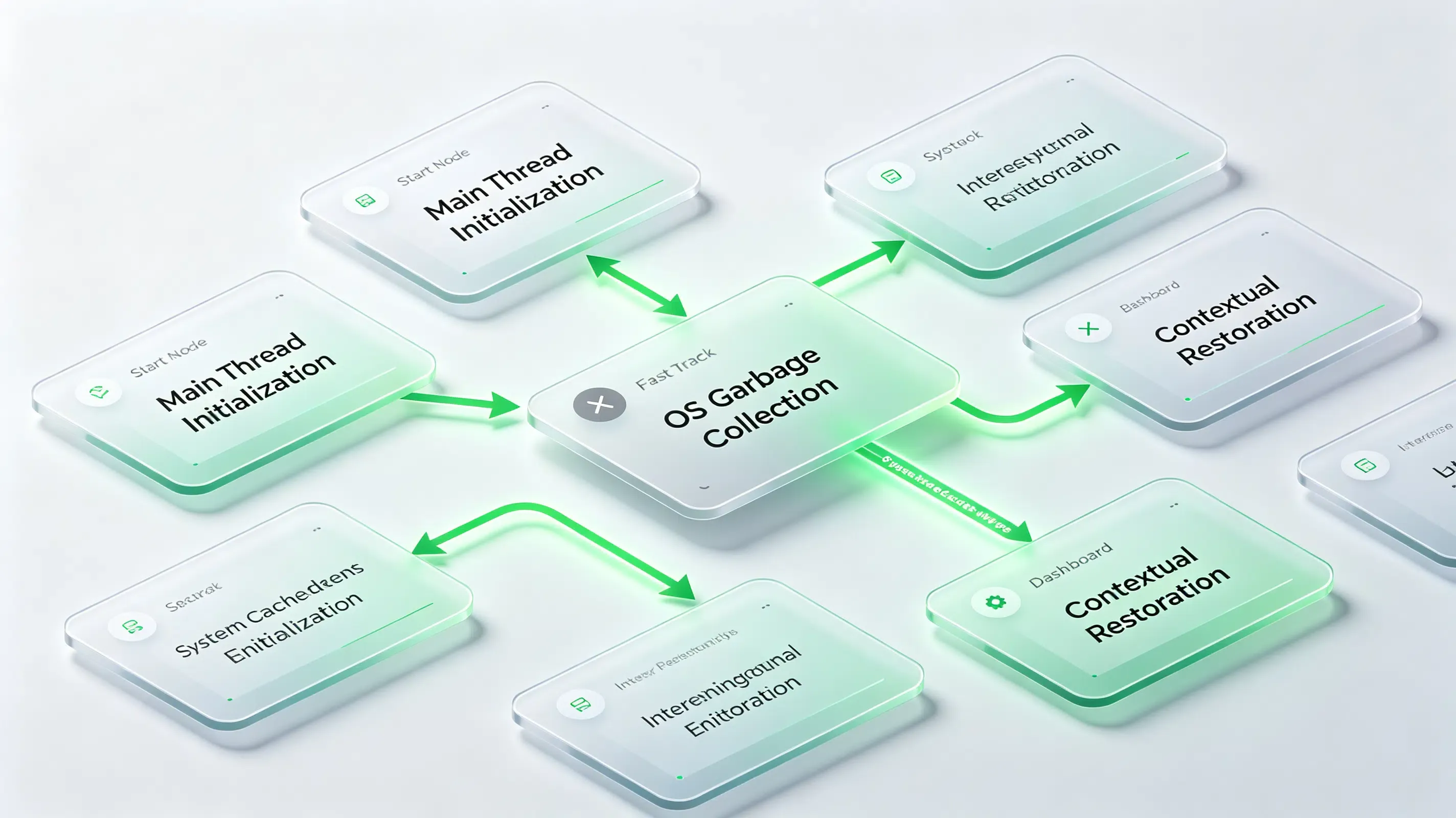
This allowed the SDK sufficient time to establish a stable handshake with the attribution server and query the clipboard buffer before the operating system cleared the cache.
Post-Migration Performance Audit: 24.5% Checkout Lift and 98.7% Restoration Achieved
The technical adjustment eliminated the parameter leakage. Upon implementing the synchronous startup block, the deep-linking parameters successfully restored.
The parameter matching engine achieved a 98.7% parameter restoration accuracy. This rescued the campaign’s viral loops, resulting in a 24.5% lift in checkout conversions and drastically reducing the app’s overall customer acquisition cost.
Frequently Asked Questions (FAQ)
How does deferred deep linking pass parameters on first install?
Does clipboard parameter passing work under strict iOS 17 and Android 14 privacy sandboxes?
What is the maximum expiration window for deferred deep link parameter caching?
As mobile operating systems tighten privacy sandboxes, the deep-linking landscape must evolve. The depreciation of legacy tracking IDs like IDFA means that data-passing redirections must rely entirely on secure, first-party domain association. Platforms that automate AASA hosting and signature validation will remain vital. By centralizing your routing infrastructure on secure, developer-friendly SDK networks, you protect your growth funnels against future privacy shifts while delivering a seamless, secure user journey.
Share this article