Recent industrial-scale deployments conclusively validate this strategic pivot. Specifically, at the Volcano Engine FORCE Power Conference on June 23, 2026, ByteDance officially unveiled its new flagship model. Consequently, this launch triggers a massive wave of automated workflows. For developer teams, the immediate challenge is managing massive system executions while ensuring robust integration. Crucially, the milestone of Doubao 2.1 Pro Debuts marks a major turning point in technical commercialization.
Deciphering Volcano Engine FORCE 2026: Doubao 2.1 Pro Debuts and the Great Compute Deflation
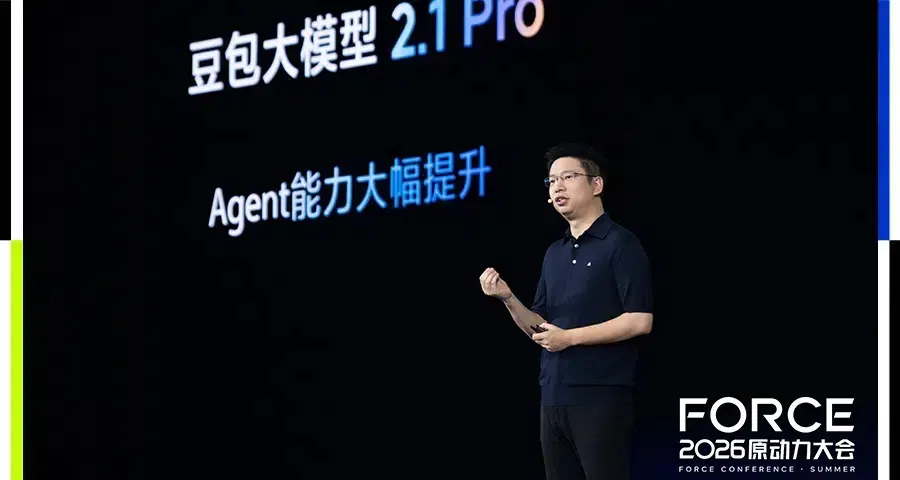
During the Volcano Engine FORCE Power Conference on June 23, 2026, ByteDance unleashed its massive model upgrades. Specifically, as Doubao 2.1 Pro Debuts, the introduction of this flagship model redefines the developer ecosystem. Furthermore, the conference showcased Seedance 2.5 and Seedance 2.0 4K variants. Consequently, these releases shifted commercial pricing dynamics in the MaaS field. Meanwhile, Volcano Engine President Tan Dai outlined a robust dual strategy. For instance, general users continue to access basic search, writing, and image generation for free. Crucially, paid enterprise workflows will transition to the professional office task mode. As a result, professional-level operations such as software development, data analysis, and scientific research gain high-end productivity.
High-Performance Silicon and Volcano Engine’s Commercial Strategy
Specifically, the pricing of the doubao-seed-2-1-pro-260628 model introduces unprecedented cost efficiencies. For example, input tokens cost only 6 RMB per million. Furthermore, cache hits drop to 1.2 RMB. Crucially, output tokens cost 30 RMB per million. Meanwhile, cache storage costs 0.017 RMB per million tokens per hour. Consequently, developers can scale complex operations without sudden budget depletion. As a result, the doubao-seed-2-1-turbo-260628 model offers an even more economical path. Specifically, it costs 3 RMB per million input tokens and 15 RMB per million output tokens. Furthermore, high-throughput scaling becomes highly feasible for enterprises. For instance, this pricing model drastically reduces unit economics.

From Brick Phone to Feature Phone: Tan Dai on Market Growth
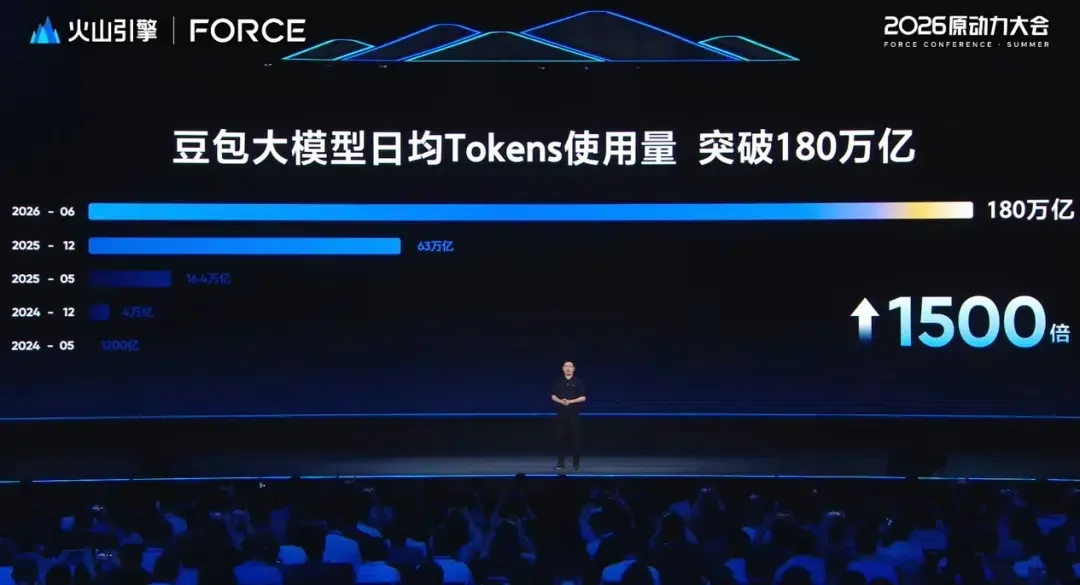
Meanwhile, Tan Dai described the state of MaaS growth with a fascinating analogy. Crucially, the milestone of Doubao 2.1 Pro Debuts establishes a new benchmark, moving the industry past the “brick phone” stage. Furthermore, the industry has now rapidly advanced to the “feature phone” era. Consequently, AI is no longer a niche toy but a serious production driver. As a result, Volcano Engine raised its MaaS revenue targets multiple times. Specifically, Tan Dai sets high goals at the beginning of the year. Furthermore, the team successfully achieves these targets by mid-year. Consequently, ByteDance’s daily token consumption has surged by 50% since late 2025. Crucially, usage has reached a staggering 180 trillion tokens per day. As a result, this represents an incredible 1500-fold growth compared to two years ago. Furthermore, trillion-club customers have doubled, now exceeding 200 enterprises. Consequently, this model has established its role as a premier enterprise workhorse. More details can be verified through 36Kr.
Pro Versus Turbo: Deep Analysis of Pricing Tiers
To meet the demands of rapid technical iterations, Volcano Engine introduced the Seed Evolving model. Specifically, this model adopts a dynamic update cycle, releasing at least one version update every single week. Furthermore, the Evolving series possesses advanced capabilities in task orchestration, long-range planning, and tool calling. Meanwhile, the newly launched Doubao Seed Character model focuses on conversational roleplaying and emotional depth. Crucially, it supports human-like natural chat, VLM multi-modal understanding of video, images, and memes, and function calls. Consequently, developers can build rich entertainment systems with minimal structural friction. As a result, this flagship intelligence layer is reshaping how software architectures consume intelligence. Further technical specifications are published on the official Seed Blog.
The Stealth Cost of Autonomous Agency: Doubao 2.1 Pro Debuts and the Emerging Attribution Crisis
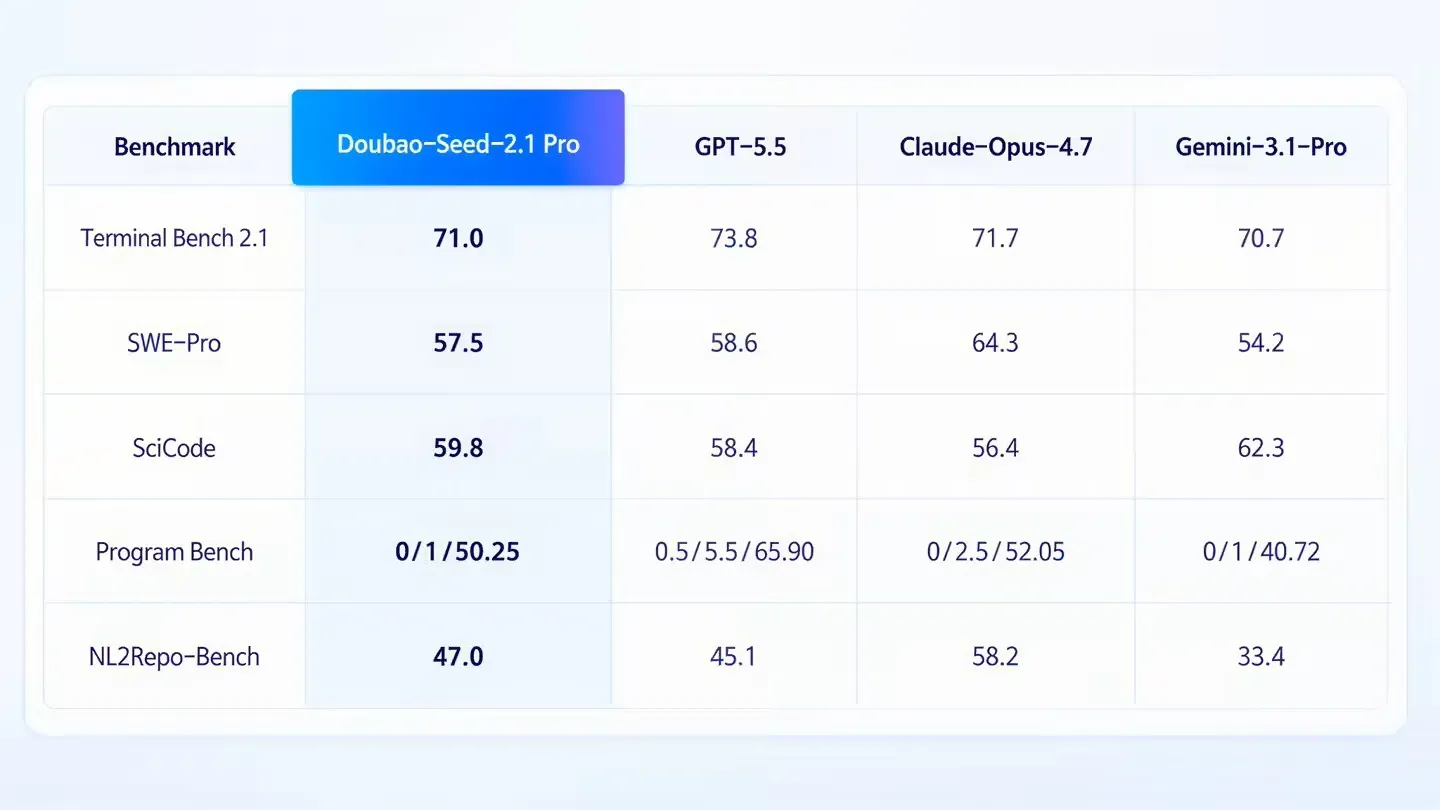
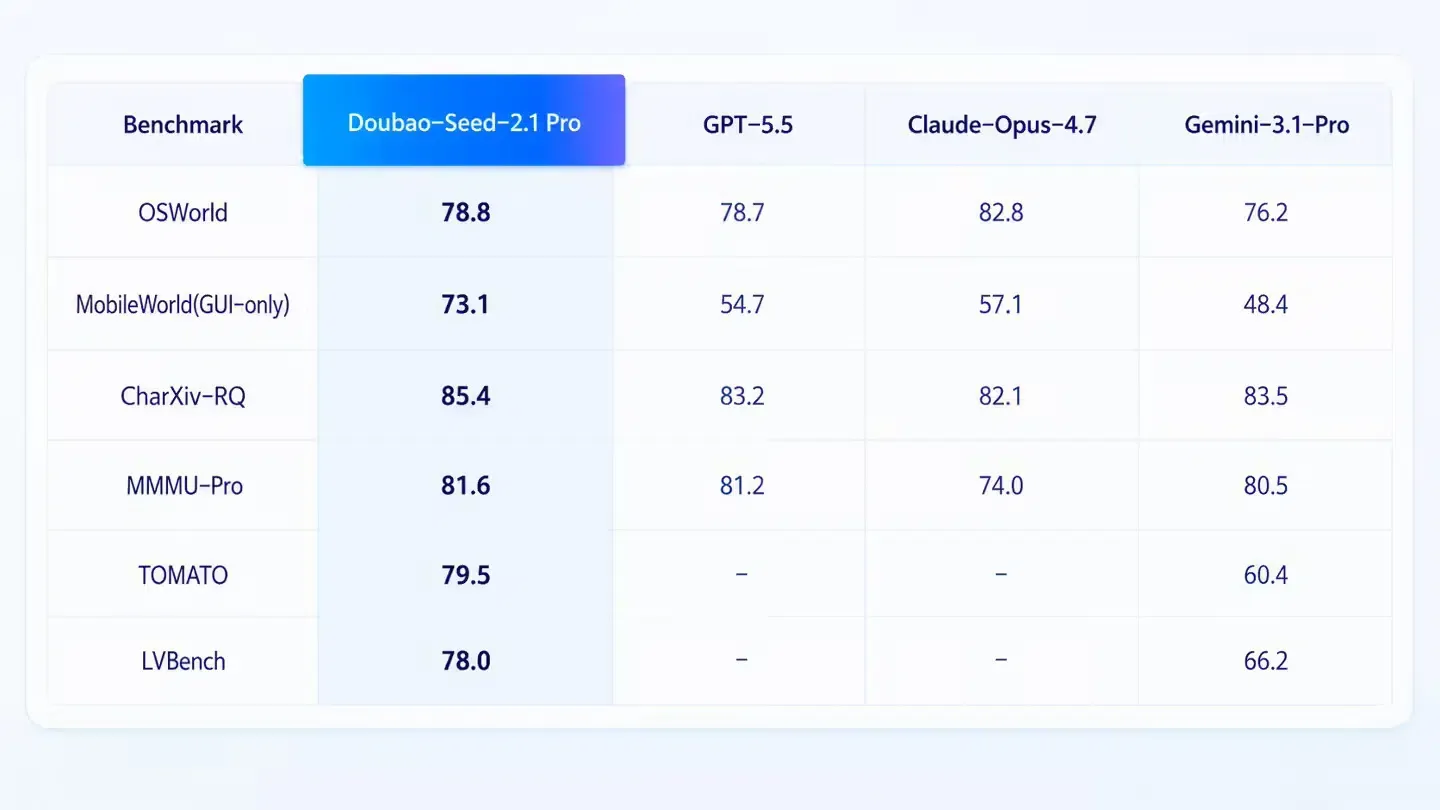
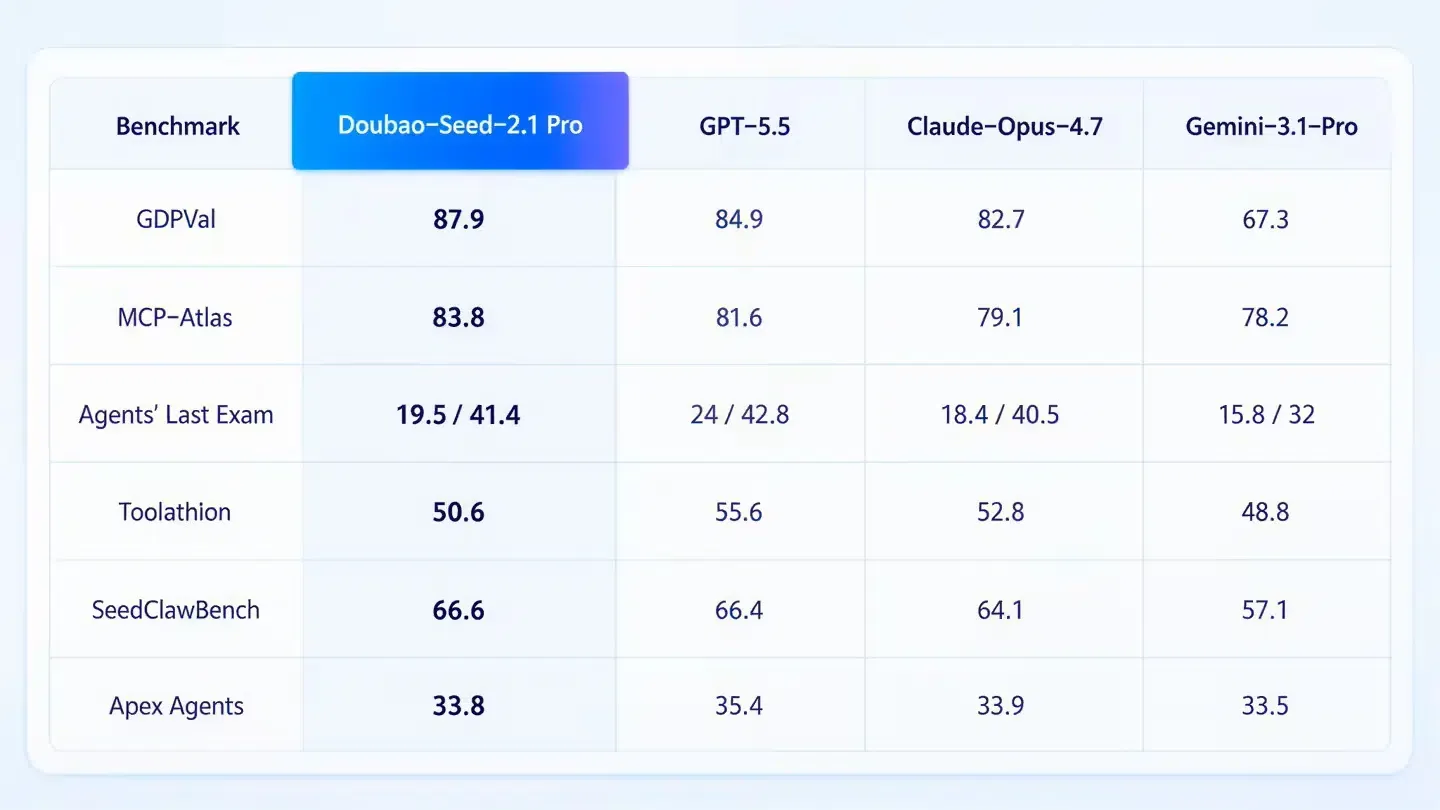
In the domain of coding and agent execution, the capabilities of the model have crossed a crucial usability threshold. Specifically, as Doubao 2.1 Pro Debuts on Terminal Bench, it matches Claude Opus 4.7 in handling long-range, complex tasks. Consequently, this technical parity allows the model to enter the core production links of modern enterprises. Meanwhile, technical reports indicate a major shift in how developers write code. For instance, before the emergence of top-tier model architectures, developers primarily pressed the Tab key for basic code completion. Crucially, after recent model upgrades, autonomous agents have taken the wheel, completing entire codebases through automated loops. As a result, this transition drives a sudden explosion of automated network traffic.
Reversing the Completing Paradigm: When Agent Execution Outperforms Pressed Keys
Furthermore, when thousands of autonomous agents execute tasks, they bypass traditional web browsers and direct user interfaces. Consequently, as Doubao 2.1 Pro Debuts, the shift toward background execution triggers a severe attribution crisis. Specifically, traditional attribution models rely on cookies, HTTP referrers, and UTM parameters to identify traffic sources. Meanwhile, agent-driven traffic is executed directly via APIs, which strips away standard tracking parameters. As a result, businesses experience massive data discrepancy, making it impossible to evaluate user acquisition ROI. Crucially, this data black hole prevents growth teams from optimizing their marketing campaigns.
Bot Swarms and the Ad Fraud Threat Vector
Furthermore, the availability of low-cost, high-performance tokens introduces a major security threat vector. For instance, malicious actors can deploy automated bot swarms to simulate organic interactions. Consequently, these bots can falsify app installs, execute fraudulent click spam, and trigger invalid conversion tracking events. Specifically, because the agent’s behavior mimics human decisions, traditional security thresholds cannot easily detect the fraud. As a result, developers face severe ad fraud risks, draining marketing budgets on non-existent traffic. Meanwhile, traditional software development kits (SDKs) designed for manual clicks struggle to cope with automated tasks. Crucially, this vulnerability exposes the urgent need for a more robust integration layer.
Reference Architectures & Engineering References: Doubao 2.1 Pro Debuts SDK Standards
To secure autonomous agent workflows and combat attribution discrepancies, software architects must implement standardized engineering safeguards. Specifically, we must adopt an “80/20” approach, where 80% of the architecture focuses on universal technical principles and 20% leverages proven tool standards. Furthermore, one of the most critical defensive measures is the design of Device State Locks. Consequently, these locks act as state machines that verify the unique hardware fingerprint during an installation or execution request. Meanwhile, when an agent triggers an action, the server validates the lock state to prevent session hijacking. For instance, if an agent clones the sandbox environment, the fingerprint check fails. Crucially, this hardware-level state verification acts as a primary filter against ad fraud.
Designing Secure Multi-Agent Identifiers
Furthermore, multi-agent sandbox isolation prevents cross-session contamination. Specifically, each agent execution flow is confined to a clean context. Consequently, variables and parameters are destroyed upon completion of the task. Meanwhile, cryptographic signatures are applied to all tracking parameters. For example, every transit URL contains a unique hash generated with private keys. As a result, intermediate scripts cannot tamper with the installation payload. Crucially, this engineering protocol provides an invalid traffic filtration architecture to block automated spoofing attempts.
Hardening Cryptographic Signatures in SDK Implementations
To avoid building these complex infrastructures manually, teams can integrate standard reference SDKs. Specifically, implementing an enterprise-grade campaign measurement standard allows developers to bridge the gap between automated task executions and marketing ROI. Furthermore, this integration allows the application to recover contextual parameters even when the user initiates the install from an external AI browser or agent portal. Consequently, the deferred parameter pass-through framework seamlessly reconnects the user’s intent with the newly installed application. Meanwhile, this deep link restoration occurs behind the scenes, providing a smooth user experience. As a result, the integration of a reliable mobile sdk ensures data consistency across the entire acquisition lifecycle.
Aligning Technical Teams: Doubao 2.1 Pro Debuts Implementation Across Nodes
Specifically, implementing workflows after Doubao 2.1 Pro Debuts requires close coordination between technical and marketing departments. Specifically, the engineering team must focus on standardizing unique identifiers and ensuring SDK compatibility. Furthermore, developers must design a robust bundle id policy to handle multiple multi-tenant deployments. Consequently, this prevents identifier clashes when the app launches across different regional stores. Meanwhile, technical architects must implement secure signature verification to prevent spoofing of the ios sdk and android sdk. For instance, the ios sdk must leverage secure universal links, while the android sdk should rely on verified app links. Crucially, these deep linking protocols ensure that the transition from a web-to-app flow is both secure and instantaneous. As a result, teams can prevent malicious scripts from hijacking the deep link generator.
Technical Considerations for Developers and Architects
Specifically, developers must implement unified multi-platform identifiers across the android sdk and ios sdk. Furthermore, maintaining bundle id consistency is essential for cross-store routing. Consequently, when the app launches via custom url scheme or universal links, the context is restored immediately. Meanwhile, signature verification must run at the gateway level to prevent malicious script injection. As a result, the engineering team can guarantee high-quality raw data for downstream systems using a standardized universal linking architecture.
Growth Strategies and Customer Acquisition Under Deflation
Specifically, growth leads must adjust their acquisition metrics to focus on real-time cohort analysis. Furthermore, utilizing deferred deep linking allows the design of customized onboarding flows. Consequently, when a referred user launches the app, referral tracking automatically attributes the conversion. As a result, brands can calculate exact customer acquisition cost (cac) and return on ad spend (roas). Crucially, this precise attribution filters out invalid automated traffic. Furthermore, this collaborative alignment ensures that this model drives both technical stability and measurable growth.
Frequently Asked Questions (FAQ)
How Does the Industry Respond When Doubao 2.1 Pro Debuts?
Why Does the Fact That Doubao 2.1 Pro Debuts Cause an Attribution Crisis?
What Role Do Cryptographic Signatures Play After Doubao 2.1 Pro Debuts?
The launch signifies a broader shift in the global technology landscape. Specifically, the traditional boundaries of operating systems and application distribution are beginning to dissolve. Furthermore, as intelligent agents take over execution tasks, the primary interface for users will transition from static screens to natural language dialogs. Consequently, traditional app stores will lose their monopoly over discoverability. Meanwhile, the industry will witness a rapid rise in dynamically generated, single-purpose micro-applications designed for immediate tasks. As a result, the demand for instant, zero-friction distribution will escalate dramatically. Crucially, developers who fail to adapt their attribution and security layers to this new agentic paradigm will find themselves blind to their true traffic sources.
Furthermore, the consolidation of model intelligence within a few global giants will raise severe compliance walls. Specifically, data privacy frameworks like SKAdNetwork and Google Privacy Sandbox will continue to tighten data access. Consequently, developers must prioritize first-party, deterministic data collection over probabilistic tracking. Meanwhile, the integration of secure, multi-touch attribution standards will become the baseline for any technical architecture. As a result, the era that Doubao 2.1 Pro Debuts represents not just a cheaper intelligence option, but the beginning of a completely new technical era. Crucially, organizations must rebuild their data pipelines today to remain competitive in this decentralized future.
Share this article