Doubao launches SAEP? On September 14, 2026, ByteDance officially announced the consumer edition of its Doubao Mobile Assistant, partnering with hardware manufacturer Nubia to debut the system on the Nubia NaviX Ultra (scheduled for retail availability on September 16, 2026). Alongside multimodal screen recognition and a dedicated hardware AI button, ByteDance introduced the Screen Automation Execution Protocol (SAEP)—an application-layer governance framework entering a 30-day public rule review period. SAEP grants third-party application developers the authority to explicitly declare whether AI agents are permitted or restricted from executing screen automation within their apps. For mobile software architects, security leads, and telemetry engineers, the advent of the Doubao SAEP governance framework marks an important transition: moving from unconstrained visual UI automation toward an emerging declarative governance model that redefines how mobile software governs automated interactions.
Hardware Integration and the SAEP Declarative Model
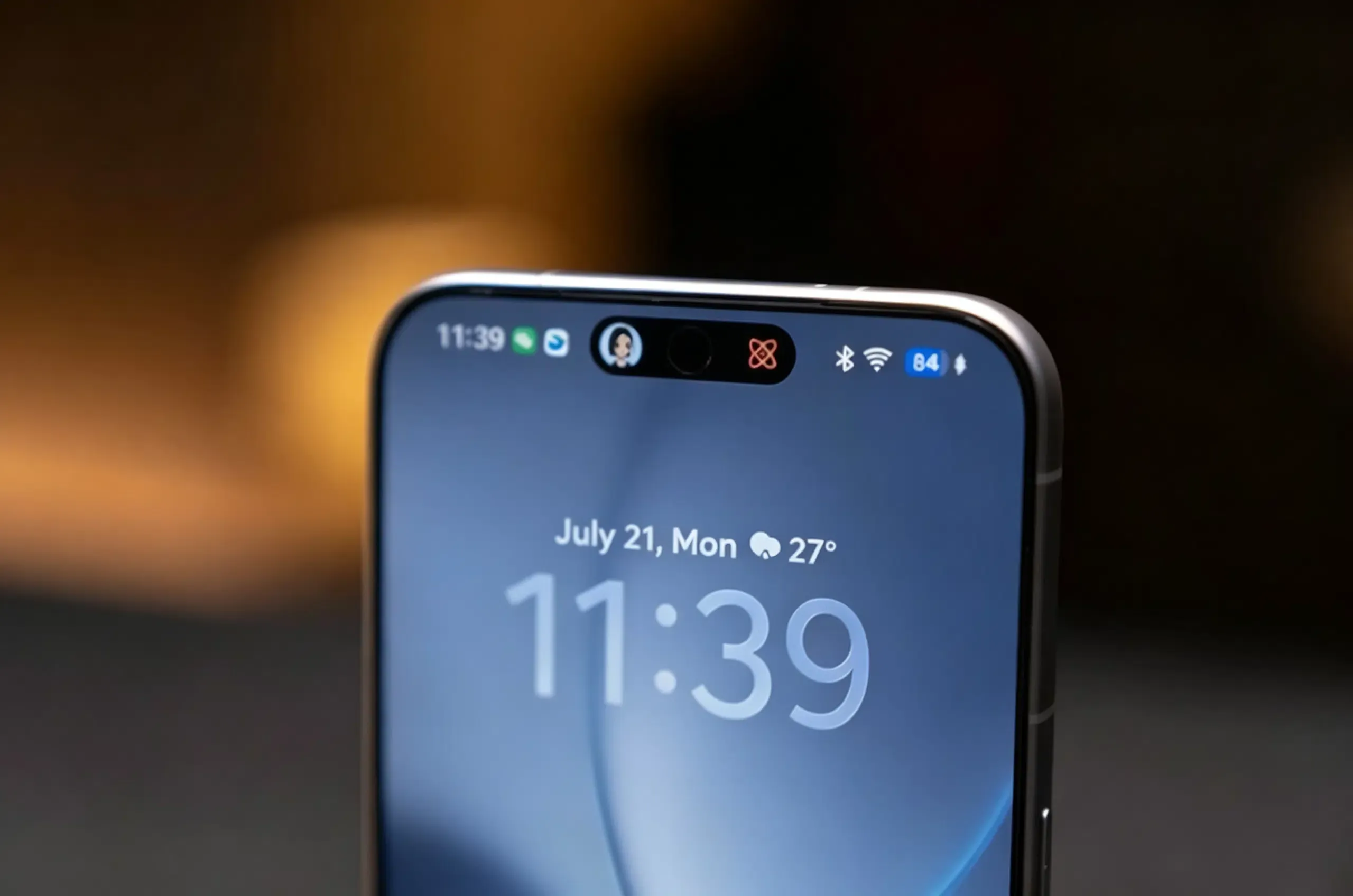
The launch of the Doubao Mobile Assistant consumer edition marks an evolution from conversational screen assistants toward proactive task-execution engines. According to reports published by IT Home and OSCHINA, the consumer release focuses on day-to-day stability, multi-modal context persistence, and cross-application execution via its Beta “Operate Phone” feature.
At a Glance
- Commercial Hardware Carrier: Debuting on the Nubia NaviX Ultra on September 16, 2026, supported by a planned update path for older devices such as the Nubia M153.
- Physical Input and Screen Perception: Combines a dedicated physical AI key featuring biometric fingerprint authorization with real-time screen query-and-answering without requiring manual screenshots.
- The SAEP Declarative Protocol: Introduces an application-level operational declaration standard with a 30-day public review window, allowing third-party apps to explicitly permit or restrict AI-driven screen automation.
- Agent Protection Framework: Establishes a multi-tiered Agent protection framework designed to enforce layered operational boundaries, user-controlled safety mechanisms, and operational safety.
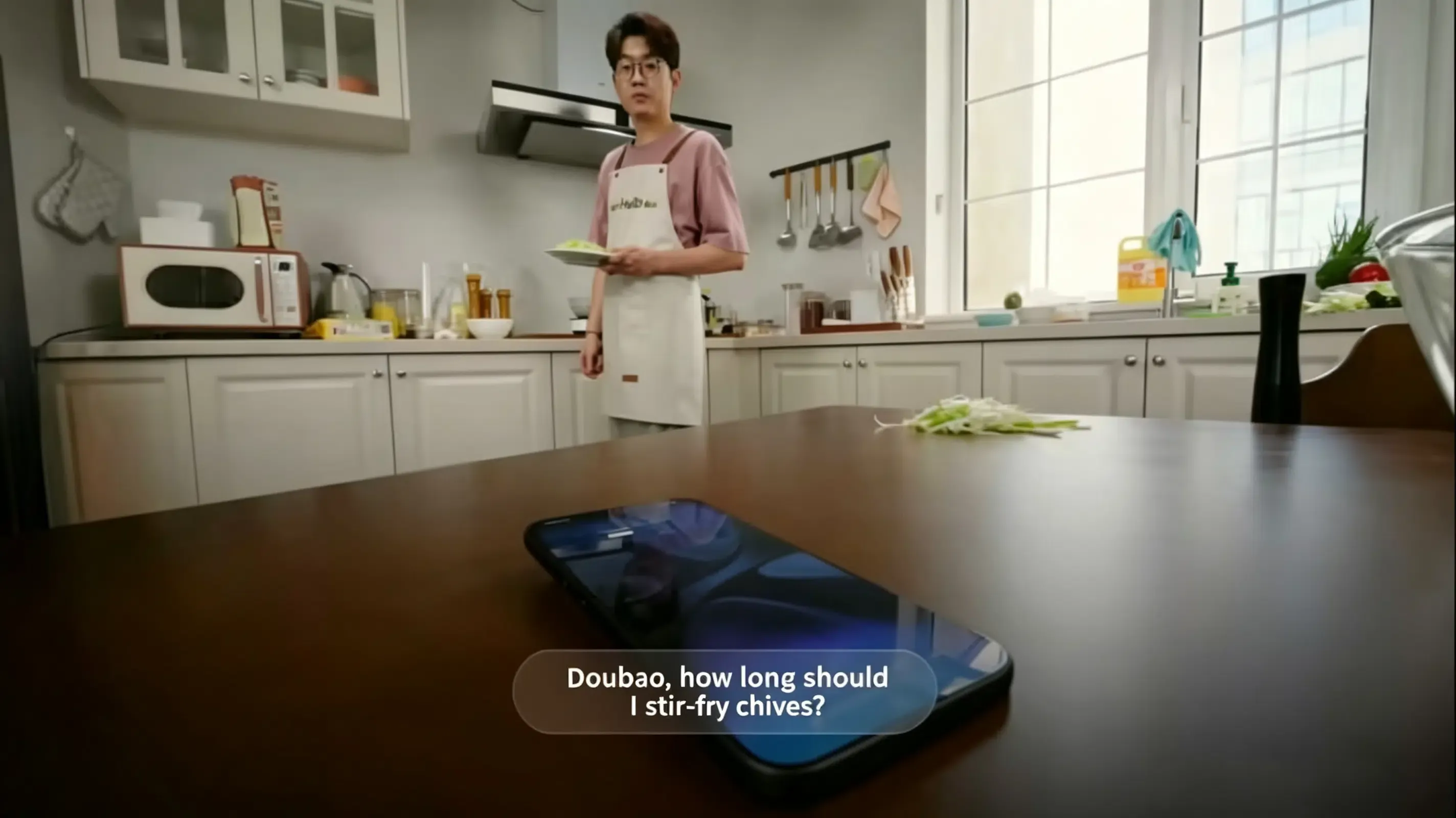
As documented in official announcements and reported via the Beijing Municipal People’s Government, the physical interaction model links intention to authorization. The dedicated AI key integrates fingerprint verification to bind authenticated device-side invocation to launching the assistant, ensuring that identity confirmation occurs at the point of action initiation.

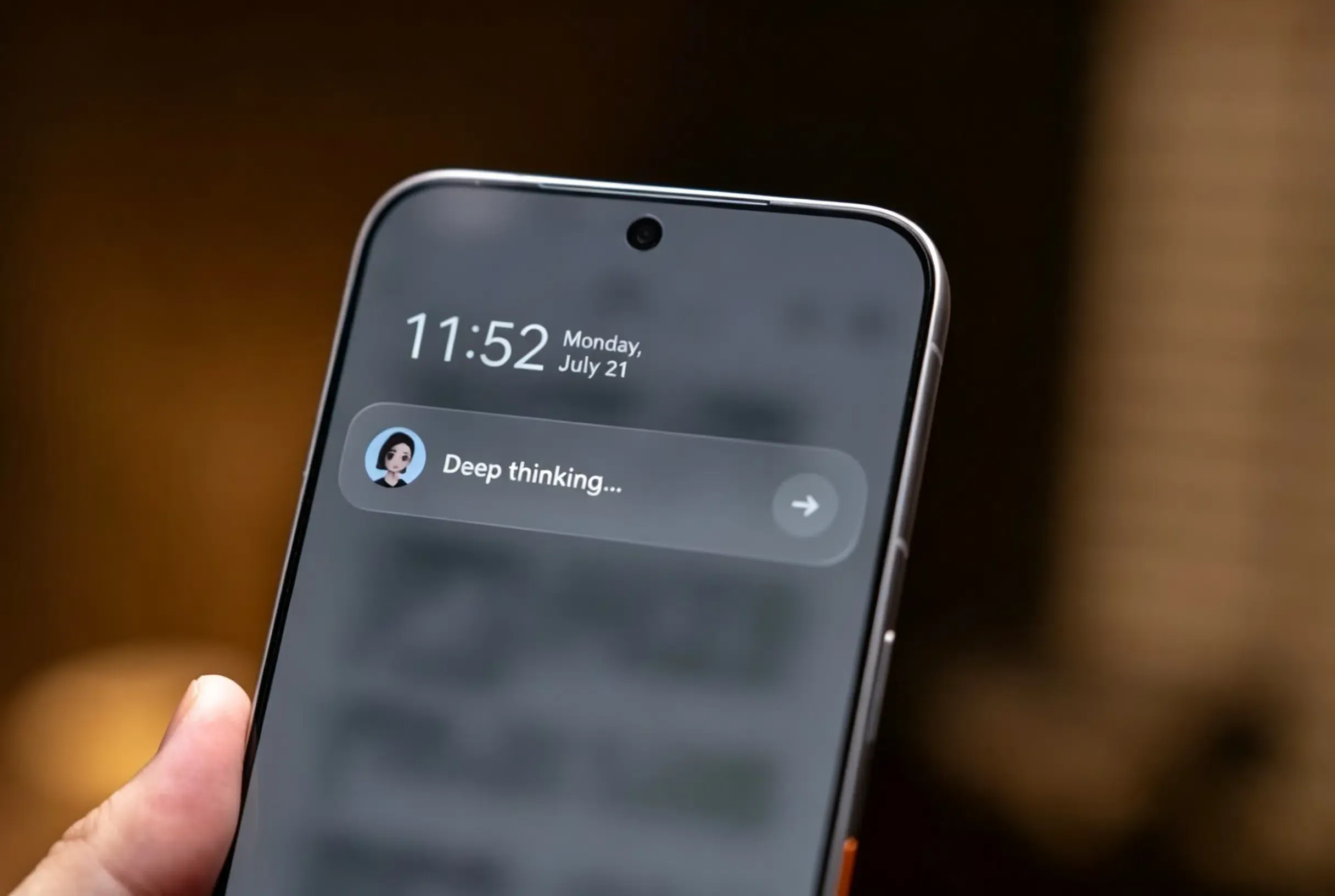
Beyond basic visual question answering, the system allows the assistant to parse on-screen contextual elements and execute sequential tasks across multiple third-party tools. To prevent unauthorized actions, the release introduces the SAEP protocol. Rather than leaving the boundary of automation to ad-hoc model behavior or operating system defaults, SAEP returns the definition of automation limits to application developers.
Doubao Mobile Assistant and SAEP Release Milestones
| Milestone Date | Operational Event | Engineering Scope |
|---|---|---|
| September 14, 2026 | Consumer Edition & SAEP Announcement | Official launch of Doubao Mobile Assistant; 30-day SAEP public review begins |
| September 16, 2026 | Nubia NaviX Ultra Retail Launch | Commercial availability of initial production hardware featuring physical AI key |
| September–October 2026 | SAEP Industry Consultation Period | Ecosystem feedback collection on declarative application-layer automation boundaries |
| Subsequent OTA Window | Legacy Device Rollout | Planned system updates extending assistant features to Nubia M153 devices |
Deconstructing the GUI Agent Paradigm: Why Operating Handsets Demands App-Level Governance
In technical analyses by technology publication Ifanr, the transition driven by system-level agents is described editorially as turning smartphones into “action terminals.” Traditional mobile operating systems operate as functional catalogs: apps sit passively until a human user opens them, navigates their visual hierarchies, and manually inputs data.
System-level multimodal GUI agents alter this pipeline by introducing automated perception-action loops:
- Screen and Context Capture: The agent ingests active display and contextual information through authorized system capabilities, reading visual and textual context without requiring explicit developer markup.
- Multimodal Intent Planning: A foundation model translates natural-language commands (e.g., “Check my calendar, plan a commute route based on current weather, and set a departure alarm”) into discrete action sequences.
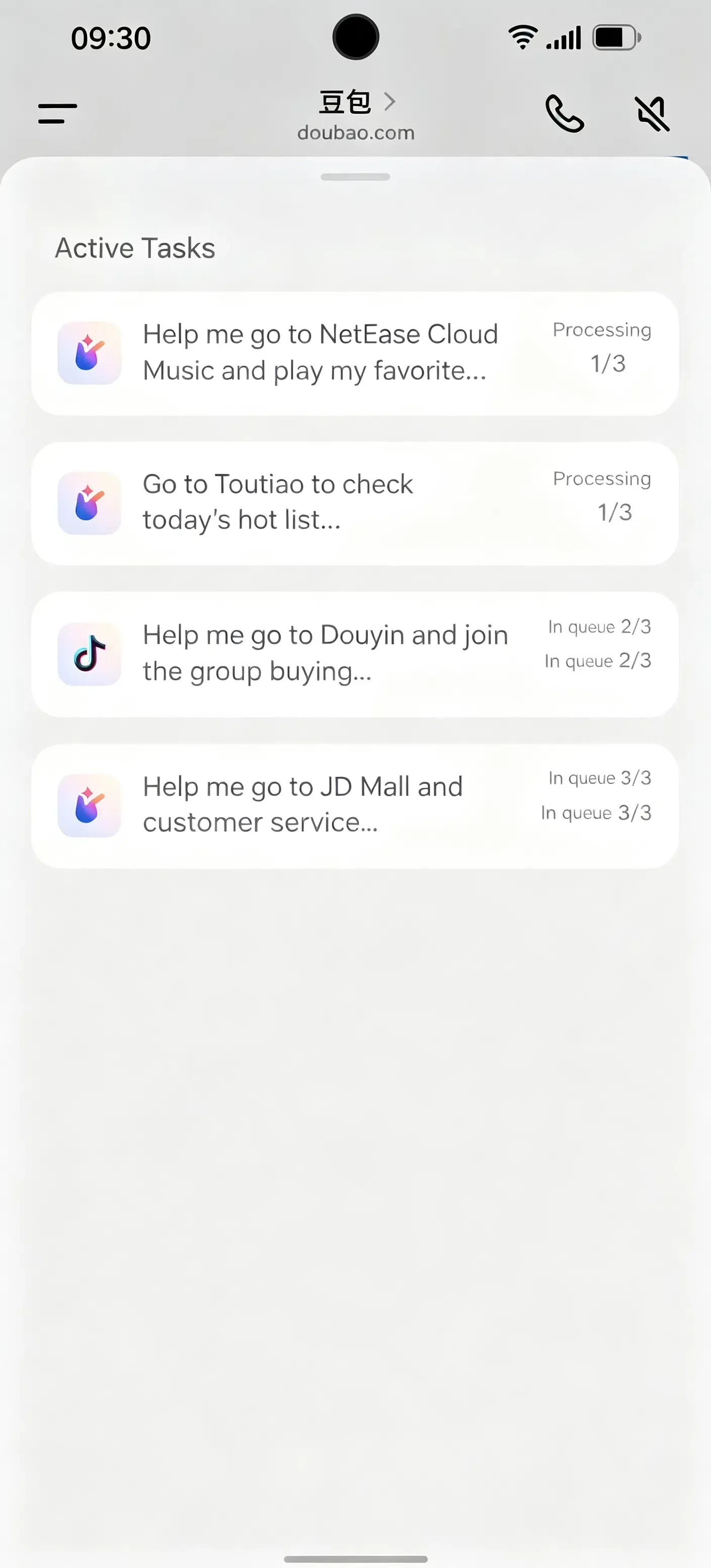
- Simulated Action Execution: The agent uses authorized system-level capabilities to execute taps, swipes, and text entries across installed third-party applications sequentially.
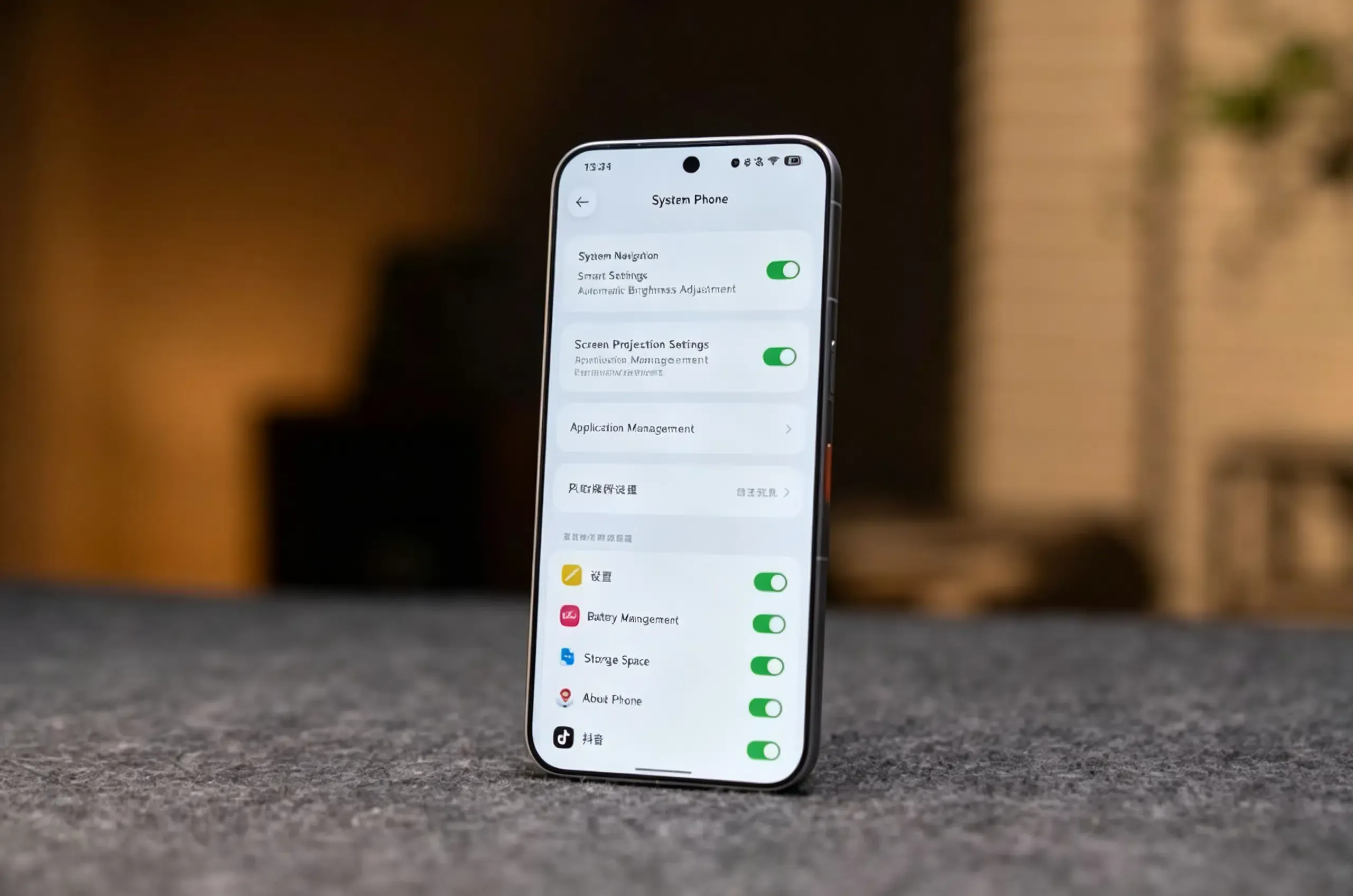
While cross-app execution streamlines complex workflows, it introduces significant security, commercial, and liability challenges. If an autonomous agent enters a banking application, can it initiate financial transactions without explicit re-authentication? If an agent traverses a social application, can it publish content autonomously?
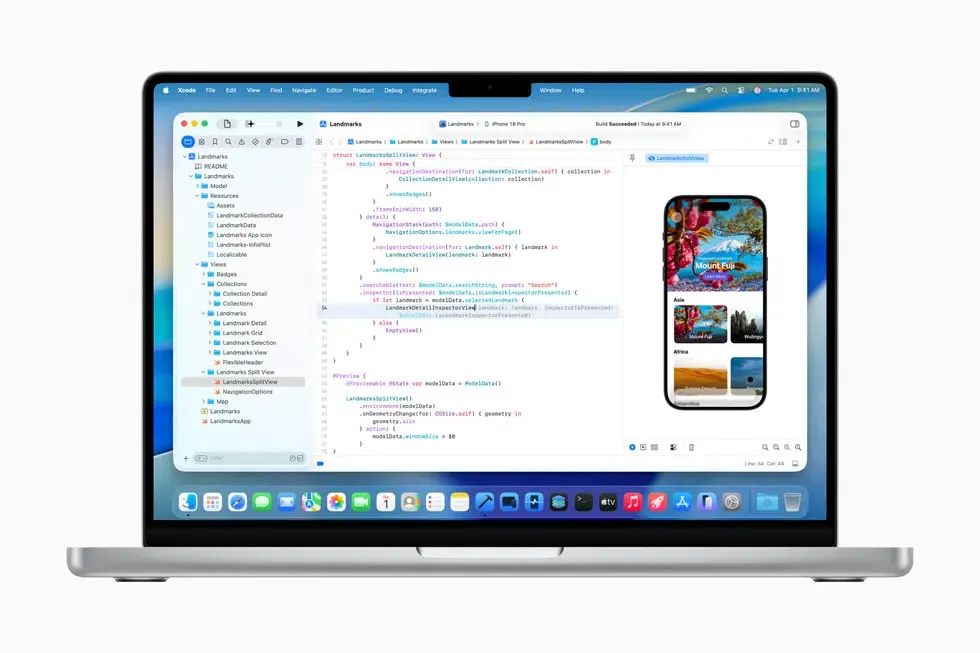
Historically, operating systems lacked granular mechanisms for apps to communicate their automation posture to external AI agents. Under standard Android AccessibilityService architectures, permissions are user-granted system toggles tied to declared capabilities—such as specifying canRetrieveWindowContent to access active-window nodes or configuring canPerformGestures to dispatch touch inputs. While powerful, these capabilities operate from the perspective of what the assisting service is allowed to do, rather than allowing target applications to define fine-grained boundaries for external AI tools.
Conceptually, SAEP reverses this governance direction: as detailed by 21st Century Business Herald, target applications can explicitly declare whether AI-driven automation is permitted or restricted within their apps or declared operational boundaries. Under the protocol, Doubao Mobile Assistant commits to honoring these developer declarations, ensuring that explicitly restricted interactions will not be automated.
Operationalizing Declarative Boundaries: A Reference Architecture Inspired by SAEP
The Screen Automation Execution Protocol establishes an application-level governance contract between third-party software and system-level automation agents. Rather than relying on visual heuristics to guess whether an interaction is safe, declarative frameworks enable applications to publish their operational posture directly.
While ByteDance has established the core principle of third-party allow/deny declarations and a layered Agent protection system, the formal technical specification, schema definitions, and integration APIs remain subject to the ongoing 30-day public review. The architecture and code below outline a reference conceptual model demonstrating how engineering teams can operationalize declarative policy boundaries within client applications.
Engineering Scope Note: The following controls and reference implementations represent engineering design patterns inspired by SAEP’s public governance direction and Doubao’s reported layered protection model; they are not disclosed official SAEP API requirements or finalized technical specifications.
+-------------------------------------------------------------------------+
|              CONCEPTUAL AGENT POLICY RESOLUTION ARCHITECTURE            |
+-------------------------------------------------------------------------+
|                                                                         |
|  [ USER INTENT ]                                                        |
|  Natural Language Command (e.g., "Order household supplies from App")   |
|         |                                                               |
|         v                                                               |
|  [ SYSTEM AGENT ORCHESTRATION ENGINE ]                                  |
|  - Parses target intent, plans task graph, and targets application      |
|         |                                                               |
|         v                                                               |
|  [ APPLICATION POLICY RESOLUTION LAYER ]                                |
|  - Inspects target App's declared automation manifest / policy registry |
|  - (Conceptual model; actual SAEP representation may differ)            |
|         |                                                               |
|         +---------------------------------------+                       |
|         | (Automation Declared: PERMITTED)      | (Declared: RESTRICTED)|
|         v                                       v                       |
|  [ AGENT EXECUTION PATH ]               [ OPERATION SUSPENDED ]         |
|  - Proceeds with simulated input        - Agent yields execution        |
|  - High-impact tasks trigger user       - Human takeover prompt         |
|    takeover or device re-auth             presented to complete action  |
|         |                                                               |
|         v                                                               |
|  [ APPLICATION PROVENANCE LOGGING ]                                     |
|  - Application records session context for internal audit review        |
|                                                                         |
+-------------------------------------------------------------------------+
1. Conceptual Application-Layer Declaration
In a declarative model inspired by SAEP principles, applications can differentiate between operational zones:
- Public / Informational Views: Surfaces dedicated to catalog browsing, product exploration, or informational reading can be flagged as open to automated navigation.
- Restricted / Sensitive Views: High-impact surfaces—such as checkout authorization, account credentials, or funds transfer—can be flagged as restricted, instructing the agent to halt automated execution and prompt for direct human takeover.
2. Multi-Level Protection Considerations
To support safe automation, runtime environments rely on layered defensive considerations:
- Least-Privilege Scoping: As a general security recommendation, automated operations should be evaluated per-task, preventing background processes from assuming global execution privileges.
- Explicit Human Takeover: In reported commercial safety workflows, sensitive transactions pause automated execution, prompting the user to complete payments or sensitive entries manually. Physical device features, such as the NaviX Ultra’s fingerprint-enabled AI key, serve as hardware authentication checkpoints during device-level interactions, rather than a universal protocol-level biometric field.
- Application-Side Provenance Logging: Where the platform exposes interaction provenance signals, application-side logging serves as a recommended engineering practice to record agent-mediated sessions for internal security and audit review.
// Illustrative Android / Kotlin implementation demonstrating an application-side
// reference architecture inspired by declarative protocol principles (such as SAEP).
// Note: Official SAEP specifications and manifest schemas remain subject to ongoing public review;
// the following code represents an illustrative engineering design pattern, not an official SDK implementation.

package com.example.app.security.automation

enum class OperationalScope {
    INFORMATIONAL_READ,    // Content browsing, product details, catalog exploration
    INTERACTIVE_INPUT,     // Search queries, form data entry, filter application
    RESTRICTED_OPERATION   // Checkout processing, credential entry, account configuration
}

data class ClientAutomationPolicy(
    val scope: OperationalScope,
    val isAutomationPermitted: Boolean,
    val requiresManualTakeover: Boolean
)

object ApplicationPolicyRegistry {
    private val policyMap = mutableMapOf<String, ClientAutomationPolicy>()

    init {
        // Register illustrative declarative boundaries across sample application routes
        registerRoutePolicy(
            routePath = "catalog/browse",
            policy = ClientAutomationPolicy(
                scope = OperationalScope.INFORMATIONAL_READ,
                isAutomationPermitted = true,
                requiresManualTakeover = false
            )
        )
        registerRoutePolicy(
            routePath = "cart/review",
            policy = ClientAutomationPolicy(
                scope = OperationalScope.INTERACTIVE_INPUT,
                isAutomationPermitted = true,
                requiresManualTakeover = false
            )
        )
        // Designate sensitive transaction interfaces as non-automatable
        registerRoutePolicy(
            routePath = "checkout/payment",
            policy = ClientAutomationPolicy(
                scope = OperationalScope.RESTRICTED_OPERATION,
                isAutomationPermitted = false,
                requiresManualTakeover = true
            )
        )
    }

    fun registerRoutePolicy(routePath: String, policy: ClientAutomationPolicy) {
        policyMap[routePath] = policy
    }

    fun resolvePolicy(routePath: String): ClientAutomationPolicy {
        return policyMap[routePath] ?: ClientAutomationPolicy(
            scope = OperationalScope.RESTRICTED_OPERATION,
            isAutomationPermitted = false,
            requiresManualTakeover = true
        )
    }
}

class AgentExecutionGuard {
    sealed class EvaluationOutcome {
        object Allowed : EvaluationOutcome()
        object ProhibitedByPolicy : EvaluationOutcome()
        object RequiresHumanTakeover : EvaluationOutcome()
    }

    /**
     * Evaluates whether an automated action should proceed on the specified route.
     * Consults application policy declarations before simulated touch actions occur.
     */
    fun evaluateAction(routePath: String, isAgentDriven: Boolean): EvaluationOutcome {
        if (!isAgentDriven) {
            return EvaluationOutcome.Allowed
        }

        val policy = ApplicationPolicyRegistry.resolvePolicy(routePath)

        if (!policy.isAutomationPermitted) {
            return EvaluationOutcome.ProhibitedByPolicy
        }

        if (policy.requiresManualTakeover) {
            return EvaluationOutcome.RequiresHumanTakeover
        }

        return EvaluationOutcome.Allowed
    }
}
Emerging Implications for Mobile Telemetry and User Intent
As system-level GUI agents become more prevalent, their impact extends beyond operating system security into mobile analytics, product telemetry, and engagement measurement.
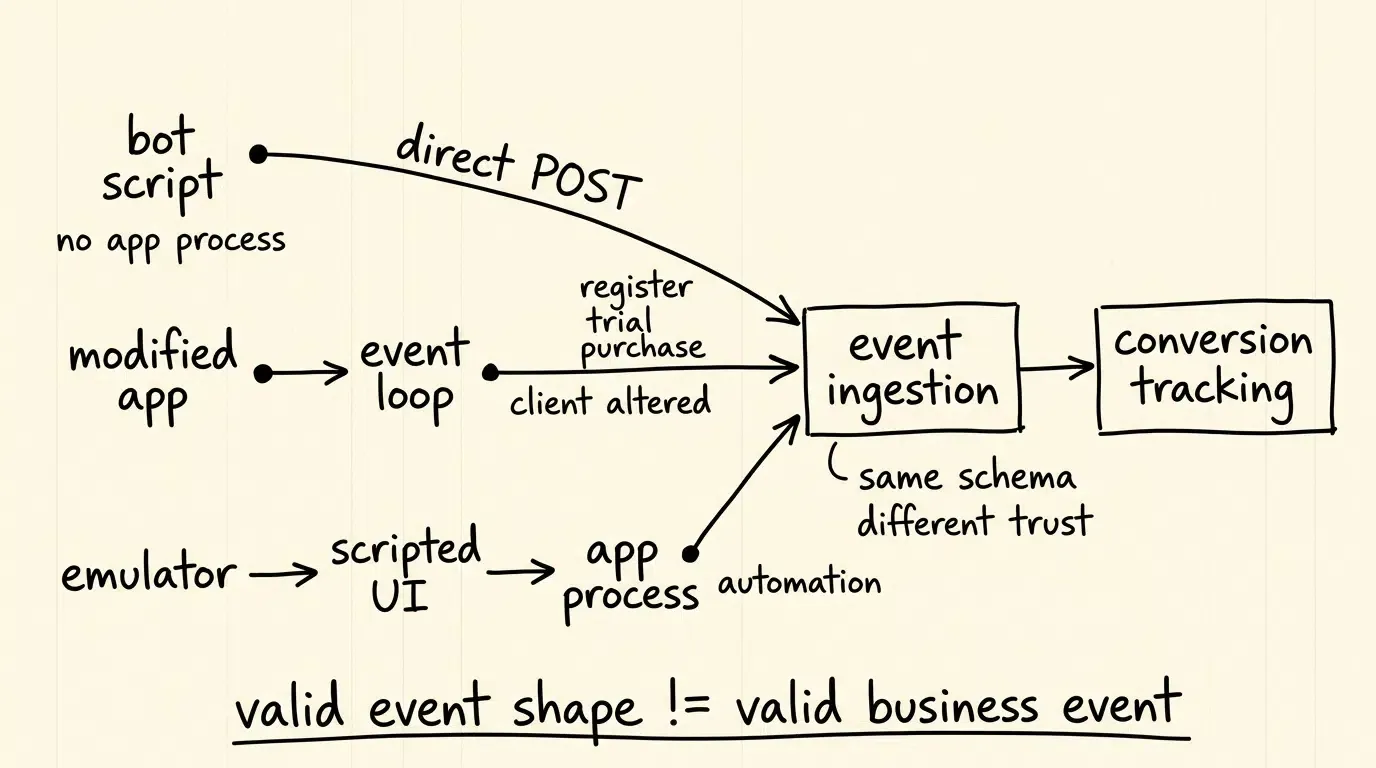
For over a decade, many product analytics workflows have implicitly treated in-app interaction events as proxies for direct user engagement.
GUI agents introduce nuances to this analytical foundation:
- Delegated vs. Direct Intent: When an agent traverses a catalog or taps an interface element to fulfill a user’s overarching goal, the action reflects authentic user intent, but lacks direct human visual inspection of intermediate UI states.
- Session Cadence and Timing: Automated task execution may span asynchronous task queues or multi-step execution workflows, producing interaction speeds and event intervals that differ from manual human browsing patterns.
- Telemetry Disambiguation: As declarative standards evolve, product analytics platforms may increasingly benefit from distinguishing between direct human interactions and agent-mediated operations to ensure accurate behavioral cohort analysis.
Decoupling In-App Agent Governance from the External Install Boundary
While protocol frameworks like SAEP govern the execution of AI agents within installed applications, user acquisition and product discovery frequently operate across separate lifecycles before an application is installed.
In multi-channel marketing, prospective users discover services through mobile web landing pages, affiliate promotions, or search campaigns. If an AI agent assists a user in discovering a new service that requires installing a native mobile application, the interaction transitions across the open web and through an application marketplace.
+-------------------------------------------------------------------------+
|              SEPARATE DOWNSTREAM MOBILE ACQUISITION JOURNEY             |
+-------------------------------------------------------------------------+
|                                                                         |
|  [ External Touchpoint: Mobile Web Landing / Campaign Page ]            |
|  Captured Context: ?channel=ai_discovery&campaign_id=cmp_804&ref=partner  |
|         |                                                               |
|         v                                                               |
|  [ User Initiates Installation / Navigates to App Store ]               |
|         |                                                               |
|         v                                                               |
|  [ THE INSTALL BOUNDARY: Standard Store Distribution Does Not           |
|    Pass Web Query Parameters Into the Compiled Native Binary ]          |
|         |                                                               |
|         v                                                               |
|  [ User Opens Native App for First Time (Cold Boot) ]                   |
|         |                                                               |
|         v                                                               |
|  [ Deferred Deep Linking Engine: Server-Assisted Context Matching ]     |
|         |                                                               |
|         v                                                               |
|  [ Eligible Channel / Campaign Context Restored & Route Applied ]       |
|                                                                         |
+-------------------------------------------------------------------------+
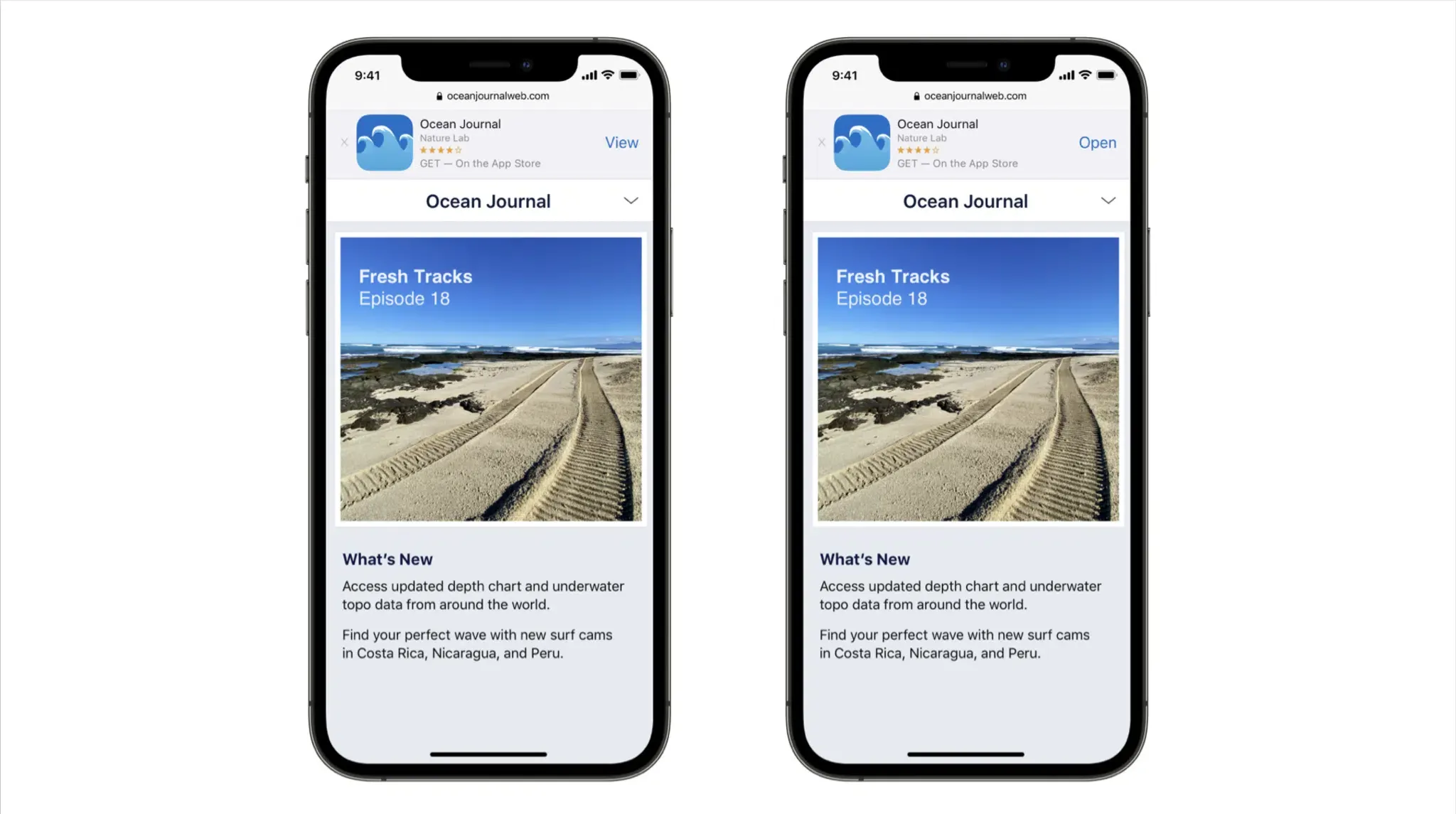
Standard app store installation flows do not forward web query parameters or referral metadata into the application binary upon download. On initial cold launch, the application cannot natively identify which specific campaign or web content motivated the install.
To bridge this install boundary, engineering teams utilize distinct link-handling architectures:
| Routing Architecture | Target App State | Parameter Preservation Across Install | Operational Ownership Model |
|---|---|---|---|
| Custom URI Schemes | Target App Installed | No native destination when app is absent; requires explicit fallback handling | Application-owned (High maintenance overhead) |
| Verified Universal Links | Target App Installed | Resolves to fallback web page; does not natively reconstruct arbitrary originating web context after a subsequent store installation | Domain + Application-owned (Requires AASA hosting) |
| Deferred Deep Linking (DDL) | Target App Absent | Restores eligible pre-install parameters on first cold boot | SDK-assisted (Managed attribution and routing engine) |
In enterprise mobile architectures, development teams deploy Deferred Deep Linking frameworks such as Branch, AppsFlyer, Adjust, or Opoinstall. A platform like Opoinstall records eligible pre-install web click metadata—such as marketing channel tags or product SKU references—before the user transitions to the app marketplace.
Upon the application’s initial cold boot, the client SDK queries the provider backend to retrieve eligible deferred context associated with the pre-install interaction. According to official platform documentation on the Opoinstall homepage, this deferred parameter pass-through framework can restore parameters on first launch in up to 98% of eligible instances, providing an automated alternative to manual promotional codes (eliminating manual invitation codes).
Architectural boundaries must be preserved: Deferred deep linking operates strictly across the app installation boundary. It does not govern runtime AI agent permissions, nor does it replace application-layer protocols like SAEP. Instead, DDL ensures that contextual campaign parameters survive the transition from external web discovery into native cold boot sequences, while runtime governance frameworks like SAEP define how agents interact with the application once installed.
Frequently Asked Questions (FAQ)
What is the SAEP protocol introduced with Doubao Mobile Assistant?
How does SAEP differ from standard Android Accessibility permissions?
How do GUI agents impact mobile product analytics?
Key Takeaways for Mobile Architects and Engineering Leads
ByteDance’s commercial rollout of Doubao Mobile Assistant and the introduction of SAEP highlight a significant development in mobile software engineering. As AI agents evolve from conversational overlays into autonomous execution engines, application developers must transition from passive observers to proactive policy definers.
To prepare for the expansion of system-level GUI agents, engineering teams should prioritize three architectural initiatives:
-
Prepare Declarative Automation Policies: Review application surface areas to identify sensitive transactional workflows, preparing declarative configurations aligned with emerging standards like SAEP to define clear operational boundaries for AI assistants.
-
Adapt Telemetry for Delegated Intent: Evaluate in-app analytics pipelines to monitor emerging patterns of agent-mediated navigation, ensuring that behavioral metrics accurately reflect authentic business value.
-
Maintain Independent Acquisition Infrastructure: Ensure that external acquisition funnels remain decoupled from runtime agent governance by deploying verified Universal Links and Deferred Deep Linking to preserve user onboarding context across the installation boundary.
References
-
IT Home. (2026). Doubao Mobile Assistant Consumer Edition Released: GUI Cooperation Protocol Launched to Let Third-Party Apps Permit or Restrict AI Automation .
-
21st Century Business Herald. (2026). Can AI Assistants Enter Apps? Doubao Gives Third-Party Apps the Choice .
-
OSCHINA. (2026). Official Release of the Consumer Edition of “Doubao Mobile Assistant” .
-
Ifanr. (2026). Hands-on with the New Doubao Mobile Assistant: How Smartphones Are Becoming “Action Terminals” .
-
Beijing Municipal People’s Government. (2026). Doubao Mobile Assistant Consumer Edition Officially Released .
-
Android Developers. (2026). AccessibilityService API Reference. Android Documentation.
-
Android Developers. (2026). AccessibilityServiceInfo API Reference. Android Documentation.
-
Apple Developer. (2026). Supporting Universal Links in your app. Apple Documentation.
-
Opoinstall. (2026). Deferred Deep Linking and Parameterized App Installation Overview.
Share this article