Google Cancels AI Studio App? Google has announced a new strategic direction that consolidates its standalone AI Studio mobile application directly into the main Gemini app across mobile and desktop platforms. Despite accumulating roughly eight hundred thousand pre-orders across iOS and Android in over one hundred and sixty-eight countries, the company decided to cancel the dedicated mobile client just a day before its expected launch. As generative artificial intelligence changes how web content and applications are consumed, major platform owners are shifting away from fragmented utility apps toward unified, conversational creation hubs to reshape how applications are discovered, linked, and launched across mobile ecosystems.
Why Google Cancels AI Studio: Consolidating App Creation into Gemini
At a Glance
- Google officially scrapped the standalone AI Studio mobile app across Android and iOS despite securing nearly 800,000 pre-orders globally.
- The company is integrating its prompt-to-app prototyping, Kotlin Jetpack Compose generation, and testing capabilities directly into the main Gemini application.
- The web-based developer portal at aistudio.google.com remains fully active as the primary environment for complex, production-grade desktop prototyping.
The distribution strategy for consumer and developer software is undergoing a significant transition. For several years, tech giants responded to emerging technology trends by launching standalone, single-purpose mobile applications. When Google unveiled plans at its developer conference to launch a dedicated mobile version of AI Studio, the industry expected a pocket-sized workspace where creators could draft prompts and generate native Android code on the go.
However, operating multiple standalone applications creates user friction and fragments the brand experience. Maintaining separate codebases for individual AI utilities increases platform maintenance overhead and confuses newcomers attempting to choose between different developer tools. These structural challenges led Google to re-evaluate its mobile software layout, as detailed in early Android Headlines coverage.
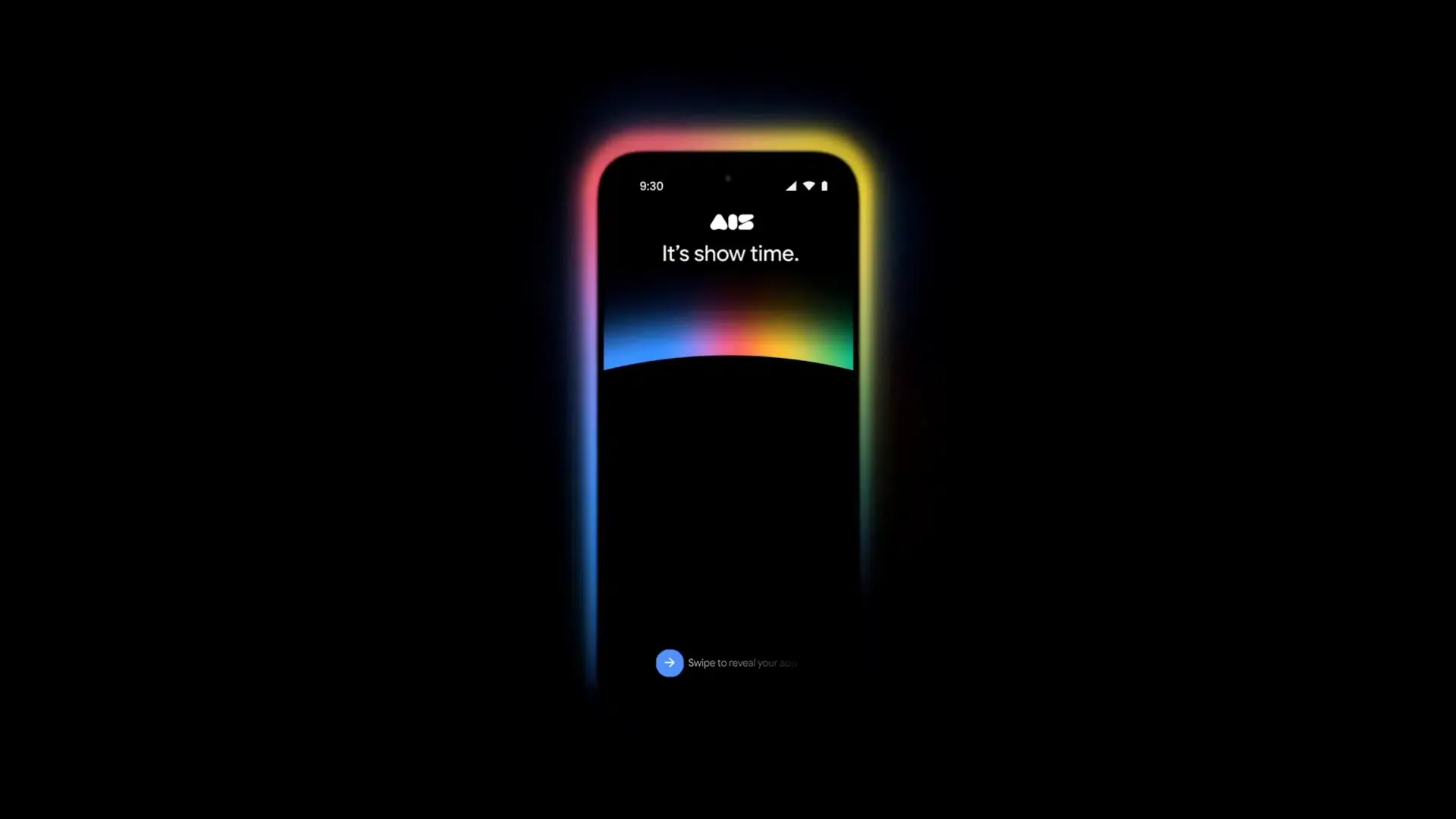
This decision reflects a broader industry trend toward unified conversational hubs. The official team confirmed that rather than forcing users to download another standalone tool, they are partnering with the Gemini team to deliver in-chat app creation. Under this new model, software generation occurs organically during conversations with Gemini. When Google Cancels AI Studio as an independent mobile download, it signals that major platform owners prefer converting their primary AI assistants into all-in-one execution environments rather than populating app stores with separate utility apps.
Technical Deep Dive: How Conversational Super Apps Reshape App Discovery and Traffic Entry
The fundamental driver behind this strategic pivot is the rise of Generative User Interfaces (Generative UI) and conversational super apps. Traditionally, software distribution relied on the app store model: a developer built a fixed application, published it to a public catalog like the Google Play Store or Apple App Store, and users downloaded the compiled package to their local storage. In a generative UI paradigm, however, the model writes native Jetpack Compose or dynamic interfaces on the fly in response to a natural language prompt, rendering a custom, single-use application directly inside the chat window.
When software can be assembled dynamically during a conversation, the main conversational interface becomes the central entry point for traffic. This structural shift alters the traditional web-to-app distribution funnel, bypassing standard app store discovery mechanisms and turning conversational assistants into primary software curators.
Technical Distinction: Traditional Catalog Distribution vs. Conversational App Discovery
Comparing the traditional app store distribution model with in-chat generative discovery highlights a major shift in how user intent and navigation paths are routed:
[Traditional Store Discovery Pipeline]
  User Search ──> App Store Listing ──> Direct App Install ──> Native First Launch


[Conversational Entry & App Discovery]
  Gemini Chat ──> Generative UI / In-Chat Recommendation ──> Deep Link / Deferred Deep Link ──> Contextual App Launch
When a user transitions from an in-chat recommendation or a web-based prototype generated inside Gemini to installing a full native application, traditional navigation flows lose context. Without stateful deep linking, the user loses their specific context (such as a generated configuration or campaign parameter) upon first launch. Preserving this intent requires advanced deferred deep linking that bridges the gap between conversational platforms and native mobile environments.
Furthermore, moving from conversational interfaces to full native applications requires secure parameter handshakes. When an in-chat assistant generates a recommendation or transfers a user journey to a native mobile app, the underlying link must transmit referral parameters securely across platform boundaries without relying on unverified client-side redirects.

Build vs. Buy: Managing Deep Link Continuity and App Discovery
As operating system owners consolidate software creation inside their native AI assistants, third-party developers and enterprise growth teams must re-evaluate how they preserve session context. Managing distribution in the era where Google Cancels AI Studio requires architectures that can capture user intent from conversational channels and map it seamlessly to full-featured production applications. Organizations that need to preserve user journeys across web, chat, and mobile environments increasingly rely on server-side session management rather than persistent client-side identifiers. Depending on business requirements, teams may build these capabilities internally or adopt existing attribution platforms.
Architectural Evaluation: Custom Build vs. Standardized SDK
Building a custom, in-house system to manage deep-link routing offers maximum flexibility but demands significant ongoing engineering resources. Developers must manually construct database schemas, write secure cryptographic hashing functions, and continually update the system to comply with shifting regional regulations. Conversely, deploying a pre-built, certified SDK reduces integration complexity and guarantees long-term compliance without additional overhead.
The table below compares standard methodologies for managing deep-link routing and user context:
| Strategy | In-Chat Traffic Routing | Context Restoration | Deployment Effort | Best For |
|---|---|---|---|---|
| Custom Deep Link Handling | Variable (Manual Routing) | Depends on implementation | High | Basic intra-app navigation with fixed schemas |
| Traditional Store Redirection | Low (Static URLs) | Limited Parameter Continuity | Low | Simple web traffic without deep parameters |
| Deferred Deep Linking SDK (OpoInstall) | High (Automated Parameter Pass-Through) | High (Preserves Session Context) | Low | Cross-platform app discovery and campaign attribution |
In conversational and multi-platform environments, platforms such as OpoInstall can be assessed as an implementation option for deferred deep linking and parameter restoration. By preserving referral parameters and custom session data on the server side during the install journey, OpoInstall helps developers restore the relevant user context when an application is launched for the first time after being discovered inside an AI assistant or web portal. By mapping session metadata to a centralized database rather than relying on browser-based redirects, such a system ensures that conversion contexts remain consistent even when initial tasks are executed anonymously inside chat surfaces. Engineering teams can evaluate these approaches to balance data protection and measurement consistency.
Integration Checklists: How Engineering Teams Can Prepare for Platform Changes
To maintain data pipeline integrity and attribution accuracy as software distribution shifts into conversational AI interfaces, engineering and product teams must establish structured governance workflows.
Developer Implementation Checklist
- Support Universal Links and App Links: Ensure native domain associations are configured for seamless redirection from web and chat surfaces.
- Implement Deferred Parameter Restoration: Capture and process deferred parameters upon first launch to restore user context after installation.
- Audit Deep Link Schemes: Validate deep link URI schemas to prevent parameter tampering during cross-app handoffs.
Product & Growth Strategy Checklist
- Optimize Conversational Funnels: Design user onboarding journeys that capture traffic originating from generative UI interfaces and in-chat recommendations.
- Deploy Parameter Pass-Through Frameworks: Utilize non-intrusive deferred deep linking to preserve referral context when users transition from in-chat prototypes to full native apps.
- Monitor Platform Compliance: Ensure that all integrated third-party SDKs comply with local data protection laws and updating app store policies.
By establishing these structured guidelines, development teams can transition their applications to safer, more compliant architectures while maintaining operational continuity.
Frequently Asked Questions (FAQ)
Is the Google AI Studio mobile app completely canceled?
Will the web version of Google AI Studio remain available?
How does in-chat app discovery impact native mobile application distribution?
Key Takeaways for Engineering Teams
As enterprise AI platforms evolve toward conversational super apps, the way users discover and install mobile applications is undergoing a fundamental shift. When platforms like Gemini become central traffic entry points, traditional app store discovery must be supplemented by seamless, context-preserving deep linking. To maintain growth in this new environment, engineering and product teams must prioritize server-side parameter pass-through frameworks and robust deferred deep linking. Organizations that optimize their distribution pipelines for conversational entry points will be better positioned to capture and retain users across evolving mobile ecosystems.
Share this article