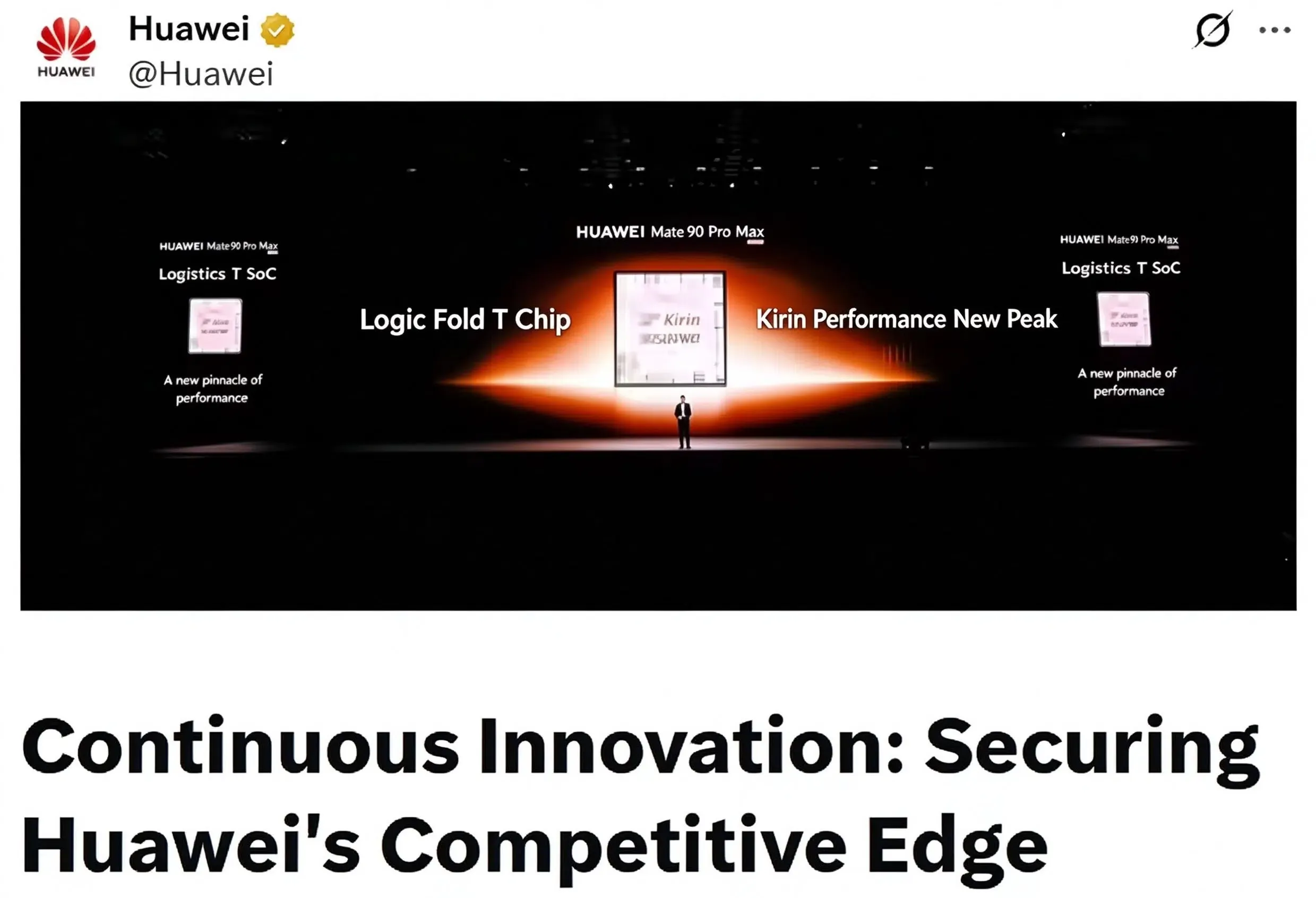
Huawei Plans HarmonyOS Global Rollout? Huawei has publicly confirmed that it is considering a phased, step-by-step introduction of its native HarmonyOS operating system to international markets, potentially introducing another major platform consideration into a global mobile ecosystem currently dominated by iOS and Android. Disclosed by Huawei Consumer BG Chairman Richard Yu during an international media roundtable on September 29, 2026, and summarized via official communications on October 6, the strategic consideration follows significant domestic momentum. According to Huawei disclosures, more than ninety million devices—encompassing smartphones, PCs, and tablets—run HarmonyOS 6 or 7. For cross-border software publishers, user acquisition teams, and mobile system architects, evaluating this potential expansion requires analyzing native compilation requirements, the absence of Google Mobile Services, and cross-platform campaign attribution frameworks.
The Operational Problem & Strategic Transition: Moving HarmonyOS Beyond Domestic Borders
At a Glance
- Huawei Consumer BG leadership confirmed the company is evaluating plans to gradually introduce native HarmonyOS to international markets, emphasizing a measured, step-by-step rollout without an announced international smartphone roadmap.
- According to Huawei’s ecosystem figures reported on October 6, more than 90 million devices—including smartphones, PCs, and tablets—run HarmonyOS 6 or 7. Huawei also reports over 450,000 applications and services and 11 million registered developers worldwide.
- International software publishers face distinct architectural hurdles, requiring native toolchain adoption and separate distribution management alongside existing iOS and Android builds.
Scaling a standalone mobile operating system beyond its domestic proving ground represents one of the most complex operational undertakings in the technology industry. Historically, major platforms—including Microsoft’s Windows Phone, Samsung’s bada, and Nokia’s Symbian—struggled to maintain viable third-party developer ecosystems against entrenched operating system duopolies. Since launching HarmonyOS development in 2019 following international supply-chain restrictions, Huawei focused primarily on establishing a self-sustaining domestic software loop, pairing proprietary silicon with native microkernel architecture, as reported in ITHome’s media roundtable coverage.
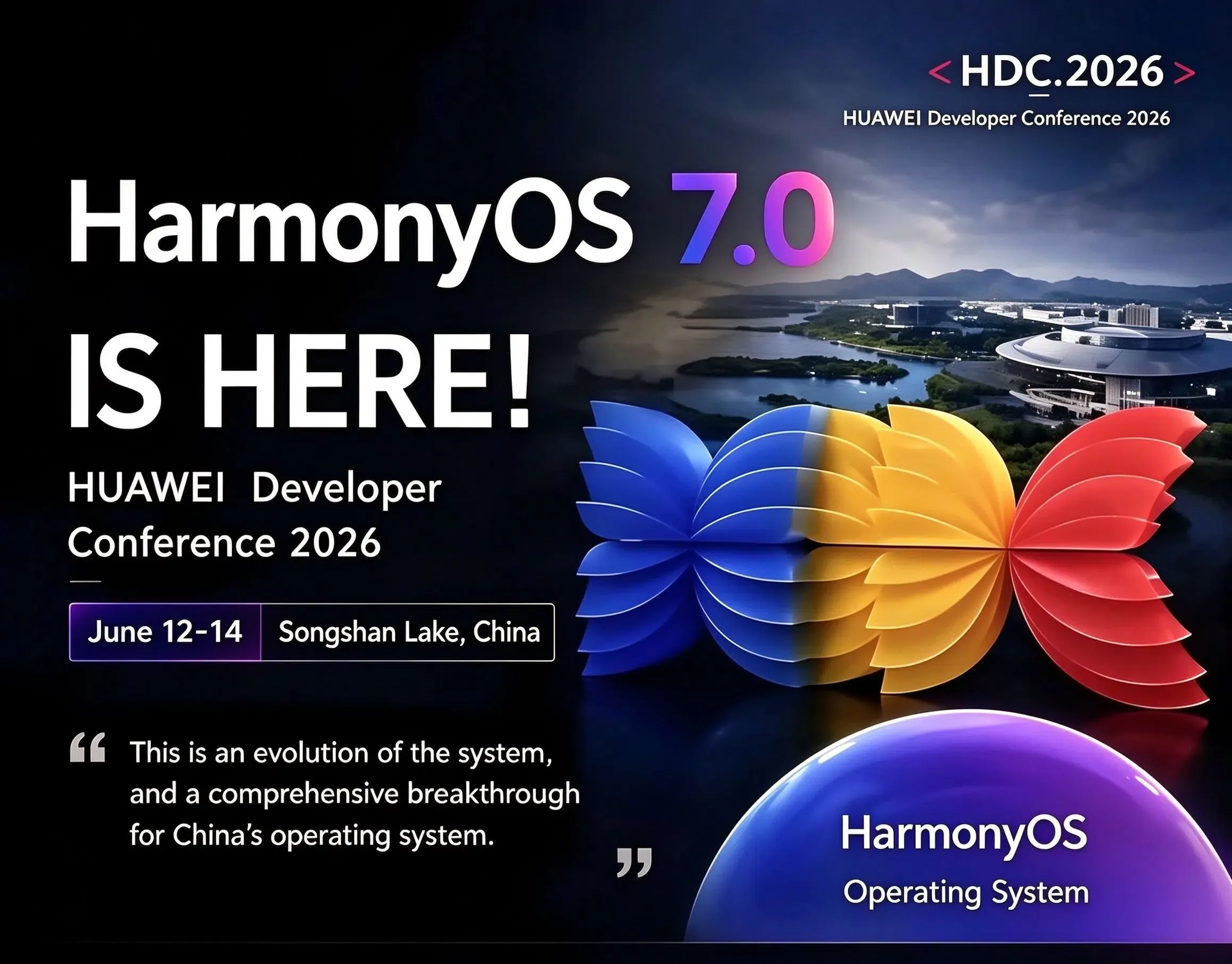
According to statements delivered by Richard Yu and analyzed in Securities Daily’s industry report, the platform has cleared critical domestic viability thresholds. Market data from the Counterpoint Global Smartphone OS Market Share Tracker indicates that HarmonyOS secured a 19 percent smartphone sales share in China during the first quarter of 2026, making it the second-largest mobile platform domestically and the third-largest globally.
However, taking native HarmonyOS global involves distinct commercial realities. Outside mainland China, Huawei’s smartphone shipments contracted from market-leading volumes to several million units annually due to the absence of Google Mobile Services (GMS). While Huawei maintains leading global market share in wearable devices and wireless audio peripherals, re-entering international smartphone markets requires persuading multinational application developers to build, maintain, and monetize dedicated native applications.
Systemic Root Causes & Distribution Disconnect in a Potential Tri-Platform Market
The technical challenges facing cross-border mobile development teams stem from the fundamental architectural differences between Android-derived environments and pure native HarmonyOS. While early iterations of HarmonyOS maintained backward compatibility with traditional Android Application Packages (APKs), HarmonyOS NEXT represents Huawei’s transition toward a native runtime architecture that does not rely on the traditional Android Open Source Project (AOSP) compatibility layer.
For engineering teams distributing software globally, this architectural divergence introduces three structural friction points:
- Packaging and Toolchains: Native HarmonyOS applications must be built as native HarmonyOS Ability Packages (HAPs) using DevEco Studio and ArkTS, as outlined in the Huawei HarmonyOS Native Development Documentation, preventing developers from deploying existing Android binaries directly.
- Service Framework Dependencies: Native HarmonyOS applications must integrate the relevant HarmonyOS SDK Kits—such as Ability Kit, Account Kit, Push Kit, and Location Kit—for their target OS version. Existing Android integrations that depend on Google Mobile Services or Android-based HMS Core require platform-specific compatibility reviews and native implementations.
- Attribution Signal Gaps: Standard performance marketing pipelines that rely on the Google Play Install Referrer API or Apple’s AdAttributionKit cannot evaluate installation events occurring on pure HarmonyOS hardware.
The Multi-Store Attribution Disconnect
When mobile marketing teams manage cross-border acquisition campaigns, user discovery spans search engines, mobile web landing pages, social video platforms, and influencer referral channels. On traditional devices, ad networks communicate with platform-specific store APIs to attribute conversions. On devices lacking Google Play services, this reporting chain breaks down unless developers implement unified, cross-platform attribution logic.
The diagram below separates campaign measurement reporting from application context restoration workflows across diverse app store ecosystems:
[ Flow A: Platform-Specific Campaign Measurement & Reporting ]
  Marketing Touchpoint ──> Platform Application Store
                                  │
         ┌────────────────────────┼────────────────────────┐
         ▼                        ▼                        ▼
  Google Play Store        Apple App Store          Huawei AppGallery
  (Install Referrer API)   (AdAttributionKit)       (Android attribution API documented;
                                                     native HarmonyOS mechanism
                                                     requires separate verification)
         │                        │                        │
         ▼                        ▼                        ▼
  Referrer Parameters      Aggregated Postbacks     Available Store Attribution Signals
                                                    (Platform-specific; subject to
                                                     API support and permissions)
         │                        │                        │
         └────────────────────────┼────────────────────────┘
                                  ▼
                   Platform Campaign Analytics
  (Note: AdAttributionKit postbacks cannot serve as user-level tokens)


[ Flow B: Conditional Post-Install Context Restoration ]
  Web Campaign / Hub ──> Campaign Context (Promo Token / Referral Key)
                                  │
                                  ▼
                  [ Store Handoff & Installation ]
                                  │
                                  ▼
                [ Permitted Context Association ]
  (Supported store referrer parameters, explicit user login, valid redemption
   tokens, or other verified policy-permitted association methods)
                                  │
                                  ▼
             [ App Launch & Context Verification ]
                                  │
         ┌────────────────────────┴────────────────────────┐
         ▼                                                 ▼
  [ Supported Match Found ]                      [ Association Unavailable ]
  Validate Token & Eligibility                   Default Initial Onboarding
         │                                                 │
         ▼                                                 ▼
  Restore Custom Context                         Manual Code Entry / Login
  (e.g., Target Content Routing)                 (Where Eligibility Is Verified)
As outlined in the dual-flow architecture, individual parameter restoration operates independently from aggregate ad network reporting. Applications can restore specialized onboarding states only when permitted association mechanisms exist—such as supported store referrer parameters or explicit user authentication—and pass validation checks. Where signals are unavailable, systems must route users through standard onboarding paths.
Crucially, while Huawei provides technical references such as AppGallery Attribution Analysis Documentation, that guide details an Android ContentResolver query interface; it does not demonstrate that native HarmonyOS NEXT provides an identical API, parameter set, or access model. Furthermore, while Huawei Cross-Platform App Linking Documentation supports cross-platform URL parameters, cross-platform linking does not establish unified cross-platform install attribution. Native HarmonyOS attribution signals, developer permissions, and post-install parameter recovery must be verified independently.
Solution Comparison: Reconciling Multi-Platform App Attribution and Web-to-App Routing
As mobile publishers evaluate expanding their software catalogues to support potential international HarmonyOS deployments alongside iOS and Android, maintaining consistent user acquisition funnels becomes a primary infrastructure challenge. Developers must decide between building proprietary multi-store redirection engines or integrating specialized cross-platform measurement and routing frameworks.
Architectural Evaluation: In-House Infrastructure vs. Specialized Attribution Platforms
Constructing an in-house attribution and redirection engine offers complete control over proprietary databases but requires substantial ongoing engineering investment. Developers must maintain platform routing logic based on user-agent strings and operating-system signals, implement secure server-side event stores that correlate pre-install campaign events with post-install activations only where valid, policy-permitted association signals are available, and continually update integration code to comply with regional privacy regulations across different international markets.
The table below outlines common architectural approaches to managing campaign attribution and user onboarding across diverse app store ecosystems:
| Architectural Approach | Attribution Signal Source | Conditional Context Restoration Support | Implementation Considerations | Best Suited Scenarios |
|---|---|---|---|---|
| Direct Store Links | Platform Store Consoles | No custom post-install routing by default; platform-provided attribution information may still be available | Zero SDK integration overhead, direct store URLs | Pure organic discovery with no custom onboarding or referral tracking |
| Google Play Install Referrer | Google Play Client API | Conditional (Supported where valid store referrer parameters are passed) | Direct integration with the Google Play Install Referrer Client Library | Android-first applications distributing strictly through Google Play |
| Apple AdAttributionKit | Apple System Postbacks | None (Does not provide player-level tokens or custom onboarding restoration) | Direct integration with Apple AdAttributionKit framework | Privacy-preserving campaign measurement across iOS marketing channels |
| Specialized Attribution SDK (e.g. OpoInstall) | Multi-platform SDK & server-side session mapping | Documented Android and iOS capabilities; native HarmonyOS support requires verification against product SDK documentation | Multi-platform SDK integration, requiring platform-specific configuration and validation | Cross-border publishers requiring verified Android/iOS attribution and routing capabilities; other native platforms and stores require separate compatibility validation |
The core challenge is not only supporting additional operating systems, but maintaining consistent campaign context when users move between different discovery channels and application stores. In multi-regional publishing workflows, specialized attribution services help bridge the gap between fragmented app stores. Platforms such as OpoInstall publicly describe mobile attribution, deferred deep linking, and campaign parameter passing capabilities. Their availability and accuracy depend on the supported platform pathways, configured integration, applicable permissions, and usable attribution or routing signals. Developers should verify implementation details and data-handling practices against the product’s current SDK documentation, including OpoInstall’s technical overview of referral tracking and deferred deep linking.
These documented capabilities cover Android and iOS environments. Engineering teams evaluating native HarmonyOS NEXT deployments must consult current vendor SDK documentation to determine whether native ArkTS libraries or alternative server-side routing pathways are supported. Furthermore, publishers operating across international jurisdictions must adhere strictly to platform privacy governance. On iOS, third-party deferred deep linking and attribution integrations must be evaluated against Apple’s App Tracking Transparency (ATT) requirements whenever they involve cross-company user tracking or shared identity signals. Similarly, on HarmonyOS and Android, developers are responsible for ensuring that all integrated tracking modules comply with local user consent mandates and data residency statutes.
Integration Checklists: How Mobile Publishers Prepare for a Potential Tri-Platform Future
Preparing an international application portfolio for a multi-platform environment requires technical alignment between client-side engineering teams and growth marketing leads.
Developer Implementation Checklist
- Decouple Core Logic from Platform-Specific SDKs: Architect application codebases using modular abstraction layers, ensuring that platform services like push notifications, in-app billing, and location polling can interface with native frameworks across target operating systems.
- Implement Resilient Deep Link Handling: Configure URL scheme handlers and web-to-app routing logic to process incoming campaign parameters asynchronously, ensuring that application launch flows do not hang if network verification experiences transient latency.
- Audit Identifier Access & SDK Behavior: Audit identifier access, data collection, cross-company tracking, consent handling, and third-party SDK behavior against each platform’s applicable requirements, ensuring compliance with App Store, Google Play, and AppGallery policies.
- Establish Graceful Fallback Onboarding: Build fallback onboarding sequences so that if an application launch cannot resolve campaign referral tokens, the user is seamlessly directed to a standard landing view rather than an unhandled error state.
Product & Growth Strategy Checklist
- Standardize Cross-Platform Campaign Taxonomy: Align marketing naming conventions (such as UTM source, medium, campaign, and creative identifiers) across all web landing hubs, paid ad networks, and store listing pages.
- Design Responsive Multi-Store Web Gateways: Deploy intelligent web landing pages capable of detecting user-agent signals, operating-system environments, and permitted routing conditions, dynamically displaying appropriate store download links without breaking campaign parameters.
- Calibrate Attribution Windows by Channel: Establish channel-specific attribution lookback windows that account for platform-defined attribution limits and varying conversion delays across direct store downloads, social media referral loops, and pre-registration campaigns.
Frequently Asked Questions (FAQ)
Has Huawei announced an exact timeline for launching HarmonyOS smartphones overseas?
How does native HarmonyOS differ from Android for cross-border app developers?
How can developers track app installations on devices that lack Google Play services?
Key Takeaways for Engineering Teams
Richard Yu’s confirmation that Huawei is evaluating a global rollout for HarmonyOS underscores a structural reality: the international mobile operating system landscape may gradually introduce another major platform consideration into an ecosystem long dominated by a rigid duopoly.
For engineering and growth organizations, navigating this potential shift requires architectural agility. By decoupling core application business logic from proprietary platform services, designing robust cross-platform web-to-app funnels, and adopting privacy-safe server-side attribution frameworks, developers can position their applications to capture emerging global audience segments without sacrificing measurement integrity or user experience.
References
-
ITHome: Huawei Richard Yu Announces HarmonyOS Global Expansion Plans
-
Securities Daily: Huawei Plans to Gradually Introduce HarmonyOS to Global Markets
-
Counterpoint Research: Global Smartphone OS Market Share Tracker
-
Huawei Developer: AppGallery Attribution Analysis Documentation
-
Apple Developer: AdAttributionKit Documentation and Measurement Framework
-
Google Android Developers: Google Play Install Referrer API Documentation
-
OpoInstall: Mobile App Attribution and Deferred Deep Linking Platform
-
OpoInstall Documentation: Referral Tracking SDK and Deferred Deep Linking Architecture
Share this article