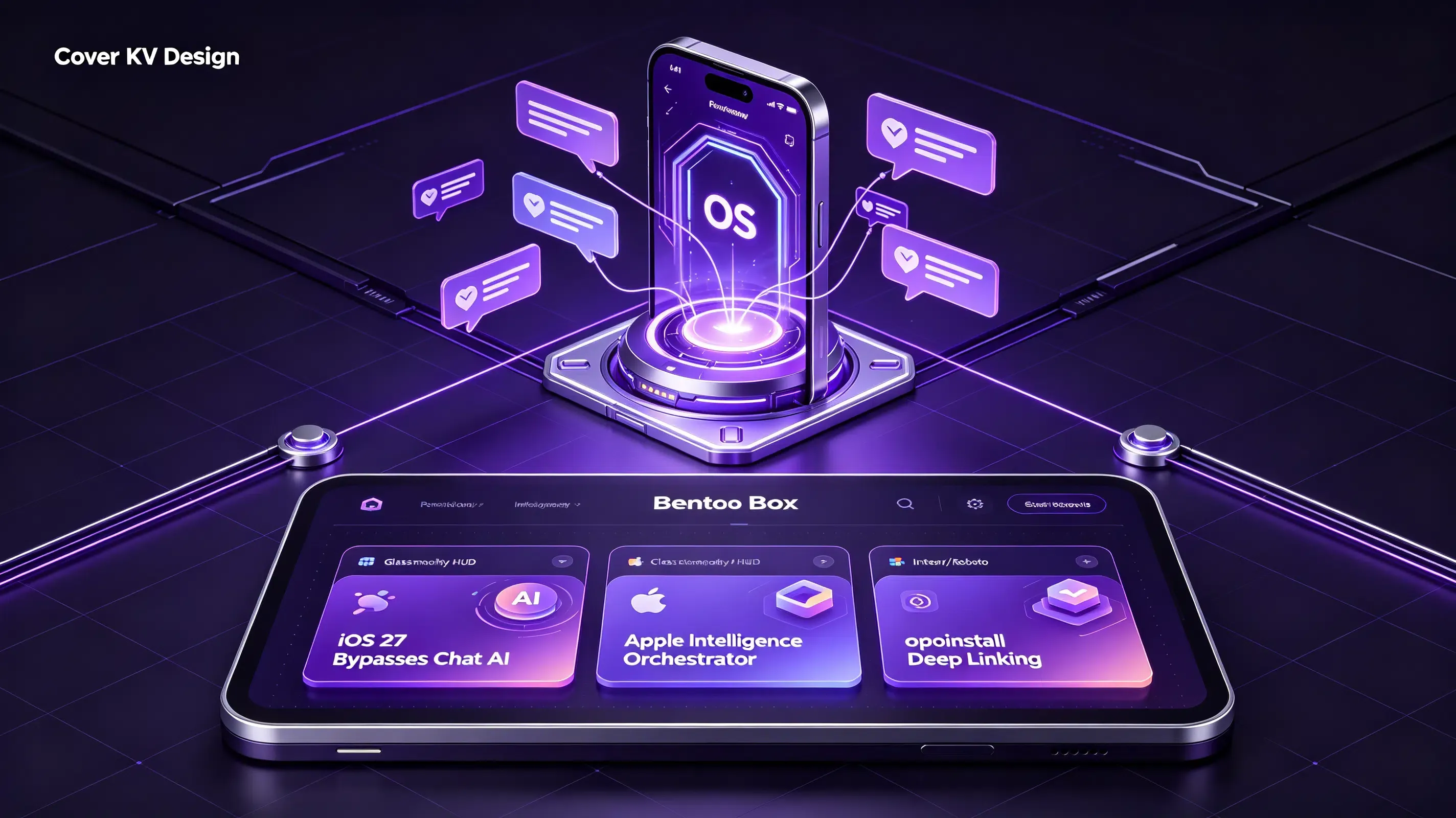
 iOS 27 Bypasses Chat? This strategic pivot has been conclusively validated as developers analyzing the second beta build (24A5370h) of iOS 27 confirm that Apple is bypassing generic conversational AI interfaces. Instead of prompting users to chat with a standalone bot, the operating system-level update integrates Apple Intelligence directly into the system’s core UI and application runtimes. For global software architects and growth leads, this aggressive consolidation indicates that the traditional user-initiated search and app-discovery funnel is being dismantled. This systemic update secures an absolute terminal monopoly for native device gateways, making legacy web-to-app redirections obsolete.

Deconstructing China’s Compulsory Autonomous Framework: The MIIT Safety Mandate
Upgrading the User Interface: Refining Liquid Glass and Spotlight
Specifically, the release of iOS 27 beta 2 brings structural design refinements that lay the groundwork for on-device agentic navigation. According to Neowin’s comprehensive coverage, the updated “Liquid Glass” design language introduces modified opacity and drop-shadow parameters.
Consequently, the UI makes active windows and system-level alerts much easier to distinguish. This visual restructuring is crucial because when iOS 27 Bypasses Chat layouts, the OS must provide higher contrast to guide non-visual user actions. Furthermore, the system includes a dedicated transparency control slider, allowing users to customize their visual interface at a granular level.
Additionally, the overall interface adopts narrowed window corners, simplified menu bars, and tight edge designs for sidebars. These changes unify the visual presentation across both iOS and macOS Golden Gate.
Leveraging Core AI: How iOS 27 Bypasses Chat to Orchestrate Local Workloads
Crucially, the update rebrands Siri to “Siri AI,” transforming the legacy voice assistant into a deeply embedded system coordinator. Rather than executing simple request-response actions, Siri AI operates as an on-device orchestrator.
To support these intensive localized processes, Apple has implemented severe performance optimizations within its Neural Engine. The platform’s release notes confirm that iOS 27 beta 2 loads large on-device models over 1GB significantly faster.
Consequently, the system processes HomeKit Secure Video recordings locally using private cloud compute protocols to generate automated, semantic video descriptions. This local-first architecture allows the OS to understand on-screen content and personal data without transferring raw information to public cloud databases.
The Hardware Defect: Usbliter8 BootROM Exploit Restricts Legacy Devices
However, as Apple secures the upper layers of its software stack, cybersecurity researchers have disclosed a critical hardware vulnerability affecting older SoCs. Barcelona-based security firm Paradigm Shift released details and a proof of concept for “Usbliter8,” an unpatchable BootROM exploit.
Specifically, the vulnerability targets Apple’s SecureROM, which is baked permanently into the silicon of A12 and A13 chips. The attack requires physical USB connection to the targeted device, utilizing microcontrollers like the Raspberry Pi Pico 2 to transmit crafted setup packets.
Consequently, this out-of-bounds write bypasses signature checks, allowing researchers to execute unsigned firmware before the OS ever loads. Although the exploit cannot compromise the Secure Enclave Processor (SEP) protecting user data, it exposes older hardware generations to permanent jailbreaks. This reality forces enterprise security teams to migrate their fleets to newer, unaffected hardware.
Feature Consolidation: Passive Task Orchestration Bypasses SaaS Tools
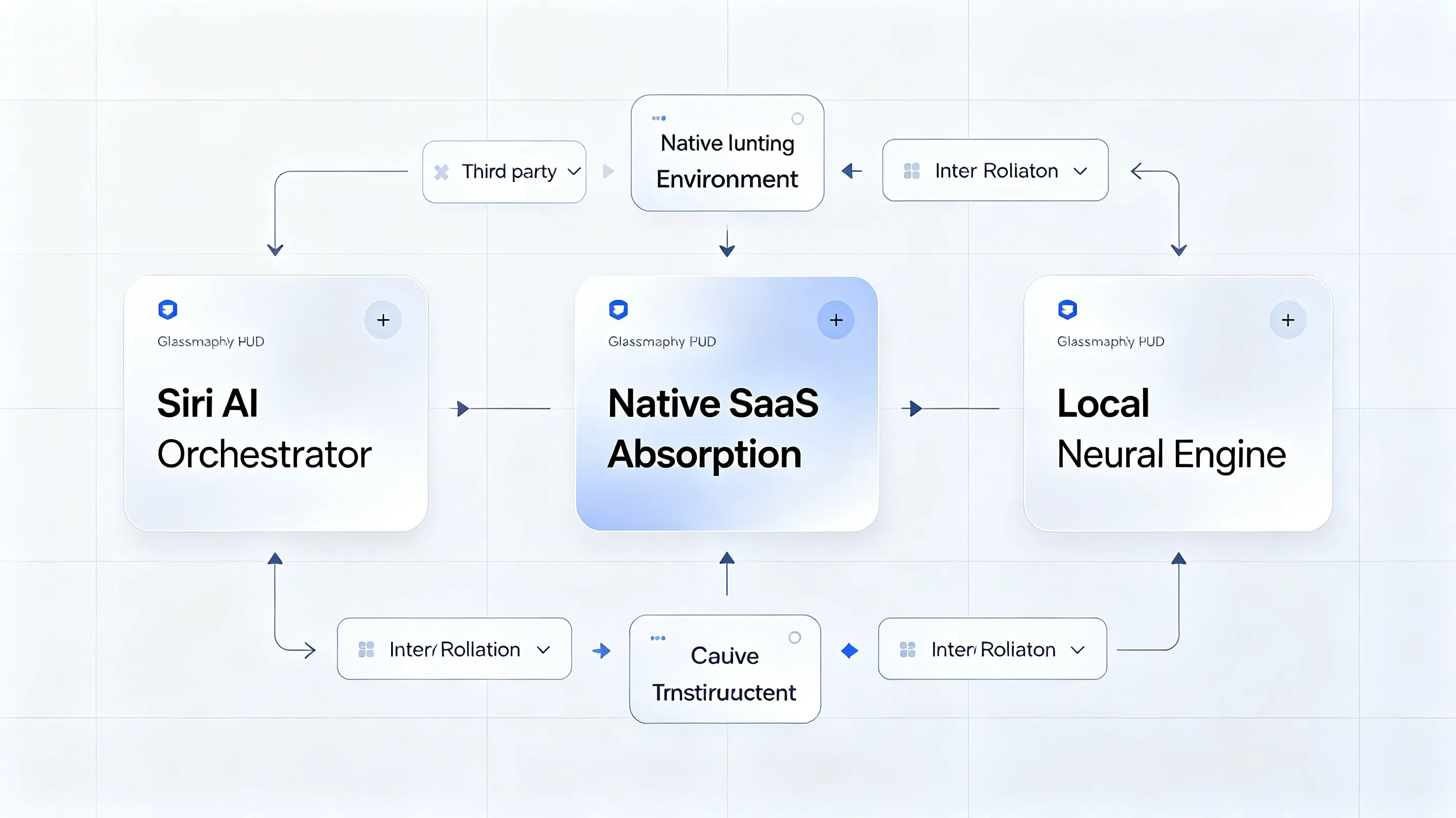
Notably, the developer beta reveals how Apple is using its operating system to absorb single-purpose SaaS features. By introducing native automated tools directly into default applications, Apple is challenging the business model of independent developers.
By integrating these background-scheduled processes, iOS 27 Bypasses Chat hurdles and delivers a fluid user onboarding experience.
- Bill Splitting: First, the US-exclusive Bill Splitting tool allows users to photograph a restaurant receipt. Apple Intelligence automatically extracts items, tax, and tip, letting users split expenses and pay via Apple Cash instantly.
- Automatic Password Upgrades: Second, the native Passwords application utilizes on-device agents to automatically navigate websites, log in, and upgrade compromised or weak credentials.
- Intelligent Home Notifications: Third, the Home application analyzes multiple smart home sensor triggers to send a single, combined notification rather than spamming users with duplicate alerts.
- Automated Workspace Shortcuts: Fourth, the Shortcuts application allows users to configure complex automation scripts via natural language, bypassing the technical barriers that historically restricted custom workflows.
The Routing Gap: Shifting Redirection Parameters Under Automated DSSAD Registries
Bypassing the Ad-Redirection Funnel
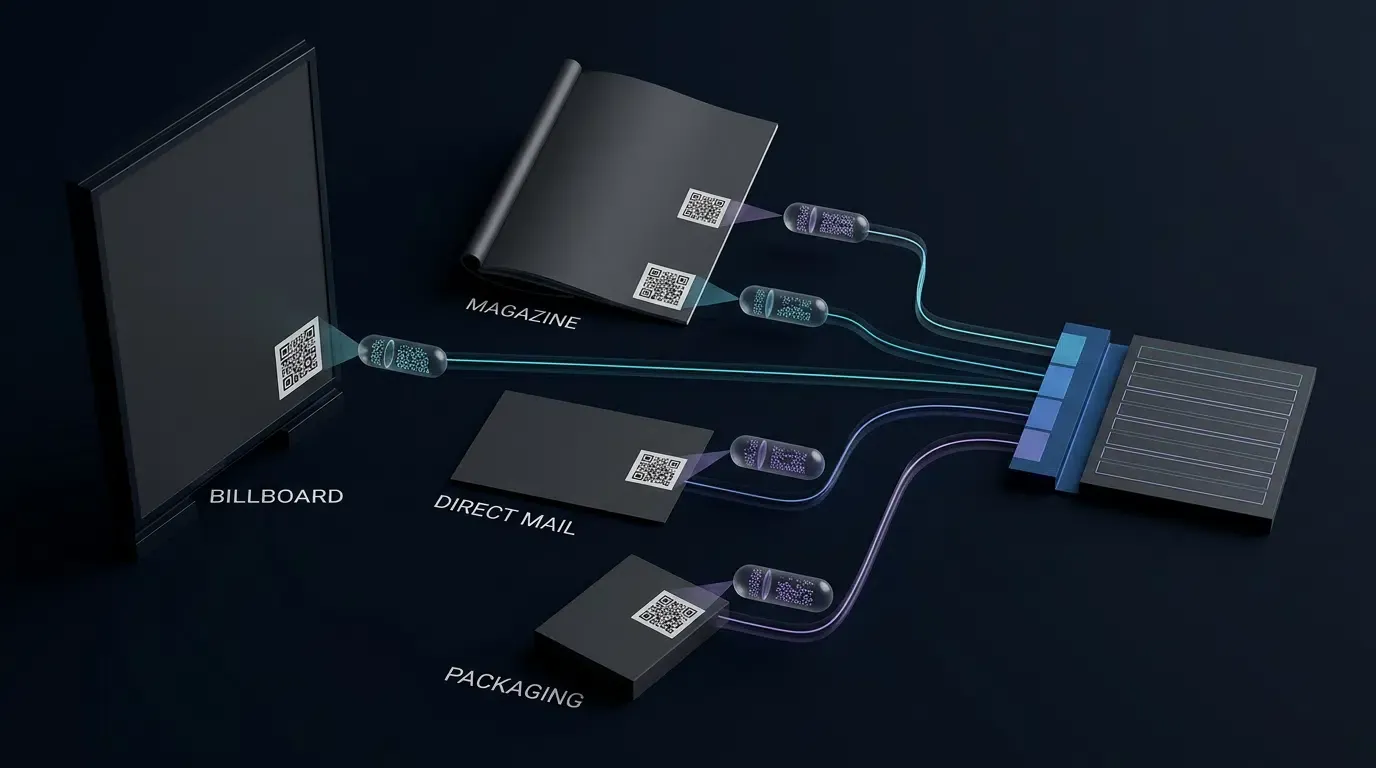
As Apple Intelligence automates daily tasks directly within the system’s core UI, the traditional browser-level redirection funnel is being dismantled. Historically, businesses relied on human users explicitly browsing landing pages, clicking ad banners, and navigating through manual shopping carts.
When iOS 27 Bypasses Chat AI interfaces by automatically executing tasks in the background, these visual touchpoints completely disappear. The on-device agent queries local databases and executes service APIs silently.
Consequently, we observe a transition from active web traffic to intent-driven execution. Humans no longer browse visual stores. Instead, background software processes perform purchases on the user’s behalf, rendering traditional advertising and marketing channels ineffective.
The Parameters Loss in Decoupled Mobile Runtimes
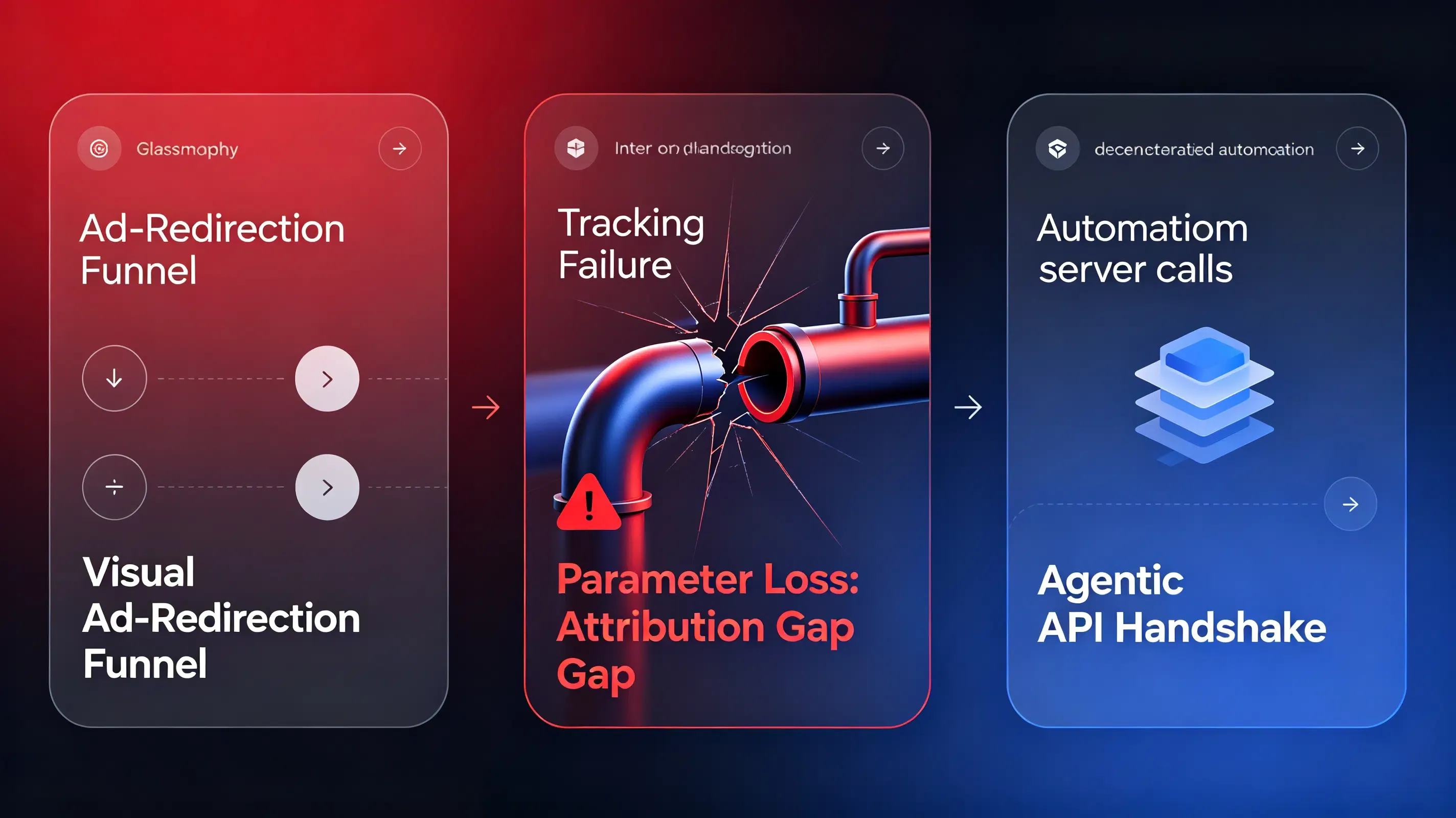
Traditional mobile tracking depends on cookies, HTTP referrers, and URL query strings to map the user journey. When an agent automates the service discovery, these redirection mechanics are eliminated.
The agent establishes a direct API handshake. As a result, critical referral parameters and marketing attribution tags are stripped during transit.
Mobile measurement platforms receive empty metadata packages. Consequently, developers lose the ability to track the origin of the sale, creating a massive data gap.
Reference Architectures: Restoring Referral Metadata Across Non-Android Runtimes
Rebuilding the Parameter Handshake
To bridge this semantic routing gap in environments where iOS 27 Bypasses Chat protocols, developers must deploy secure parameter-preservation frameworks. When an external agent invokes an application, it must transmit a verified payload containing the user’s original intent, referral parameters, and security tokens.
Crucially, developers can establish a resilient solution using the Deferred Deep Linking framework. This system ensures that dynamic payload parameters survive background installation loops. Even if the device lacks the native application, the contextual restoration infrastructure preserves the intent payload, passing it securely to the app upon first launch.
Cryptographic Verification for Machine-to-Machine Transactions
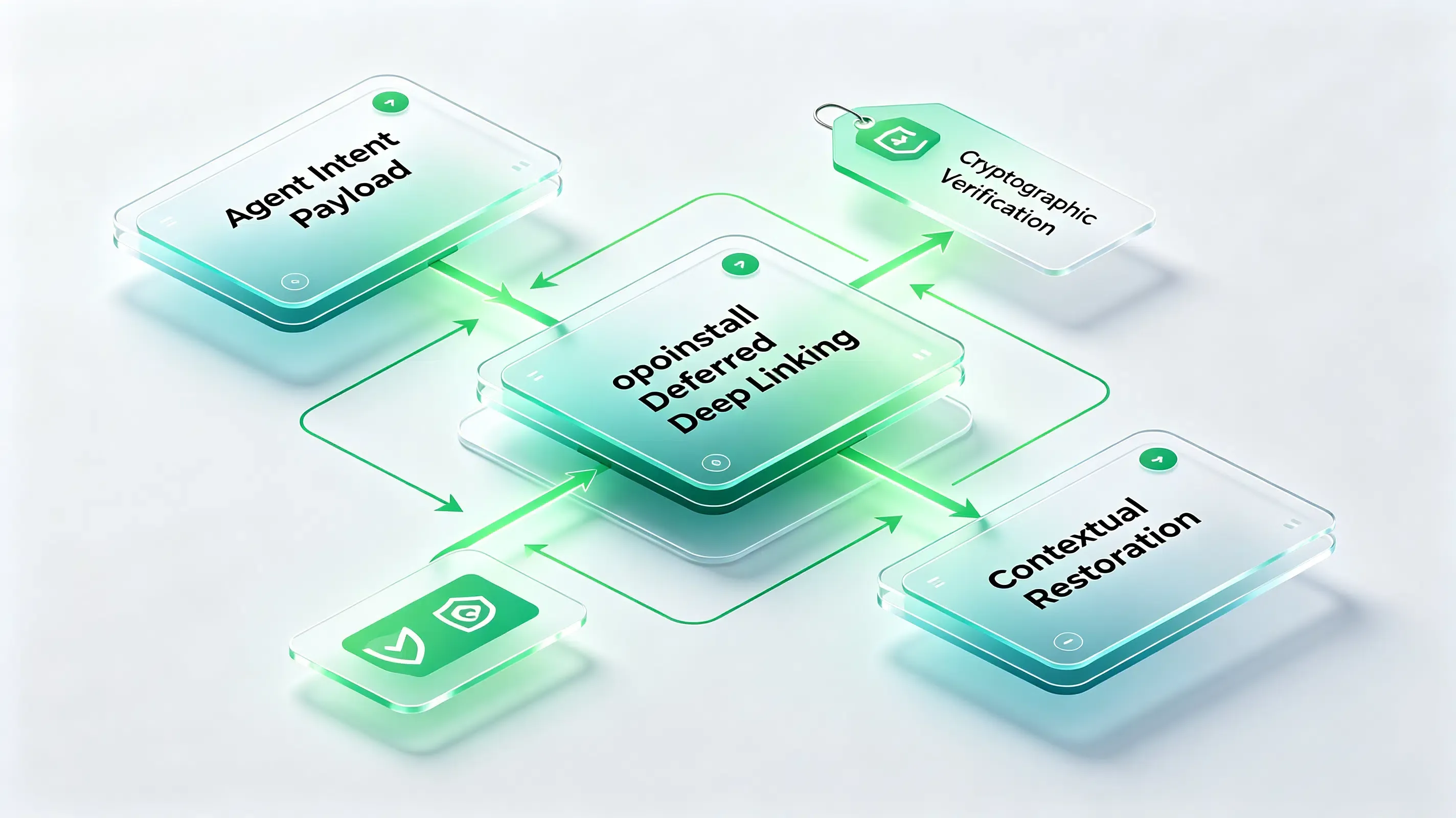
Additionally, securing these automated transactions requires strict cryptographic handshakes. Because background agents operate without visual human supervision, malicious scripts can attempt to spoof transaction requests.
To prevent this, every deep link routing request must carry a verifiable cryptographic signature. The application must validate this signature against public developer registries before executing any action.
Enforcing a secure Deferred Deep Linking framework allows development teams to execute these validations automatically. This process protects the application sandbox from fraudulent installations and secures the transaction pipeline against ad fraud.
Industry Forward-looking Note: Regarding cross-device parameter passing for autonomous intent traffic, opoinstall’s tech lab is currently conducting joint exploratory research with leading enterprise App partners.
Engineering Mandates for Post-Screen Development and Growth
For Developers and System Architects
Integrating a native on-board DSSAD and meeting L3/L4 safety mandates requires a major shift in development practices. Specifically, as iOS 27 Bypasses Chat interfaces, engineers must transition from designing traditional visual navigation paths to constructing detailed App Intents. These intents allow system-level agents to read app structures and query data programmatically.
Furthermore, developers must implement strict signature verification to validate all incoming deep link payloads. This validation prevents rogue agents from executing local sandbox escapes or triggering fraudulent purchases. Architects must also configure unified multi-platform ID systems to track the user journey across iOS, Android, and HarmonyOS NEXT.
For Product and Growth Managers
Meanwhile, product and marketing leads must redefine their growth metrics. In an agentic environment, traditional KPI metrics like page views, bounce rates, and session lengths lose their value.
Instead, growth leads must optimize for “Intent Capture Rates”. They must ensure their application provides highly structured, machine-readable metadata that agents can parse easily.
Additionally, teams must deploy advanced anti-fraud filters to identify and block automated script-based downloads. This protection is essential to ensure that acquisition budgets are spent on real user growth rather than inflated, machine-generated traffic.
Frequently Asked Questions (FAQ)
What are the main features of the iOS 27 beta 2 update?
Why does the fact that iOS 27 Bypasses Chat AI trigger an attribution crisis?
How does the Usbliter8 exploit compromise older iPhones?
Ultimately, the traditional click-based economy is facing a rapid decline. As payment networks and device operating systems transition to autonomous agentic architectures, the value of software is shifting to the underlying routing layer.
Consequently, as iOS 27 Bypasses Chat architectures and consolidates interface gateways, building robust, parameter-secure deep linking backbones is no longer a luxury. It is a baseline operational requirement. By preparing your application architecture for the agentic economy today, you ensure your software remains accessible, verified, and profitable in the post-screen era.
Share this article