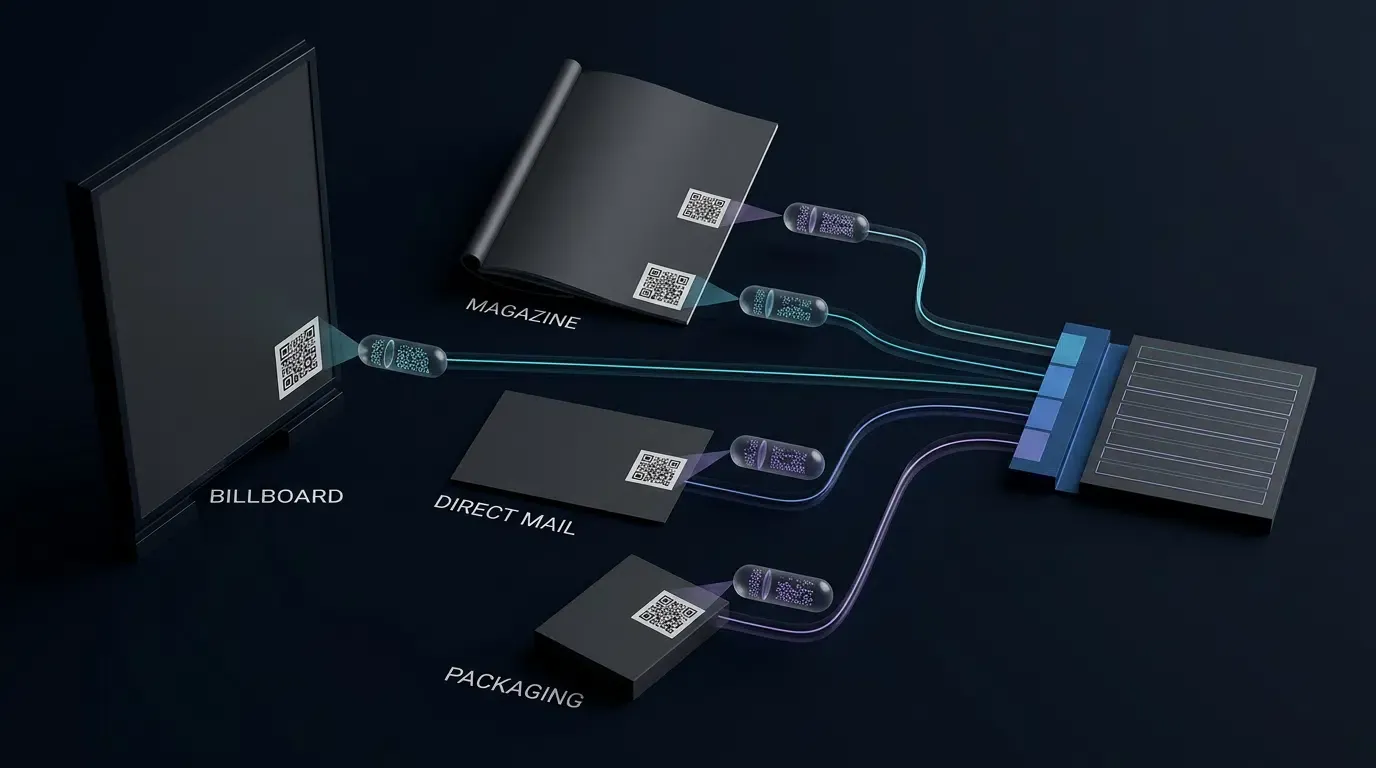
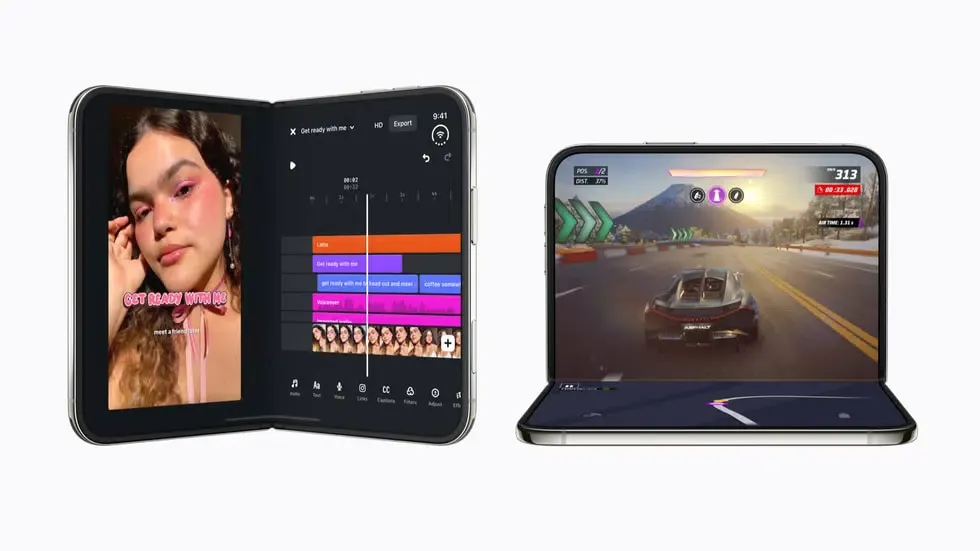
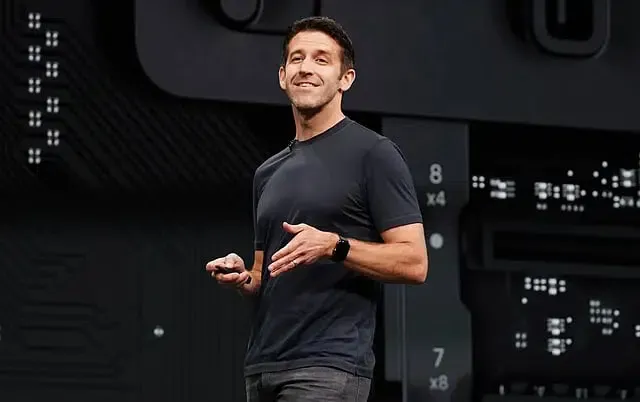
John Ternus Takes Over as Apple CEO? John Ternus officially assumes the role of Apple’s chief executive officer on September 1, 2026, marking a historic transition from Tim Cook’s 15-year operational leadership as Ternus inherits major challenges spanning AI execution, Siri development, hardware innovation, and global supply chain strategy. As consumer software and hardware ecosystems converge around on-device intelligence, operating system distribution models are undergoing a fundamental architectural evolution. Historically, most mobile app interactions centered on explicit app launches and manual in-app navigation. Today, because system-level models are evolving into active orchestration layers, application discovery is shifting toward structured intent-driven execution.
Core Industry Realignment: The Engineering-Driven Succession at Apple
At a Glance
- John Ternus, previously Senior Vice President of Hardware Engineering, formally assumes the role of Apple CEO on September 1, 2026, ending Tim Cook’s 15-year tenure.
- Tim Cook transitions to Executive Chairman of the Board, continuing to support corporate governance and engagement with global policymakers.
- The leadership transition precedes Apple’s major fall product event on September 9, marking Ternus’s first major public appearance as chief executive.
The structural succession at Apple reflects a deliberate strategic realignment. For fifteen years, Apple expanded its global manufacturing footprint, global logistics network, and services division under Tim Cook. This operational focus grew the organization into the world’s most valuable consumer technology enterprise. However, the rapid acceleration of generative artificial intelligence and autonomous system agents has reshaped the competitive dynamics of the consumer technology sector.
To navigate this landscape, Apple has elevated a core product engineer to its highest executive post. According to Gulf News reporting, Ternus joined Apple’s product design team in 2001, became Vice President of Hardware Engineering in 2013, and was promoted to Senior Vice President in 2021, overseeing hardware development across the Mac, iPad, iPhone, and Apple Watch lines.
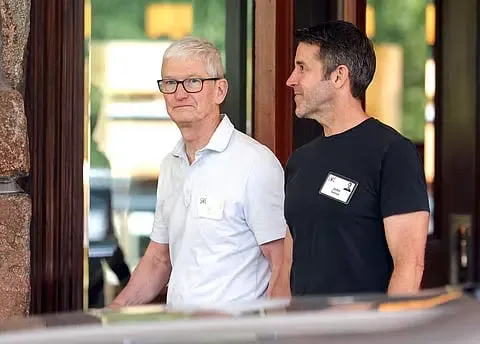
As Agence France-Presse (AFP) reporting has highlighted, Ternus’s appointment gives Apple an engineering-heavy leadership profile at a moment when the company faces mounting industry pressure to improve its AI execution while managing international supply chain dependencies. As detailed in the Apple Newsroom executive announcement, Cook transitions to Executive Chairman to assist with certain corporate matters, including engagement with policymakers around the world. For developers and system architects, an engineering-centric executive signals a continued focus on tight integration between Apple silicon, on-device neural processing, and native developer frameworks.
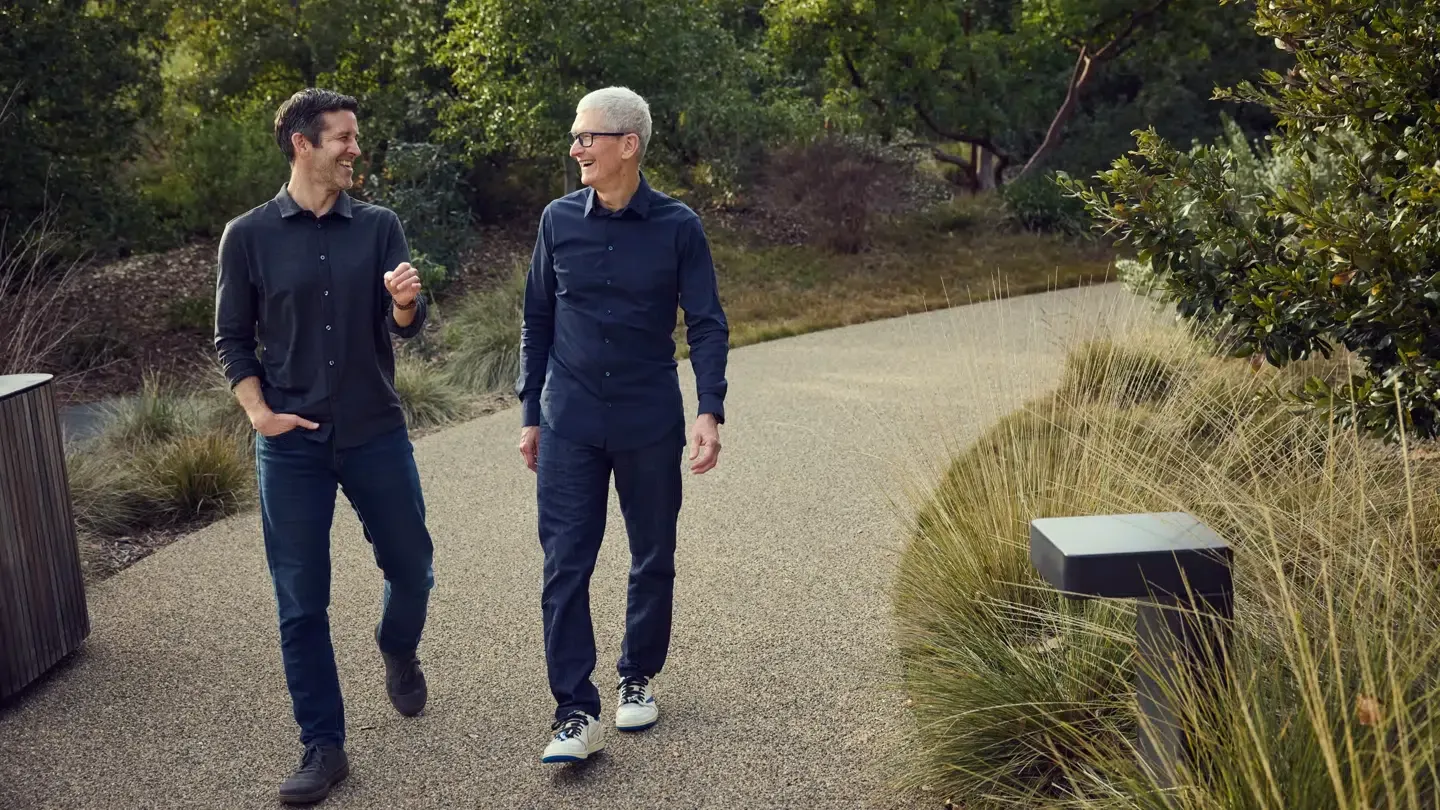
Under-the-Hood Architectural Disconnection: Apple Intelligence, Siri, and Intent-Driven Routing
At the operating system level, Apple’s evolving AI strategy directly influences how applications are discovered, indexed, and executed. Historically, many mobile app interactions centered on explicit app launches and in-app navigation. A user located an application on the home screen, opened the binary, and navigated through internal view controllers to perform a task.
With the introduction of system-level Apple Intelligence and enhanced Siri capabilities, the operating system functions as an active coordinator. As documented in Apple Developer guidance, Siri processes natural-language requests and executes specific application actions by matching user queries to structured endpoints defined within the App Intents framework.
The System Layer: App Intents vs. URL-Addressable Navigation
Under this paradigm, developers must distinguish between direct system action invocation and URL-based navigation. The diagram below illustrates the technical pathways between system-level intent execution and web-compatible routing:
[System-Level Siri AI Interaction]
  Voice / Text Prompt ──> On-Device Semantic Model ──> App Intent Execution (Direct App Action)

[URL-Addressable Navigation Layer (Optional / Complementary)]
  Web Link / External URL ──> Universal Link (apple-app-site-association) ──> Specific In-App Destination
Structured App Intents serve as the primary mechanism for exposing application capabilities to Siri and Apple Intelligence. When developers expose custom entities and actions, the operating system can execute tasks in the foreground or background without requiring the user to navigate the app manually. Separately, when application content benefits from standard web-addressable navigation, developers can implement Universal Links and the URLRepresentableIntent protocol to map specific App Intents to web-compatible URLs.

This architectural distinction shows that while App Intents handle direct system-level task execution, Universal Links complement the system by providing URL-addressable navigation paths into specific in-app content.
Decoupled Systems & Reference Standards: Bridging Native App Intents with Universal Links
As mobile operating systems expand their semantic reasoning layers, engineering teams must re-evaluate how their applications handle incoming context. Developing for iOS requires a clear architectural separation between system-level action discovery and external user acquisition channels. While App Intents enable Siri to discover and trigger in-app functionality directly on device, acquiring new users through external marketing channels involves a separate onboarding lifecycle.
Architectural Evaluation: System Integration vs. Install-Boundary Context
Developers managing iOS application routing encounter different engineering requirements depending on the interaction point. The table below outlines how native Apple integration layers compare with cross-platform external acquisition mechanisms:
| Approach | Integration Layer | Context Handling | Engineering Scope | Maintenance Burden | Best Fit |
|---|---|---|---|---|---|
| Native App Intents Framework | System Action / Entity Integration | Direct programmatic action execution | Native Swift implementation | Managed via Apple SDK updates | Exposing in-app actions, shortcuts, and entities to Siri and Apple Intelligence |
| Standard Universal Links | URL Navigation / App-Web Linking | Direct deep linking via HTTP URLs | Hosted association file (AASA) |
Low (Domain configuration) | Routing existing app users from external web pages directly into specific in-app views |
| In-house Session Routing | Custom Backend Infrastructure | Custom session-matching logic | Full proprietary server backend | High (Ongoing custom maintenance) | Enterprise architectures with dedicated internal data infrastructure teams |
| Deferred Deep Linking SDK | Multi-Platform (iOS/Android/Web) | Pre-install parameter restoration | Managed via specialized SDK | Low (Pre-built integration) | User acquisition campaigns passing custom campaign or referral metadata through the App Store |
For a separate mobile acquisition lifecycle, marketing teams frequently direct prospective users from external promotional touchpoints into the App Store. In these scenarios, standard browser cookies do not carry over into newly installed native apps. Specialized platforms such as Adjust, AppsFlyer, Branch, and OpoInstall provide dedicated deferred deep linking capabilities. For instance, OpoInstall documentation details server-assisted parameter restoration workflows where advertiser-defined campaign IDs, referral parameters, or custom destination tags are captured before the install boundary and restored after first launch. If a promotional campaign directs a new user to download the application, the app can retrieve the restored parameters upon initial launch to configure the intended onboarding flow, supporting consistent measurement continuity across external acquisition channels.
Engineering Checklist & Verification Schedules: Preparing iOS Apps for Siri AI Routing
To ensure applications integrate smoothly with system-level AI coordinators while maintaining external acquisition tracking, engineering and product teams can establish structured integration schedules.
Developer Implementation Checklist
- Define App Intents and App Entities: Declare core application actions and data schemas using the native App Intents framework to make capabilities discoverable to Siri and Spotlight.
- Configure Universal Links for Web Content: Host a valid
apple-app-site-associationfile on your domain to support URL-addressable content routing where external linking is required. - Implement Parameter Restoration Handlers: Configure the application delegate to check for restored campaign parameters upon initial launch to support contextual onboarding flows.
Product & Growth Strategy Checklist
- Map Intent-Driven User Journeys: Identify high-frequency tasks within the application that can be triggered directly via voice prompts or proactive system suggestions.
- Audit External Campaign Continuity: Test deep link and deferred deep linking pathways across multiple iOS versions to confirm that eligible campaign context is captured before install and restored after first launch.
- Monitor Feature Invocation Metrics: Evaluate task completion rates driven by system-level suggestions compared to standard home-screen app opens.
By establishing these structured workflows, mobile application teams can help their software integrate effectively with intelligent system-level coordinators while maintaining robust cross-platform measurement.
Frequently Asked Questions (FAQ)
Who is John Ternus, and what is his background at Apple?
What is Tim Cook's new role following the CEO transition?
How will Siri AI and App Intents change third-party app deep linking?
Key Takeaways for Engineering Teams
The appointment of an engineering-led CEO at Apple underscores the strategic importance of on-device intelligence and integrated hardware-software architectures. As mobile operating systems evolve from simple app launchers into intelligent agent coordinators, application visibility will depend on programmatic accessibility through structured native frameworks.
To prepare for this technological evolution, engineering and product teams can structure their software around two distinct integration layers: implementing native App Intents for system-level Siri execution, while utilizing verified Universal Links and server-assisted parameter restoration for external user acquisition funnels. This dual-layer approach helps applications remain accessible through system experiences while preserving eligible measurement context across external acquisition channels.
References
-
Apple Inc. Tim Cook to Become Executive Chairman, John Ternus to Become Apple CEO. https://www.apple.com/newsroom/2026/04/tim-cook-to-become-executive-chairman-john-ternus-to-become-apple-ceo/
-
Apple Inc. Apple Introduces Siri AI, a Profoundly More Capable and Personal Assistant. https://www.apple.com/newsroom/2026/06/apple-introduces-siri-ai-a-profoundly-more-capable-and-personal-assistant/
-
Apple Developer. Apple Intelligence and Siri AI Integration via App Intents. https://developer.apple.com/documentation/appintents/apple-intelligence-and-siri-ai
-
Apple Developer. URLRepresentableIntent Protocol. https://developer.apple.com/documentation/appintents/urlrepresentableintent
-
The Economic Times / AFP. John Ternus to Lead Apple into the Age of AI. https://economictimes.indiatimes.com/tech/artificial-intelligence/john-ternus-to-lead-apple-into-the-age-of-ai/articleshow/133640097.cms
-
Gulf News. New Apple CEO John Ternus Takes Over on Sept. 1 Ahead of iPhone 18 Launch: What to Know. https://gulfnews.com/technology/new-apple-ceo-john-ternus-takes-over-on-sept-1-ahead-of-iphone-18-launch-what-to-know-1.500657538
-
OpoInstall. SDK Integration Guide & App Parameter Installation Documentation. https://www.opoinstall.com/docs
Share this article