Meta Releases Muse Glimmer 30B? This open-source release has been publicly documented as Meta Superintelligence Lab officially releases a 30-billion-parameter dense model under the Apache 2.0 license designed specifically for local agentic workflows. As on-device AI alters how models are deployed, traditional cloud-dependent inference workflows are shifting toward local execution environments. Historically, AI workloads relied heavily on cloud-hosted inference endpoints rather than locally managed model runtimes. As system vendors increasingly support local model inference, developers and IT teams must balance local execution capabilities with limited GPU VRAM and terminal hardware capacity. This transition requires administrators to evaluate deployment architectures, software governance, and hybrid infrastructure strategies.
Why Meta Releases Muse Glimmer 30B: Aligning Open-Weight Models with Local Edge Hardware
At a Glance
-
Meta’s Muse Glimmer 30B is released under the permissive Apache 2.0 license, providing developers with broader rights for commercial deployment and customization.
-
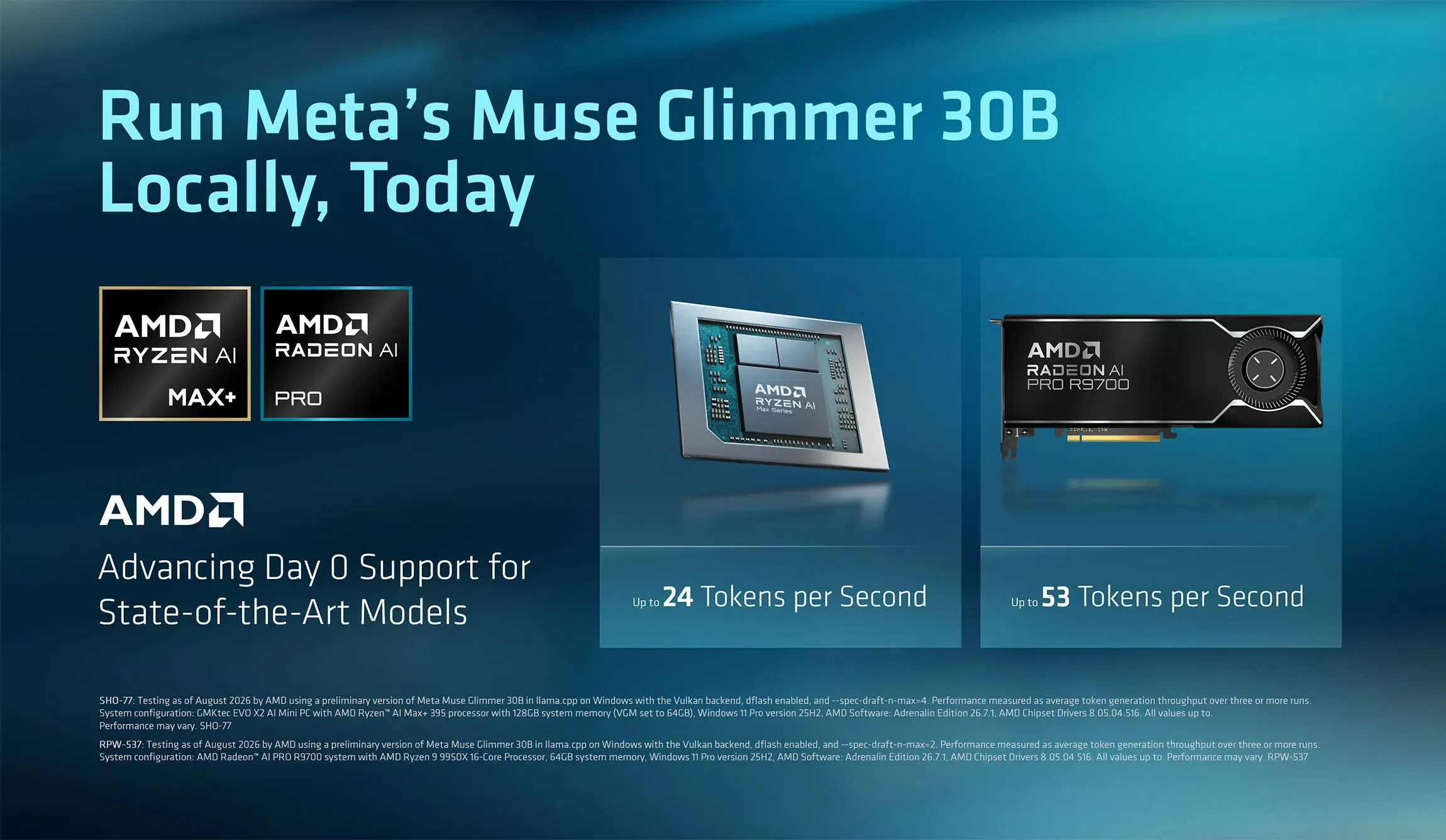
The 30-billion-parameter dense architecture utilizes 4-bit K-Quant quantization to fit within 24GB or 32GB consumer VRAM envelopes on hardware like the NVIDIA RTX 5090 and Apple M5 Max.
-
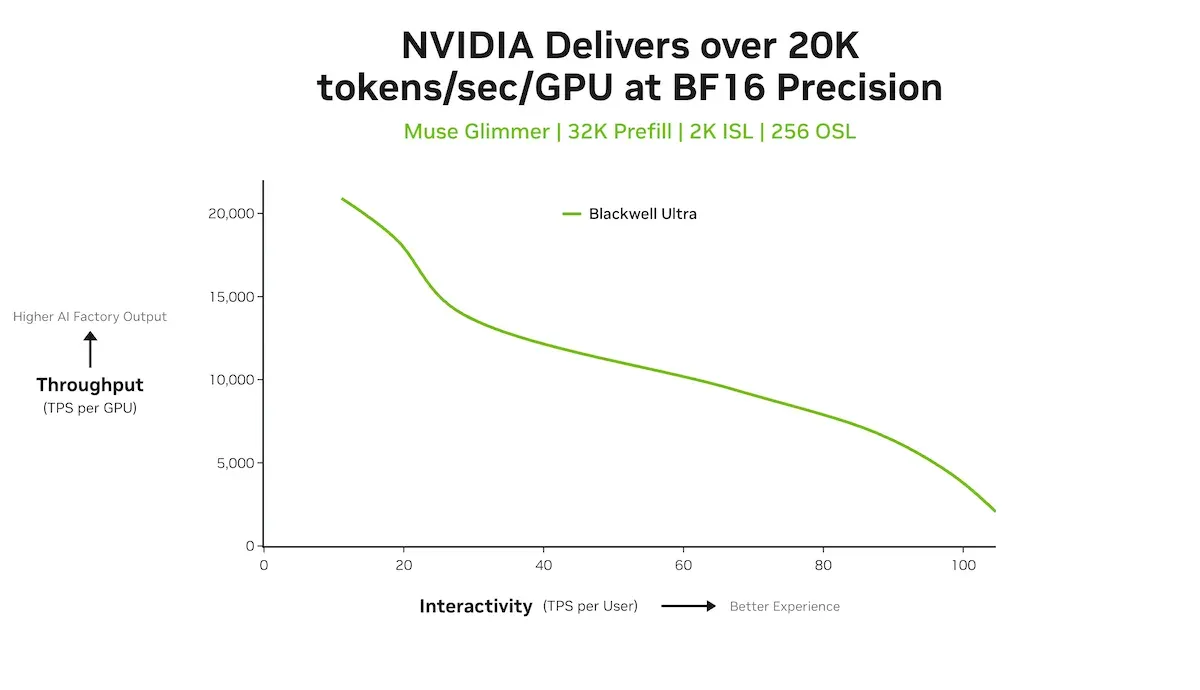
By integrating DFlash block-diffusion speculative decoding, the local model achieves up to 3.1x generation speedups on single-GPU developer workstations.
The structural landscape of open-weight artificial intelligence is undergoing a major transition. For several years, leading software platforms restricted open-model deployments with bespoke community licenses that limited large-scale commercial redistribution. With the launch of Muse Glimmer 30B under the industry-standard Apache 2.0 license, developers and enterprises can modify, host, and deploy autonomous agents locally without recurring per-token API charges or network latency dependencies.
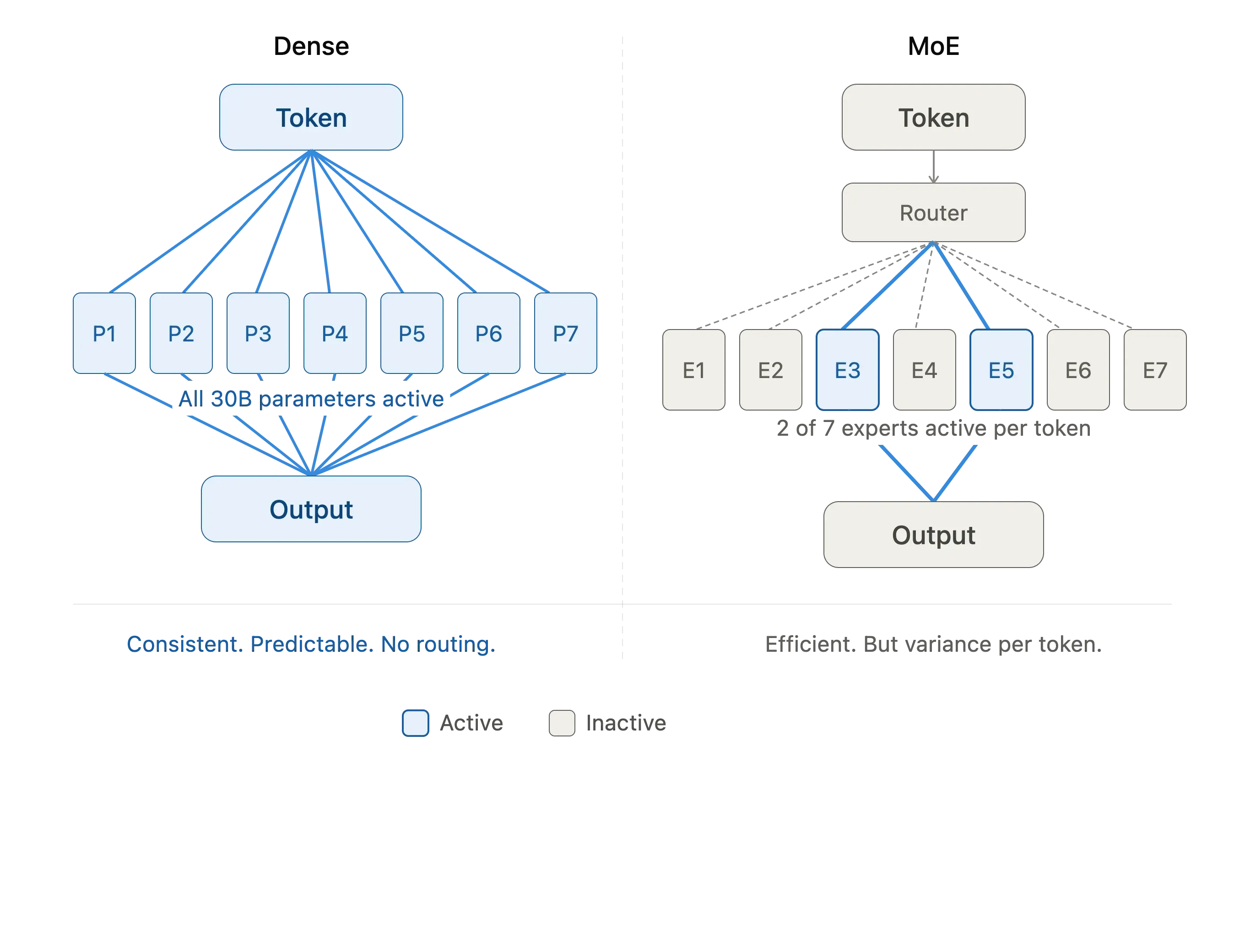
However, running long-horizon autonomous agents requires an architecture optimized for sequential tool calling, persistent memory, and failure recovery. Unlike chat-first models that prioritize single-turn interactions and fast time-to-first-token, agentic workloads require predictable latency and instruction adherence across extended multi-turn sessions. As detailed in the official NVIDIA Developer Blog, Muse Glimmer utilizes a dense transformer architecture where every parameter is activated for each processed token, avoiding the routing variance commonly found in Mixture-of-Experts (MoE) designs.
This open-weight release reflects a broader industry movement toward privacy-by-design local execution. Distilled from Meta’s larger Muse Spark flagship using logit distillation and on-policy reinforcement learning, Glimmer incorporates a dedicated ~1.8B parameter ViT-G/14 perception encoder. This multimodal capability allows agents to interpret screenshots, charts, and technical documents alongside text prompts, supporting context lengths of 131,072 tokens or more, as documented on the official Hugging Face model card.
Technical Deep Dive: Under-the-Hood Mechanics of Meta’s Muse Glimmer 30B Architecture
Under the hood, local model quantization and speculative decoding are critical to fitting a 30B parameter network onto consumer hardware. At full BF16 precision, the model requires over 55GB of memory, exceeding standard desktop GPU capacities. Through 4-bit K-Quant compression, the language model weights are reduced to under 20GB, leaving sufficient headroom for KV cache buffers, the perception encoder, and speculative decoding heads within 24GB or 32GB VRAM budgets.
To solve generation latency during multi-step tool calls, Muse Glimmer ships with a companion “drafter” model based on DFlash block diffusion. DFlash speculative decoding improves generation speed by allowing a smaller draft model to propose token blocks before verification by the main model. This technique lets Muse Glimmer achieve significantly higher generation throughput on single-GPU hardware while maintaining identical output quality.
Input Context ──> 52 Dense Layers (29.6B Parameters) ──> DFlash Speculative Drafter ──> High-Throughput Output
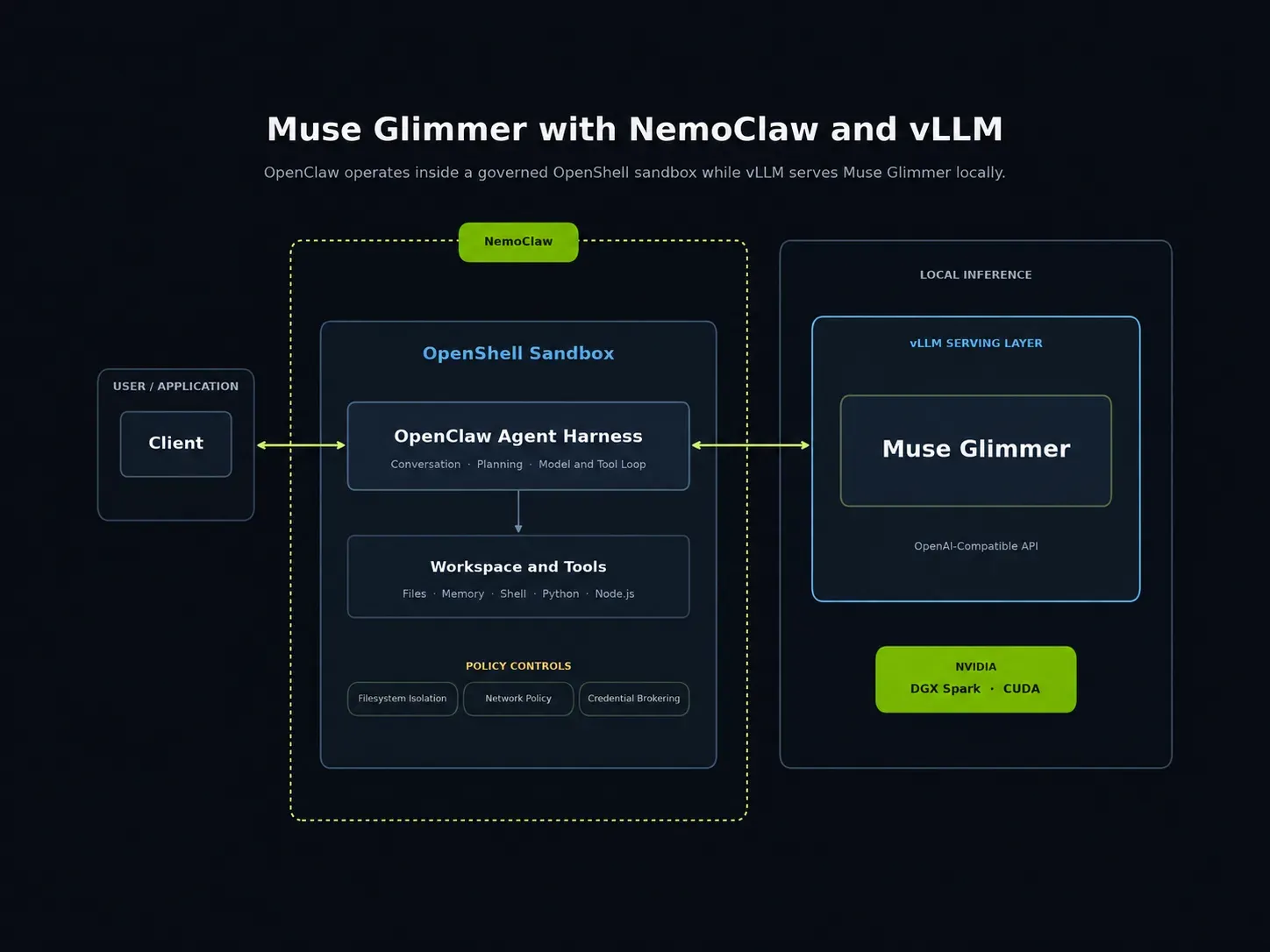
Deploying these local models within governed sandboxes, such as NVIDIA NemoClaw or OpenShell environments, ensures that agentic workflows involving sensitive local files, credentials, and code repositories remain entirely on-device.
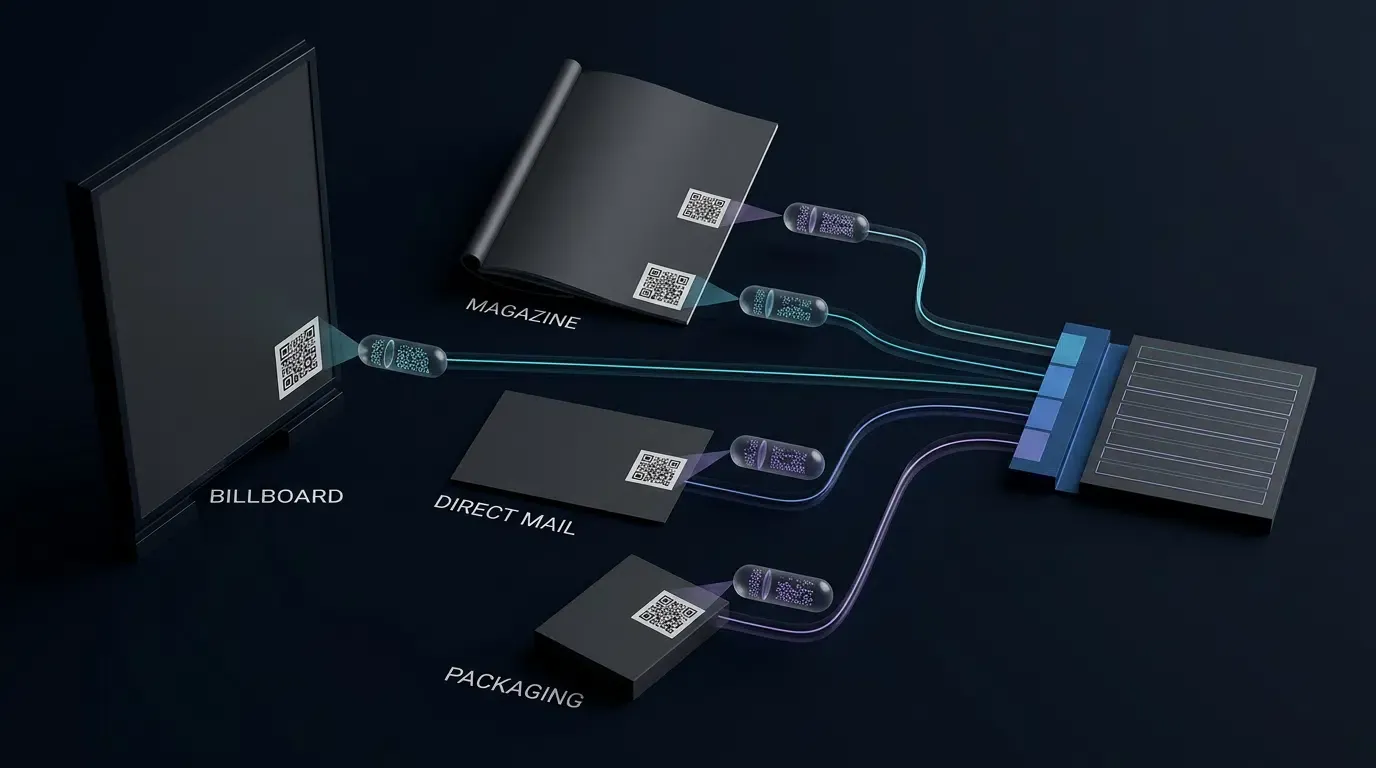
Local AI deployment and software distribution share a fundamental engineering principle: minimizing client-side resource strain while preserving application context when applications move between local environments and cloud services. As software applications incorporate local AI runtimes, developers must reduce client-side bundle size and memory overhead. Critical application flows must move toward lightweight handoffs, making server-side context preservation increasingly important.
Build vs. Buy: Managing Local Model Infrastructure and Application Distribution
As local development environments and target operating systems become heavier, managing application size and client-side dependencies has become a critical technical challenge. Managing application states and deployment workflows in this new local AI era requires lightweight, privacy-safe architectures that minimize client-side resource overhead. Organizations must decide whether to build custom deployment infrastructure or adopt managed platforms that simplify cross-environment application delivery.
The table below compares standard methodologies for managing session state and conversion context:
| Architecture | Deployment Model | Cost Control | Best For |
|---|---|---|---|
| Cloud API | External inference | Usage-based | Rapid prototyping |
| Self-hosted Model | Local GPU | Infrastructure cost | Air-gapped enterprise |
| Hybrid Deployment Framework (e.g. OpoInstall) | Hybrid Handoff | Predictable Overhead | Multi-platform delivery |
While self-hosting handles local inference, multi-device software distribution requires reliable parameter handoffs. For instance, platform reference architectures, such as OpoInstall, employ server-side parameter recovery and deployment continuity mechanisms to manage application delivery across local and cloud environments without increasing client-side bundle size. By maintaining deployment context through server-side infrastructure, such systems reduce dependency on large client packages while improving cross-environment consistency. Engineering teams can evaluate these approaches to balance data protection and deployment efficiency.
Integration Checklists: How Engineering Teams Can Prepare for Local AI Deployments
To secure data pipelines and ensure conversion consistency as platforms transition to heavier local AI execution environments, engineering and product teams must adopt robust state preservation workflows.
Developer Implementation Checklist
-
Audit Runtime Dependencies: Scan all third-party libraries to identify and remove unnecessary transitive dependencies that increase application size.
-
Implement Secure Deployment Authentication: Transition API routes to stateless processing models, utilizing cryptographically signed tokens to pass authenticated deployment metadata between services.
-
Deploy Cryptographic Request Signatures: Protect service-to-service communication by requiring cryptographic signatures on deployment APIs.
Product & Engineering Strategy Checklist
-
Optimize Client Resource Usage: Reduce unnecessary local dependencies as software platforms increasingly incorporate AI-related dependencies.
-
Optimize Deployment Workflows: Simplify application delivery across local and cloud environments without violating user privacy guidelines.
-
Monitor Platform Compliance: Ensure integrated third-party SDKs comply with applicable privacy and data protection requirements.
By establishing these structured guidelines, development teams can transition their applications to safer, more compliant architectures while maintaining operational continuity.
Frequently Asked Questions (FAQ)
What hardware is required to run Meta's Muse Glimmer 30B locally?
How does DFlash speculative decoding achieve faster generation speeds?
How does local agent execution protect user data privacy?
Key Takeaways for Engineering Teams
As software projects adopt local AI execution environments, developers must redesign engineering processes around lightweight dependencies, stronger software governance, and efficient deployment architectures. As more computation moves onto user devices, traditional cloud-dependent architectures must evolve toward efficient local execution models and hybrid infrastructure strategies. Organizations that adapt to these changes early will be better positioned to deploy scalable, compliant, and cost-effective AI products
Share this article