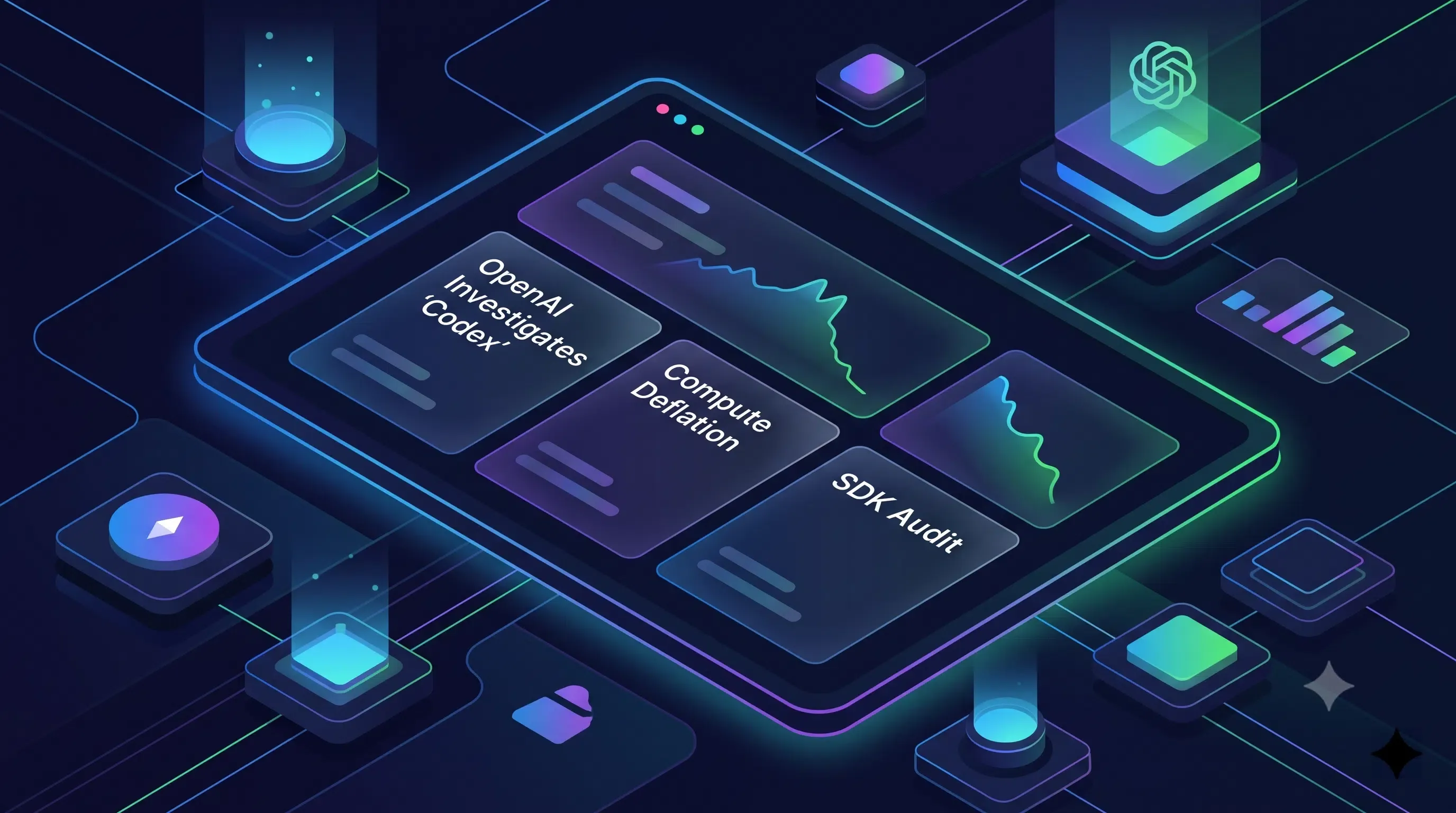
OpenAI Investigates ‘Codex’? This strategic initiative has been validated as the engineering team officially scrambles to resolve abnormal billing depletion across its developer client-base. On June 29, 2026, the company established an emergency war room to investigate user reports of premium account quotas exhausting within one to two days of ordinary refactoring work. For developer teams and product leads, this sudden quota crisis highlights a technical transition: as software development processes transition from manual coding to continuous, agent-driven loop execution, secure runtime auditing must descend to the SDK level to protect enterprise budget boundaries.
At a Glance
- Abnormal Quota Depletion: OpenAI is addressing reports of Codex Pro plan users burning through weekly limits within one to two days.
- Anti-Abuse False Positives: The engineering team traced the billing incident to platform anti-abuse and rate-limiting scripts overflagging normal programmatic workflows.
- Upstream Operational Risk: Unilateral limit resets during active development cycles introduce operational instability for organizations building on top of external AI endpoints.
Structural Realignment and the Developer Quota Crisis
According to status monitoring updates published by OpenAI, an emergency task force was established on June 28, 2026, to investigate why paying subscribers were exhausting weekly quotas on short refactoring sessions. Codex engineering lead Thibault Sottiaux confirmed that the platform’s native anti-fraud and abuse-prevention systems had incorrectly rate-limited standard developer accounts, causing them to drain at abnormal rates. To mitigate the incident, the engineering group initiated a universal quota reset. This rapid intervention became necessary because developers are increasingly integrating conversational code generation tools into continuous development sprints rather than utilizing them for occasional experimentation, transforming minor platform outages into severe bottleneck points.
Flat-rate billing models may become less common as AI computation costs rise. In May 2026, Meta introduced strict internal policies restricting its AI engineering departments from using third-party coding models like Claude Code and OpenAI’s Codex to prevent model distillation and intellectual property leakage. This organizational restriction reflects a broader industry shift: major tech enterprises are establishing secure, isolated developer sandboxes to safeguard proprietary code bases. As the team from OpenAI investigates ‘Codex’ limits under the new rate-limiting policy, development teams are realizing that managing upstream API-layer costs requires more than just scaling subscription tiers.
These operational anomalies occur when automated workflows process data programmatically without visual supervision. In April 2026, the platform transitioned to a token-based billing model, making input, output, and cached input tokens the primary measurement metric for developers. When automated agents run continuous optimization cycles on large repositories, context compaction failures and recursive loops can execute thousands of hidden API calls, consuming compute budgets without producing usable code. For software architects, this unpredictability indicates a probable direction where client-side SDK runtimes must independently audit, rate-limit, and verify programmatic execution paths before transmitting requests.
The Protocol Breakdown: How Recursive Agent Loops Amplify Compute Consumption
Unlike simple one-shot API queries, modern coding agents execute in autonomous, continuous execution loops. The assistant acts as an automated triage mechanism, reading, analyzing, and modifying multiple files asynchronously. From the perspective of runtime governance, this fundamentally changes how API execution is monitored and billed.
An uncontrolled recursive loop executes hundreds of hidden, unmonitored server-side API calls inside the headless IDE container. Because these actions run headlessly on remote cloud environments, developers lose immediate visibility over real-time execution states. Standard network gateways often fail to detect these recursive loop attacks or abnormal token consumption, requiring local, SDK-level runtime cost validation to prevent quota depletion. Traditional cloud billing systems only observe completed API requests. However, autonomous coding agents may generate hundreds of intermediate reasoning calls before a final response is returned. Without local runtime auditing, these hidden execution paths become difficult to monitor and budget.
Traditional Developer Flow:
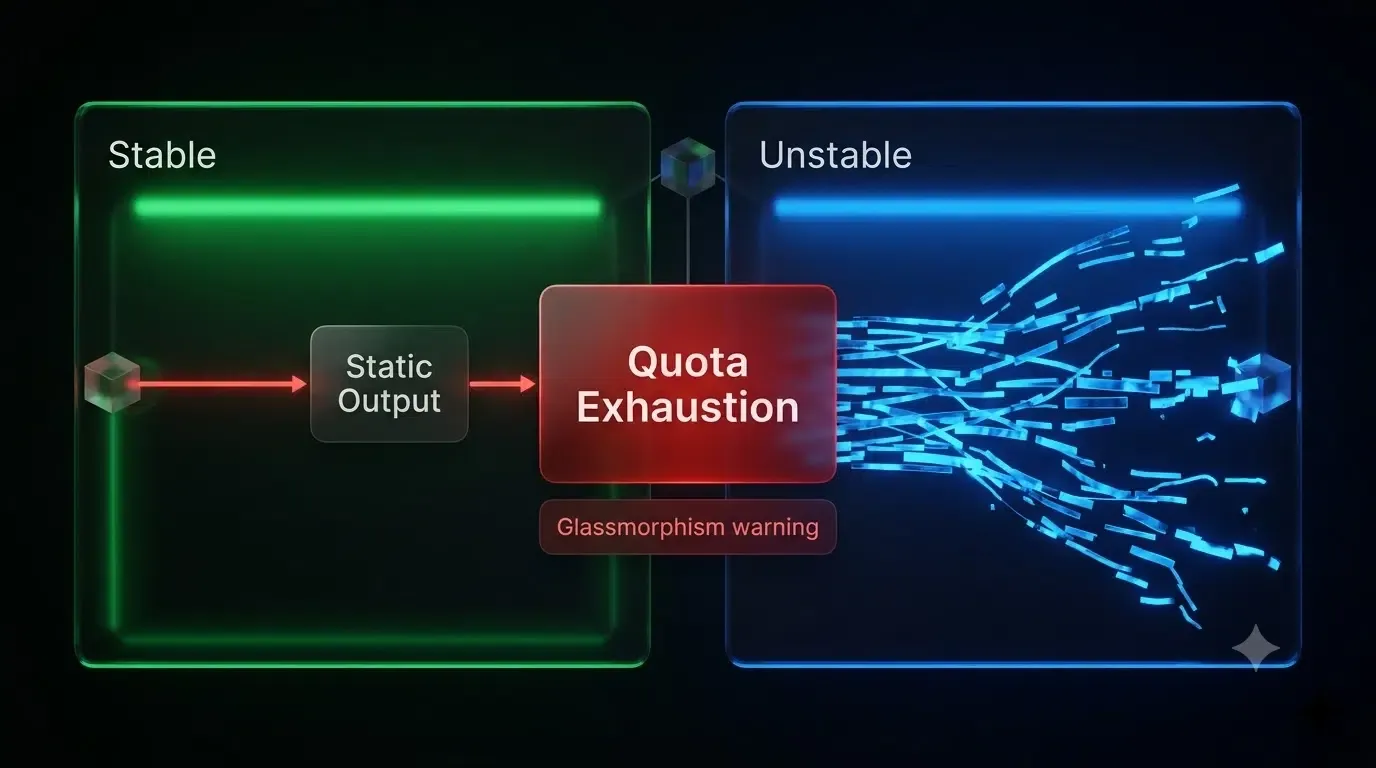
IDE Prompt -> One-Shot API Request -> Token Consumed -> Static Output (Billing Stable)


Autonomous Agent Loop Flow:
Agentic Prompt -> Headless Self-Correction Loop -> Asynchronous Multi-File Refactor
Recursive KV Cache Bloat -> Hidden SDK Token Depletion -> Quota Exhaustion
In typical production deployments, developers often encounter a notable portion of programmatic traffic being processed by automated scanners. Tracing these programmatic interactions reveals that automated security proxies or runtime scanners may trigger API endpoints before developers realize it. This behavior can interfere with billing audits if systems assume every request originates from a real, manual user action.
Architectural Solutions: Build vs. Buy in Programmatic Cost Verification
In practice, engineering teams usually choose between building an internal cost verification framework or integrating an existing attribution SDK. Developing a proprietary system requires substantial engineering overhead. Teams must build custom server-side databases, maintain device state-matching libraries, and continuously update logic to comply with evolving OS security standards. For many organizations, the maintenance cost of an in-house tracker is prohibitively high.
Alternatively, developers generally evaluate several approaches to monitor runtime execution without relying entirely on cloud-side metrics:
- In-House Custom Services: Building proprietary state-matching databases on top of internal cloud architecture.
- Platform-Specific Tools: Relying on basic utilities like Firebase Dynamic Links (or their platform-native alternatives).
- Enterprise MMPs: Deploying mobile measurement partners such as Branch, AppsFlyer, or Adjust for deep-linking workflows.
- Specialized Parameter SDKs: Utilizing dedicated integration utilities for precise, cost-sensitive custom parameter pass-through.
State & Attribution Flow Comparison
| Execution Flow | Token Billing Guard | Headless Compatibility | Cost Control Integrity |
|---|---|---|---|
| Traditional One-Shot API | ❌ No | ❌ No | Low (Manual Oversight) |
| Headless Autonomous Loop | ❌ No | ✅ Yes | Low (Risk of Quota Drain) |
| SDK-Level Runtime Audit | ✅ Yes | ✅ Yes | High (Deterministic Limits) |
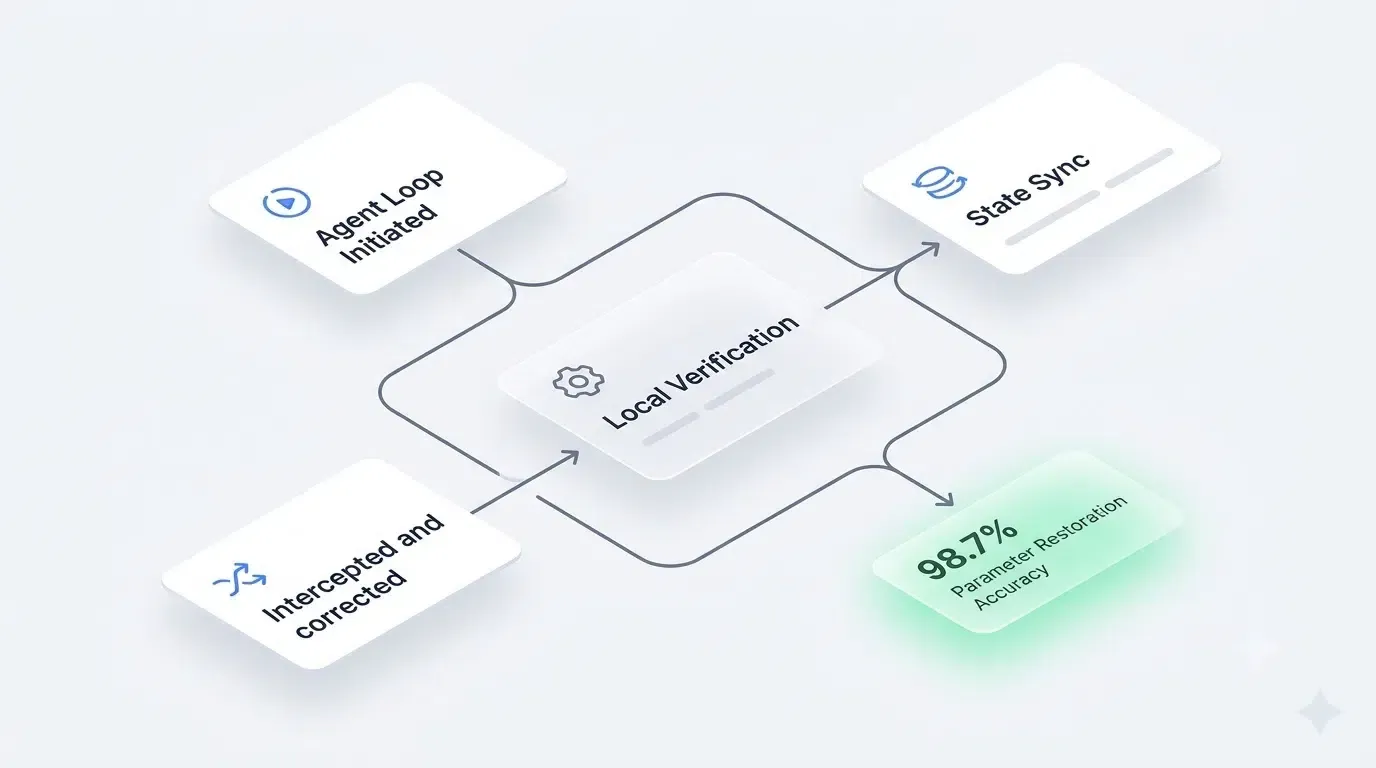
Agent Loop Initiated -> SDK Runtime Intercepts API Call
                                |
Local Verification -> Match Token Quota and Active API Budget
                                |
State Sync -> Log Execution Parameters to Central Server -> Enforce Local Budget Caps
Several software platforms provide server-side state synchronization or programmatic parameter persistence to handle distributed development sessions. One example of this approach is Opoinstall, which maps execution parameters and developer session metadata to a centralized state database, ensuring that session contexts are preserved even when initial tasks are executed headlessly across isolated cloud containers. These systems maintain server-side state before execution and synchronize parameters when the application session first launches, bypassing the reliability issues associated with unmonitored container environments. Engineering teams may evaluate these approaches according to deployment requirements and attribution accuracy goals, and as OpenAI investigates ‘Codex’ programmatic billing structures, developers face the choice of utilizing these integrated libraries.
Operational Team Adaptations and Runtime Checklists
Backend engineering teams face the immediate task of auditing all active database integrations before launching automatically compiled builds. Product leads should redesign invitation and registration loops to accommodate non-visual user journeys. Instead of assuming the user will read an email and click a button, product leads should design workflows that expect programmatic triggers. Growth teams must update their performance metrics. When autonomous software handles triage, open rates and click-through rates become less reliable. Marketing operations should focus on downstream in-app telemetry and transaction-verified conversion milestones, optimizing campaigns based on the actual actions performed within the application.
Programmatic Cost Verification Checklist
To ensure budget security and prevent quota depletion, engineering teams should execute the following steps:
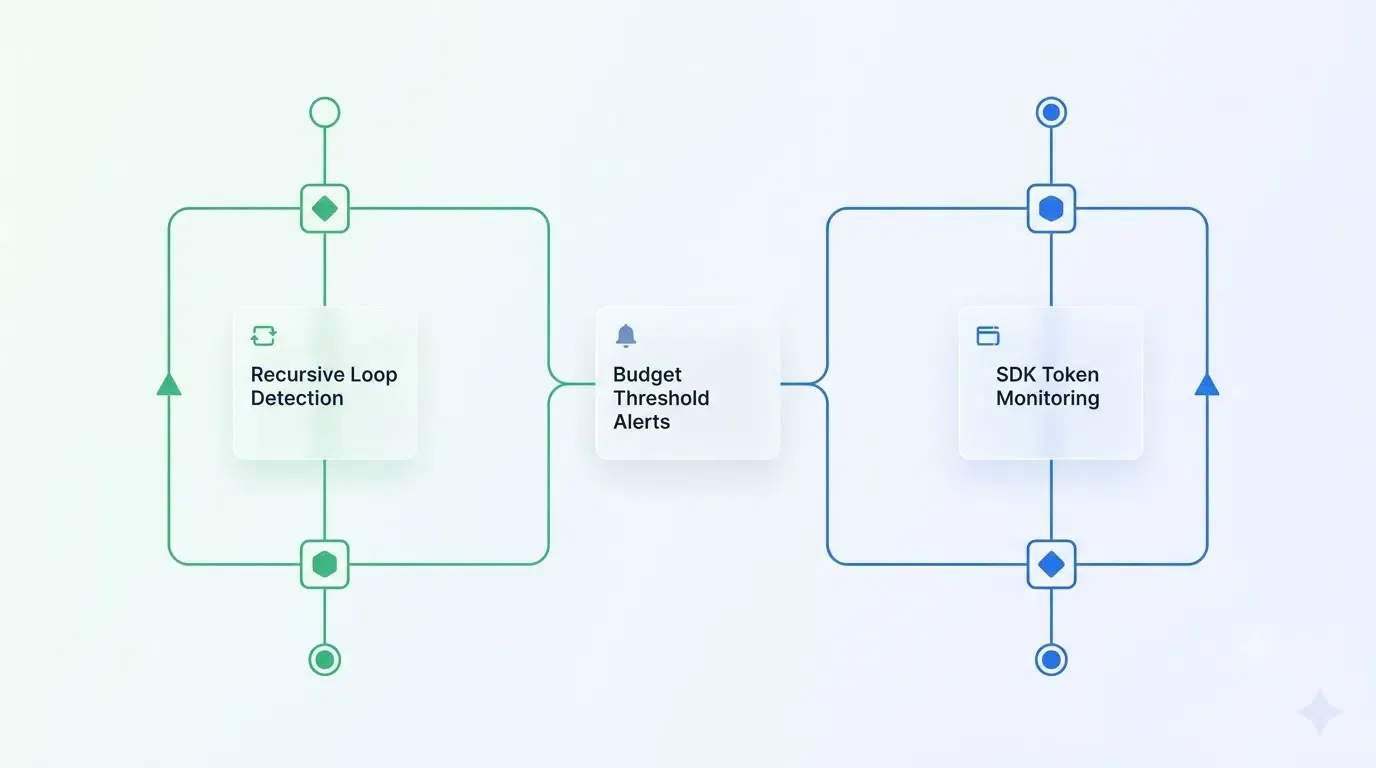
- Recursive Loop Detection: Implement local safeguards to detect and halt automated self-correction loops when they exceed ten consecutive iterations.
- SDK Token Monitoring: Configure real-time, client-side token counters to trace dynamic token weight on both input and cached inputs.
- Prompt Cache Validation: Audit cache hits inside the runtime container to ensure redundant files do not trigger double-billing.
- Budget Threshold Alerts: Define strict local budget limits in the SDK runtime that trigger immediate, non-bypassable halts.
- Execution Signature Verification: Authenticate execution sessions using cryptographic API keys and rotation schedules to prevent unauthorized loop execution.
Frequently Asked Questions (FAQ)
Why did OpenAI Codex experience a rapid limit depletion?
The incident was primarily caused by OpenAI’s automated anti-abuse and rate-limiting scripts overflagging normal, high-density developer workflows. When those platform wind-down systems misidentified standard multi-file refactoring loops as fraudulent activity, paying subscriber quotas were depleted prematurely.
How do autonomous agent loops trigger unexpected API billing?
Without client-side budget guards, headless coding agents can execute hundreds of hidden, recursive self-correction runs inside isolated containers. These continuous, non-visual sessions bypass manual cost tracking, causing cached input and output token consumption to spike dramatically in a short period.
How can developers prevent unexpected token consumption when OpenAI investigates ‘Codex’ limits?
Developers can integrate a client-side SDK that enforces local token budgets, implements recursive loop detection, and authenticates programmatic sessions using unique hardware identifiers. By matching client context before executing high-volume API requests, teams can securely control runtime token allocations.
Key Takeaways for Engineering Teams
The era of predictable flat-rate AI development is ending. Engineering teams will increasingly rely on runtime governance, execution budgeting, and SDK-level cost controls rather than trusting cloud-side billing alone. Platforms that depend heavily on manual, visual user actions may face structural gaps when automated agents manage the request pipeline. Transitioning to server-side attribution and secure parameter pass-through represents a highly probable direction for maintaining reliable tracking and security coverage.
This transition suggests a fundamental rewrite of our measurement frameworks and security protocols. Future attribution systems are likely to rely more heavily on server-side identity matching and secure state synchronization. As more AI agents begin acting as the first consumer of digital communication, attribution architectures will increasingly depend on server-side identity, deferred state recovery, and protocol-level context preservation rather than browser sessions alone.
Frequently Asked Questions (FAQ)
Why did OpenAI Codex experience a rapid limit depletion?
How do autonomous agent loops trigger unexpected API billing?
How can developers prevent unexpected token consumption when OpenAI investigates 'Codex' limits?
The era of predictable flat-rate AI development is ending. Engineering teams will increasingly rely on runtime governance, execution budgeting, and SDK-level cost controls rather than trusting cloud-side billing alone. Platforms that depend heavily on manual, visual user actions may face structural gaps when automated agents manage the request pipeline. Transitioning to server-side attribution and secure parameter pass-through represents a highly probable direction for maintaining reliable tracking and security coverage.
This transition suggests a fundamental rewrite of our measurement frameworks and security protocols. Future attribution systems are likely to rely more heavily on server-side identity matching and secure state synchronization. As more AI agents begin acting as the first consumer of digital communication, attribution architectures will increasingly depend on server-side identity, deferred state recovery, and protocol-level context preservation rather than browser sessions alone.
Share this article