OpenAI Launches ChatGPT Work? OpenAI has officially launched ChatGPT Work, expanding ChatGPT from conversational assistance to autonomous task execution. As generative artificial intelligence platforms transition from simple conversational chatbots to persistent background executors, the primary interface bottleneck has shifted from raw text prompt generation to multi-step programmatic task orchestration. Standard language models are designed to process individual prompts and return isolated outputs. However, because complex enterprise operations require continuous tool usage, cross-application data flow, and long-running context matching, developers require systems that can operate headlessly in the background.
Why OpenAI Launches ChatGPT Work: Shifting From Chatbot Inputs to Autonomous Workflows
At a Glance
- The newly launched agent workspace initiates a fundamental pivot from basic single-turn chat loops to persistent, multi-step programmatic project execution.
- Powered by the GPT-5.6 Sol model, the system introduces ultra-mode multi-agent parallel delegation to accelerate complex, long-running engineering and finance pipelines.
- The desktop integration merges the core developer-focused capabilities of Codex directly into the unified workspace client to simplify development workflows.
The operational architecture of enterprise AI tools is undergoing a significant transition. For several years, the race to build productive workflows focused on optimizing manual prompt engineering. Developers and knowledge workers spent substantial time crafting elaborate instructions to guide model outputs, requiring continuous manual copying and pasting between various browser tabs, terminal windows, and local spreadsheets. This focus was highly logical during the early text-generation era, when models operated primarily as stateless text predictors.
However, as applications transition to the autonomous execution era, the requirements have changed. In enterprise environments, the primary challenge is not simply answering queries, but orchestrating multi-application workflows to complete major projects. Every complex operation requires repeated access to external tools, database integrations, and local software interfaces. Because standard client-side chat windows cannot execute these multi-step processes autonomously, developers are forced to manually coordinate each intermediate step, leading to substantial latency and operational friction. These limitations are explored in OpenAI technical releases tracking the performance benchmarks of the latest model families.
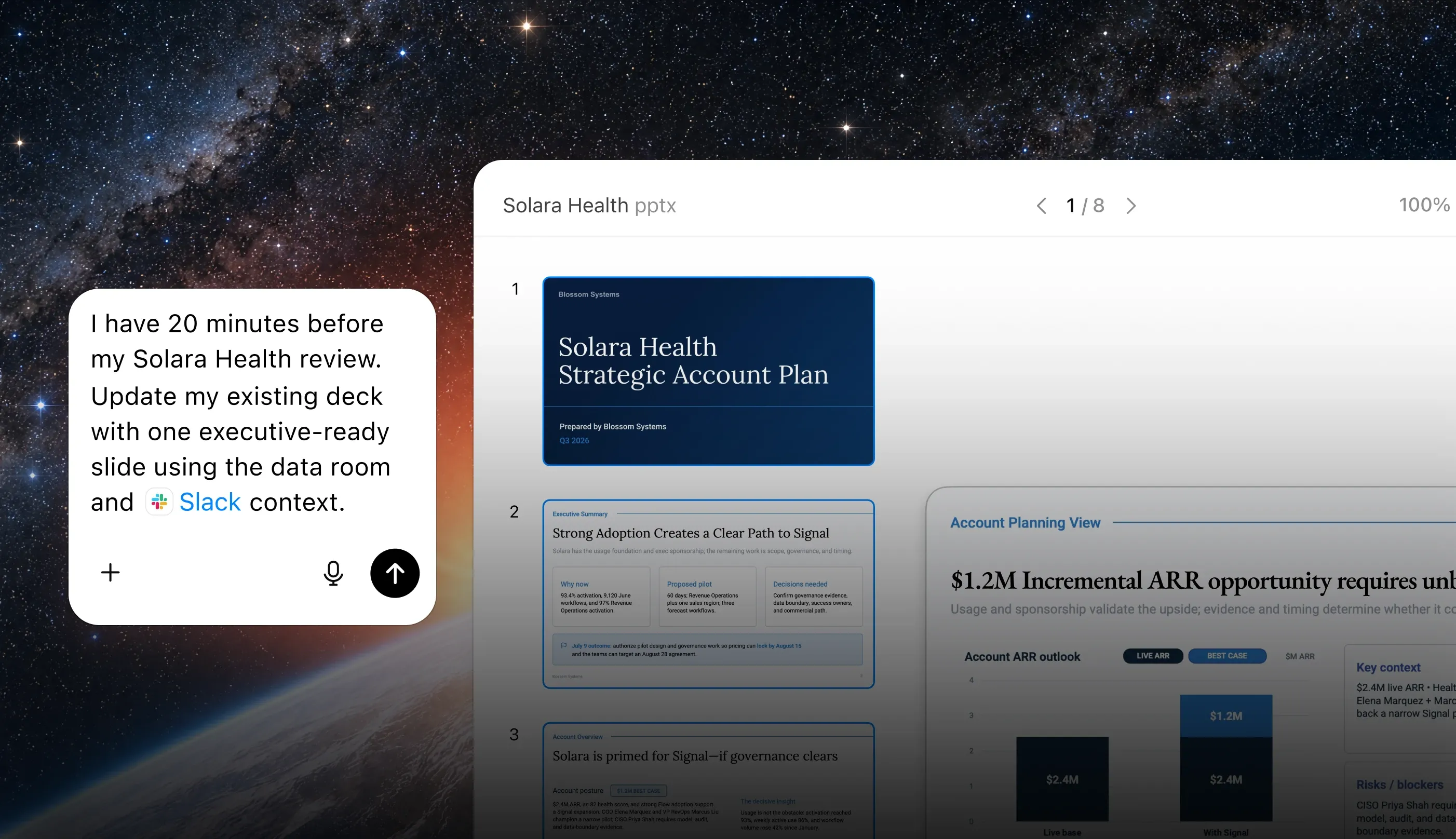
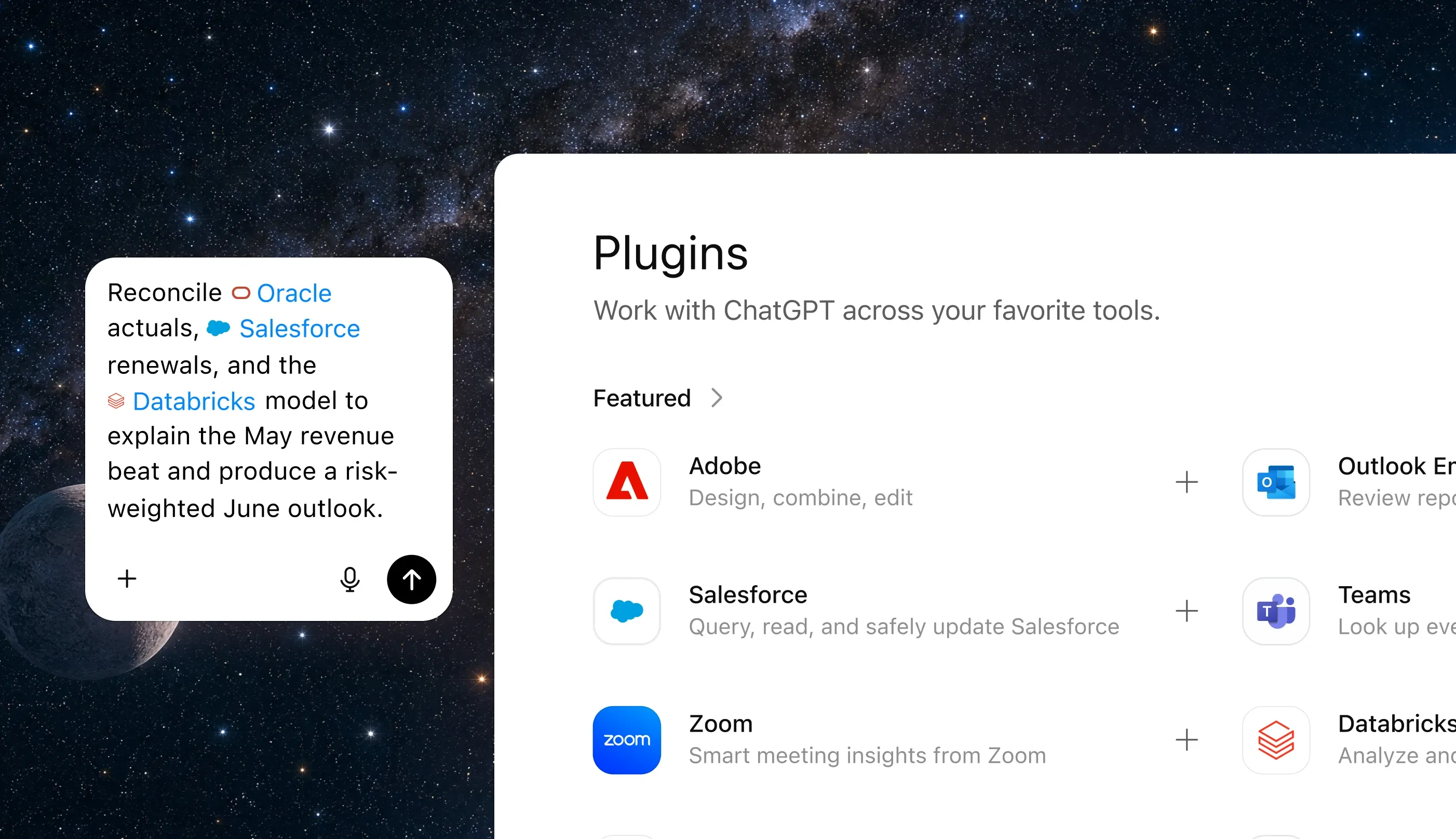
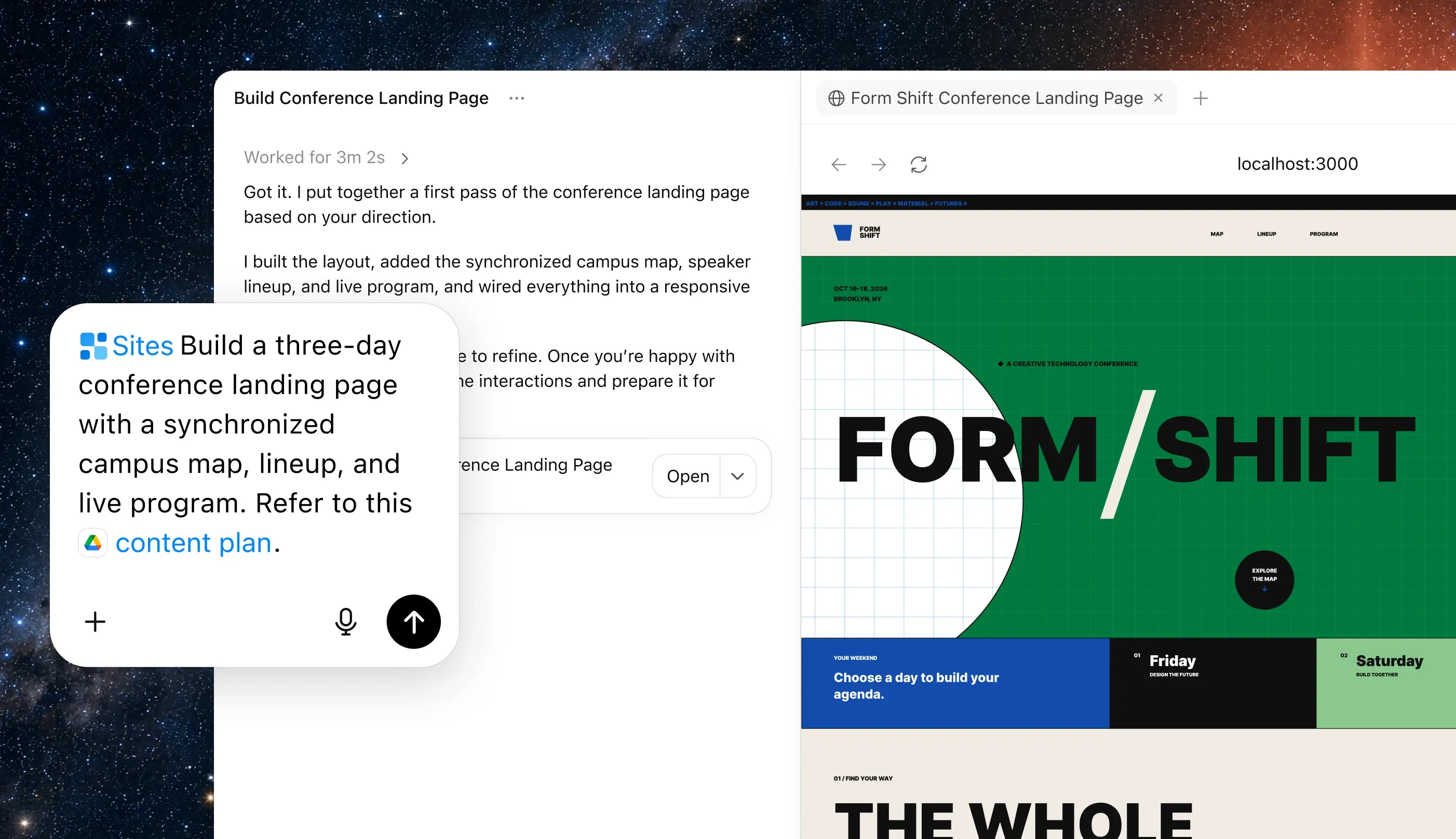
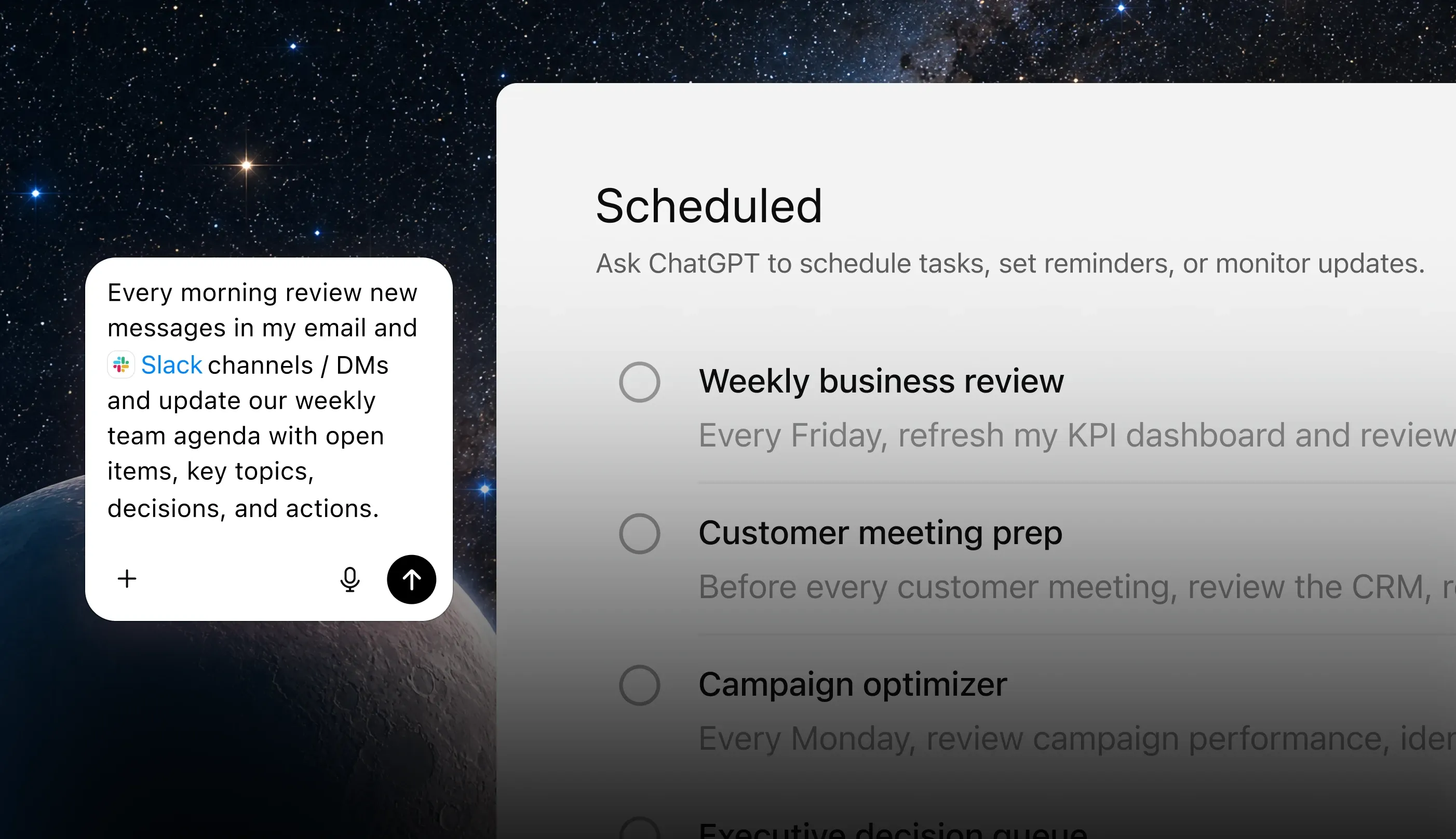
This operational gap demonstrates the engineering parameters illustrating why OpenAI Launches ChatGPT Work in the professional domain. According to platform deployment notices, the system leverages the GPT-5.6 Sol engine to execute complex, long-running background tasks. It connects directly with corporate data systems, Slack interfaces, and Google Drive directories to compile scattered project contexts. Rather than waiting for continuous manual guidance, the programmatic agent autonomously schedules meetings, structures financial models, and builds interactive websites. For engineering teams, this shift illustrates a fundamental architectural rule: the future of software interaction belongs to systems that delegate multi-step executions to server-side background handlers rather than relying on standard manual client-side triggers.
Under-the-Hood Mechanics of the OpenAI Launches ChatGPT Work Architecture
At the protocol level, standard web browsers and chat systems operate on a stateful turn-by-turn sequence. When a user enters a query, the client transmits the payload, the server returns the output, and the connection is closed. In standard configurations, this process creates severe bottlenecks for complex workflows because the system cannot maintain active, multi-agent context across separate applications or long-running background processes.
To resolve these stateless limitations, the latest desktop architecture relies on a decoupled, multi-agent delegation pipeline. Under this model, the continuous user interaction is handled by a lightweight full-duplex voice or text interface, while the deep, multi-step computations are delegated to high-capacity background processing nodes. A simplified execution model is illustrated below:
The Multi-Agent Delegation Pipeline: Decoupling Interaction and Execution
To handle complex tasks without interrupting active user sessions, the platform’s backend separates real-time communication from heavy, multi-step logical execution. This structure divides the workload across distinct operational nodes:
- Continuous Interaction Layer (GPT-Live): Operating on a full-duplex architecture, this layer continuously processes user input and generates real-time audio or visual responses, maintaining active engagement without waiting for full calculations to complete.
- Autonomous Task Delegator (GPT-5.6 Sol): When a query requires extensive data retrieval or cross-application actions, GPT-Live delegates the task to the Sol processing engine.
- Parallel Multi-Agent Orchestrator (Ultra Mode): For highly complex engineering or analytical workloads, the system coordinates four independent, parallel agents to explore alternative pathways, verify code blocks, and merge results.
The diagram below illustrates this distributed execution flow:
                  [ User Real-time Interaction ]
                               │
                               ▼
                  [ GPT-Live Full-Duplex Layer ] (Zero-latency Speech/UI)
                               │
                               ▼
                  [ GPT-5.6 Sol Background Delegator ] (Task Planning & Tool Calls)
                               │
                               ▼
         ┌─────────────────────┼─────────────────────┐
         ▼                     ▼                     ▼
  [ Agent Node A ]      [ Agent Node B ]      [ Agent Node C ] (Ultra Mode Parallel Execution)
This decoupled architecture ensures that complex task executions can run continuously in the background for hours without locking the client interface. Although memory bandwidth and application attribution belong to different engineering domains, both architectures must preserve operational context across distributed systems. When user interactions are decoupled from standard client-side state tracking to satisfy privacy guidelines, maintaining seamless session continuity across different web and mobile environments becomes highly complex. Just as autonomous agents require persistent, server-side data pools to maintain session integrity during distributed tasks, downstream marketing pipelines require robust, server-side data preservation to correlate separate installation events without relying on vulnerable client-side cookies or device-level attributes.
Build vs. Buy: Managing Server-side Attribution and Parameter Pass-through
As modern computing environments move away from local, client-side identifiers, maintaining context across distributed digital touchpoints has become a primary engineering challenge. For developers, managing session states in the OpenAI Launches ChatGPT Work era requires architectures that are both compliant with data privacy laws and highly accurate. Organizations that need to preserve user journeys across web and mobile experiences increasingly rely on server-side session management rather than persistent client-side identifiers. Depending on business requirements, teams may build these capabilities internally or adopt existing attribution platforms.
Architectural Evaluation: Custom Build vs. Standardized SDK
Building a custom, in-house system to manage server-side state matching offers maximum flexibility but demands significant ongoing engineering resources. Developers must manually construct database schemas, write secure cryptographic hashing functions, and continually update the system to comply with shifting regional regulations. Conversely, deploying a pre-built, certified SDK reduces integration complexity and guarantees long-term compliance without additional overhead.
The table below compares standard methodologies for managing session state and conversion context:
| Solution | Context Restoration | Data Throughput | Best For |
|---|---|---|---|
| In-house Server-side Attribution | High (Continuous Sync) | Medium (DB Latency Limits) | Custom enterprise environments with highly specialized storage logic |
| Browser-based Session Tracking | Low (Session Cookies) | Low (No Server Logging) | Basic website tracking with minimal cross-domain conversion requirements |
| Server-side Attribution Platform (e.g. OpoInstall) | High (Programmatic parameter pass-through) | High (Standardized Sandbox) | High-concurrency mobile app and multi-platform campaign attribution |
Recent GPU architecture research also demonstrates that memory access efficiency frequently determines overall inference throughput more than raw arithmetic performance. While custom database configurations can handle basic context, specialized server-side state preservation can optimize development resources. Depending on implementation requirements, organizations may build their own server-side session management system or adopt commercial platforms such as OpoInstall. For instance, OpoInstall offers server-side state restoration and parameter pass-through frameworks, preserving attribution parameters through server-side context restoration to maintain session continuity anonymously, without storing sensitive, long-term personal conversational history. By mapping session metadata to a centralized database rather than relying on browser-based redirects, such a system ensures that conversion contexts remain consistent even when initial tasks are executed anonymously. Engineering teams can evaluate these approaches to balance data protection and measurement consistency.
Integration Checklists: Preparing Your Architecture for Autonomous Agent Workflows
To secure data pipelines and ensure conversion consistency as platforms transition to autonomous agent architectures, engineering and product teams must adopt robust state preservation workflows.

Developer Implementation Checklist
- Audit API Tool Definitions: Review all integrated application tool schemas to ensure that standard parameter definitions are structured precisely for zero-shot agent parsing.
- Transition to Server-Side Session Matching: Implement stateless session handshakes, utilizing temporary tokens to pass user parameters securely across endpoints.
- Deploy Cryptographic Request Signatures: Protect API endpoints from automated spoofing by requiring cryptographic signatures on all state-matching requests.
- Enforce Secure Sandbox Environments: When deploying desktop integrations, utilize containerized runtimes to isolate local file access from sensitive system directories.
Product & Growth Strategy Checklist
- Reorganize User Experience Flows: Focus on task-oriented, high-utility pathways that do not rely on local client-side cookie persistence.
- Deploy Non-Intrusive Parameter Tracking: Leverage robust, server-side parameter pass-through frameworks to maintain acquisition tracking without violating user privacy guidelines.
- Verify System Scalability: Ensure that your session-matching databases can scale horizontally to support high-throughput, real-time conversion queries.
- Optimize Desktop Distributions: Package production-ready integrations securely, making the client available via the Windows Desktop client.

By establishing these structured guidelines, development teams can transition their applications to safer, more compliant architectures while maintaining operational continuity.
Frequently Asked Questions (FAQ)
Why is Codex being merged into the ChatGPT desktop application?
How does ChatGPT Work handle long-running multi-step task execution?
What is the difference between the single-agent baseline and ultra multi-agent configurations?
As AI platforms adapt to new regulatory requirements, engineering teams will increasingly rely on stateless architectures, server-side session management, and privacy-first design. Evolving data architectures require a fundamental shift in how we build and measure digital experiences. As stateless proxies and headless scrapers become standard consumers of web content, traditional client-side attribution models will continue to degrade. Relying on standard cookies and referrers is no longer sufficient to secure the data pipelines that drive user acquisition.
To maintain growth, engineering and product teams must prioritize stateless data structures and server-side state preservation. Implementing robust server-side parameter pass-through frameworks and context restoration will help organizations maintain reliable attribution and session continuity in increasingly agent-driven environments.
Share this article