Pony.ai Plans 200 Robotaxis for Korea? Chinese autonomous driving company Pony.ai and South Korea’s FutureLink have signed a strategic partnership to introduce up to 200 seventh-generation Level 4 robotaxis into South Korea, beginning with 10 vehicles for domestic certification before a broader rollout toward commercial service targeted around 2028. As autonomous vehicle technology expands from domestic trial zones into international operational partnerships, smart mobility ecosystems are experiencing a major operational shift. Historically, ride-hailing networks relied on localized driver fleets and static regional dispatch engines. Today, because autonomous mobility platforms operate across international markets and integrate with digital travel channels, connected mobility services require seamless user onboarding and cross-platform parameter preservation.
The Commercial Expansion: Why Pony.ai Plans a 200-Robotaxi Fleet in South Korea
At a Glance
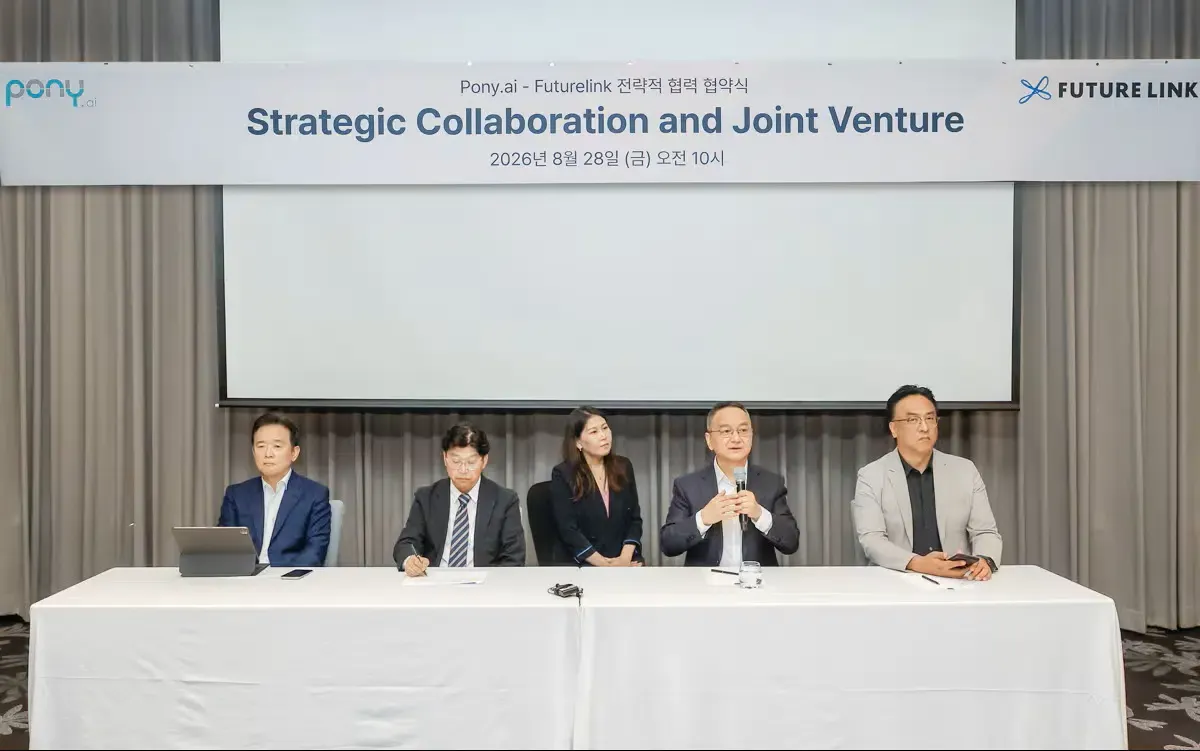
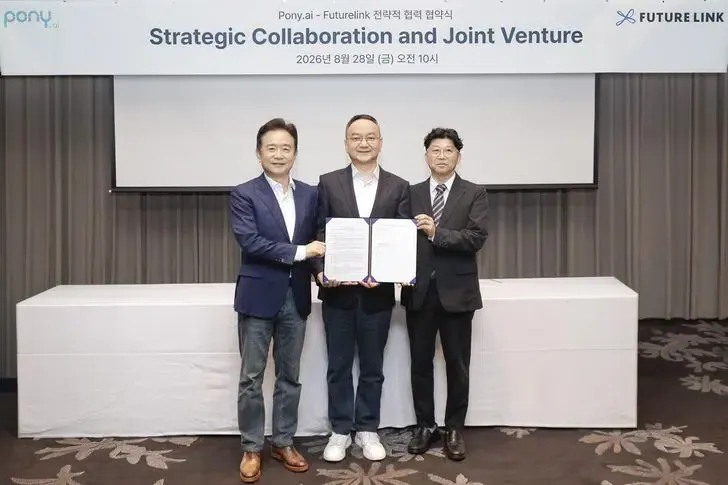
- Pony.ai and South Korean mobility firm FutureLink signed a strategic partnership on August 28, 2026, to introduce seventh-generation Level 4 robotaxis to the South Korean market.
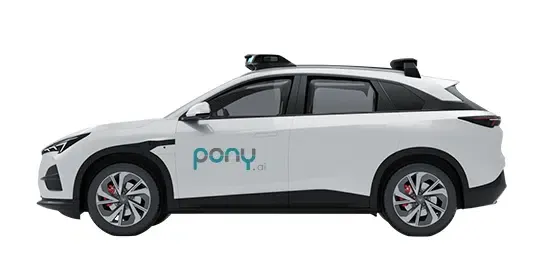
- The deployment plan begins with an initial batch of 10 vehicles for domestic government certification, targeting an expansion to 200 total units manufactured by BAIC Group.
- FutureLink says its earlier testing in Seoul’s Gangnam district accumulated roughly 80,000 accident-free kilometers, supporting plans to establish commercial service around 2028.
The globalization of autonomous driving technology is entering an active deployment phase. For years, autonomous vehicle development remained concentrated in isolated urban test tracks and domestic trial zones. Operating driverless fleets at scale requires deep hardware integration, regulatory market access, and trusted local operational infrastructure. South Korea represents a strategic international expansion for autonomous mobility, supported by strong municipal smart-city initiatives and a high-density urban transport landscape.
To establish commercial service in this competitive market, Pony.ai has structured an operational partnership with local mobility firm FutureLink. As reported by The Korea Times, FutureLink will manage local regulatory certification, service operations, and regional customer support, while Pony.ai supplies the complete Level 4 autonomous driving hardware and software stack. More broadly, this division of responsibility demonstrates how international autonomous vehicle operators leverage regional partnerships to navigate strict local homologation and market entry barriers.
This operational roadmap explains why tracking how Pony.ai Plans 200 Robotaxis for Korea serves as a key milestone for cross-border smart travel. According to SBS News coverage, the seventh-generation robotaxi platform is co-developed with BAIC Group, featuring factory-installed sensor suites and redundant braking, steering, and power systems. The BAIC-based vehicles integrate Pony.ai’s Gen-7 system during production rather than as an aftermarket retrofit. Separately, Pony AI Inc. corporate disclosures indicate that the Gen-7 kit has reduced bill-of-materials costs by about 70% compared with the previous generation, establishing a more scalable economic model for international fleet operators.
The Multimodal Routing Challenge: Integrating Autonomous Fleets with Digital Acquisition Channels
At the interaction layer, expanding autonomous taxi operations into commercial fleets introduces complex user acquisition and routing dynamics. In traditional ride-hailing, local users typically access services through a single pre-installed application. In modern connected mobility ecosystems, however, prospective passengers frequently discover autonomous transit options through diverse digital touchpoints, web portals, transit guides, and promotional campaigns.
According to reporting by Seoul Economic Daily, Pony.ai and FutureLink plan to transition from technology verification toward commercial service after completing domestic certification. For a separate digital acquisition scenario, mobility operators promoting booking services through external marketing channels may also need to manage the transition from campaign links into native mobile applications.
The Acquisition Path: External Digital Channels to Native Autonomous Dispatch
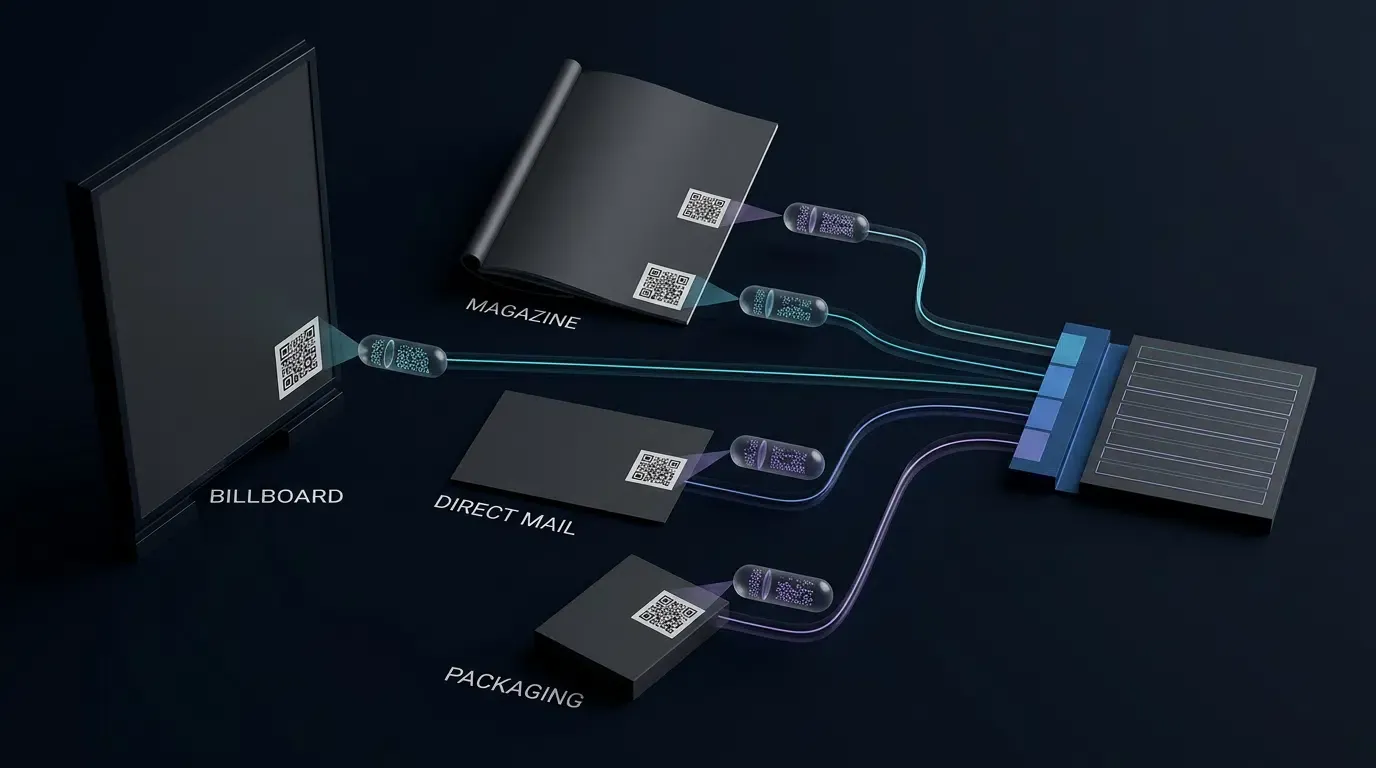
Standard web attribution models often encounter friction when guiding users across mobile app store boundaries. The diagram below illustrates how connected mobility journeys transition from external discovery touchpoints to native application dispatch:
[Digital Mobility Discovery]
  External Promotional Channel / Web Portal ──> Ride Offer / Mobility Campaign

[Connected App Install Journey]
  Targeted Campaign Link ──> App Store Download Boundary ──> First App Launch ──> Context Restored
If a mobility operator uses a promotional link or campaign voucher to acquire a new passenger, the journey transitions from an external web browser to the app store. In mobile user acquisition, browser cookies and arbitrary URL parameters do not automatically carry over into newly installed native applications, creating a potential drop-off point where passengers must manually re-enter promo codes or destination information.
This structural disconnect shows that scaling smart travel networks benefits from reliable parameter preservation. Preserving campaign metadata across the app store installation boundary helps preserve the information needed to configure the intended dispatch view upon first launching the application.
Build vs. Buy: Managing Attribution and Parameter Continuity in Connected Mobility Apps
As autonomous mobility operators expand commercial fleets and partner with digital marketing channels, managing campaign context across digital touchpoints requires dedicated software infrastructure. When a prospective rider discovers a robotaxi service through an external web campaign and proceeds to install the native app, marketing and engineering teams face a choice between building custom session-matching databases or deploying standardized attribution SDKs.
Architectural Evaluation: Custom Build vs. Standardized SDK
Constructing an in-house attribution system requires engineering teams to build custom URL generation tools, maintain cross-platform attribution and context-restoration logic, and manage backend data infrastructure to comply with regional privacy regulations. While this approach offers complete internal control, it introduces substantial ongoing engineering overhead. Conversely, deploying a standardized, pre-built measurement SDK provides cross-platform parameter preservation and reduces the custom infrastructure teams need to maintain.
The table below outlines how different attribution methodologies handle campaign context across promotional portals and mobile app installation boundaries:
| Solution | Platform Coverage | Install-Boundary Context | Engineering Ownership | Maintenance Burden | Best Fit |
|---|---|---|---|---|---|
| In-house Session Matching | Custom (Android/iOS) | Supported via Custom Backend | Complete Internal Control | High (Ongoing Maintenance) | Large transport conglomerates managing private cloud server infrastructure |
| Standard App Store Links | Native App Stores | No generic custom parameter restoration | Platform-managed / minimal custom engineering | Minimal | Basic promotional campaigns where contextual passenger routing is not required |
| Deferred Deep Linking SDK | Multi-Platform (Android/iOS/Web) | Supported via Parameter Restoration | Managed via Standard SDK | Low (Pre-built Integration) | Smart travel and mobility apps scaling user acquisition and partner referrals |
For smart mobility applications running acquisition campaigns that lead from external web channels into native apps, specialized platforms such as Adjust, AppsFlyer, Branch, and OpoInstall provide dedicated deferred deep linking capabilities. For instance, OpoInstall documents server-assisted parameter restoration workflows in which eligible campaign IDs, referral parameters, or advertiser-defined destination parameters can be recovered by the Android or iOS SDK after installation. If the operator attaches an eligible parameter to the promotional link, the mobility application can retrieve the restored value on first launch to configure the intended booking flow, supporting consistent measurement continuity across acquisition channels.
Integration Checklists: Preparing Mobility Platforms for Connected Robotaxi Ecosystems
To successfully operationalize digital mobility campaigns, growth and engineering teams can establish structured integration workflows that connect external touchpoints with native dispatch systems.
Developer Implementation Checklist
- Configure Parameter Validation: Ensure promotional links generated for digital transit channels apply appropriate parameter validation to prevent unauthorized tampering.
- Integrate Required Attribution SDKs: Embed supported measurement SDKs within the native mobile application to listen for restored booking parameters upon first launch.
- Implement Dynamic Dispatch Routing: Program the destination application to read incoming campaign tags and configure relevant routing views or promotional discounts for new riders.
Product & Growth Strategy Checklist
- Structure Multichannel Campaign Funnels: Align promotional incentives across regional transit portals and web landing pages to create cohesive onboarding journeys.
- Audit Install Boundary Continuity: Verify deep link and deferred deep linking flows across multiple mobile operating systems to confirm parameter continuity.
- Monitor Cohort Retention Metrics: Track passenger lifetime value and repeat ride frequency from partner acquisition channels against direct organic app installs.
By pairing autonomous fleet deployments with robust parameter-passing frameworks, mobility operators can deliver frictionless onboarding for new passengers while maintaining clear visibility into customer acquisition performance.
Frequently Asked Questions (FAQ)
When will Pony.ai's driverless robotaxis begin commercial operations in Seoul?
How is data management handled under the South Korea deployment?
When is deferred deep linking useful for smart travel and mobility applications?
Key Takeaways for Engineering Teams
The international expansion of autonomous robotaxi fleets highlights the growing convergence of artificial intelligence, automotive manufacturing, and digital transit networks. As Level 4 driverless services scale across metropolitan centers, user acquisition will increasingly rely on seamless cross-platform digital integrations.
To maximize passenger adoption and campaign efficiency, engineering and growth teams may benefit from connecting external acquisition funnels with robust downstream measurement. Implementing server-assisted parameter restoration, dynamic deep linking frameworks, and localized onboarding flows will help mobility platforms scale connected passenger journeys while maintaining accurate attribution across diverse acquisition channels.
References
-
The Korea Times. Pony.ai to Bring 200 Level 4 Robotaxis to Korea by 2028. https://www.koreatimes.co.kr/business/tech-science/20260830/ponyai-to-bring-200-level-4-robotaxis-to-korea-by-2028
-
SBS News. 200 Chinese Robotaxis to Run on South Korean Roads Starting in Seoul. https://news.sbs.co.kr/english/article.do?news_id=N1008728721
-
Seoul Economic Daily. Chinese Robotaxis Head to Seoul Roads With 200 BAIC Vehicles. https://en.sedaily.com/finance/2026/08/30/chinese-robotaxis-head-to-seoul-roads-with-200-baic-vehicles
-
Pony AI Inc. Drives Commercialization at Scale with Lower-Cost Robotaxis. https://ir.pony.ai/news-releases/news-release-details/pony-ai-inc-drives-commercialization-scale-lower-cost-robotaxis
-
Maeil Business Newspaper. Pony.ai to Introduce 200 Robotaxis to Seoul by 2028. https://www.mk.co.kr/en/business/12139846
Share this article