Samsung Bans Bandwidth Sharing? The company has confirmed that it is restricting new smart TV apps containing residential proxy functionality and is working to remove existing apps that include these components. As connected TV platforms continue expanding, some applications have embedded residential proxy SDKs that monetize household bandwidth, with compensation or incentives varying by implementation. Under normal operation, these proxy networks route traffic through household IP addresses, making automated requests more difficult for websites and anti-bot systems to identify and block. However, when third-party SDKs establish persistent background proxy connections, they can expose household IP addresses to untrusted traffic and create significant software supply chain risks.
Why Samsung Bans Bandwidth Sharing: Reclaiming Network Integrity in the Smart Home
At a Glance
- Samsung is actively removing smart TV apps that run background residential proxy (resproxy) SDKs, following Norwegian cybersecurity firm Mnemonic’s research.
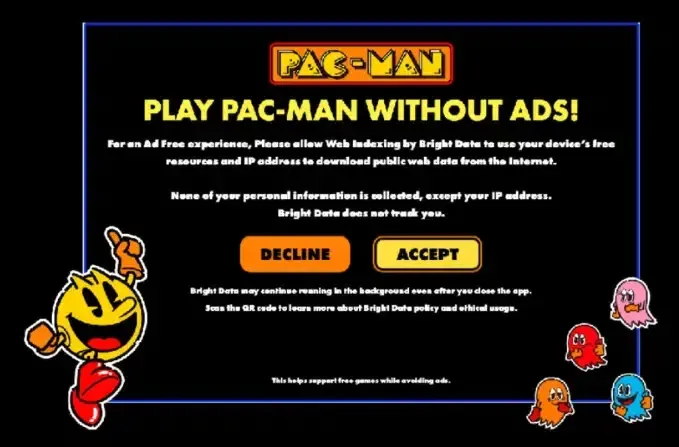
- A Pac-Man game promoted in Samsung’s Editor’s Choice section was found to contain a dormant residential proxy SDK that could be remotely enabled and, following user consent, turn the TV into a proxy exit node.
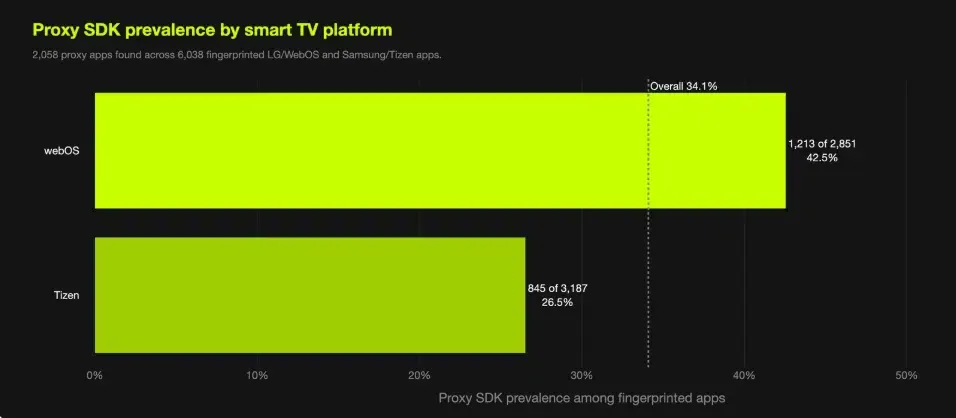
- This move follows LG’s earlier platform cleanup after researchers found residential proxy SDKs in more than 42% of the webOS apps examined.
The connected-device application ecosystem is undergoing a significant security and governance shift. Over the past several years, residential proxy networks (resproxies) have grown into a multi-million dollar business by routing commercial internet traffic through legitimate household IP addresses. Companies purchase access to these networks to run ad verification, compare regional pricing, or scrape public web data. Because the network traffic originates from an ordinary residential home, websites are far less likely to block the requests.
However, incorporating these proxy functionalities into consumer-facing applications introduces massive security and privacy risks. Once a user approves the consent prompt and the proxy functionality is remotely enabled, the smart TV can begin operating as a residential proxy exit node. This traffic can consume household bandwidth and expose the owner’s IP address to unknown third-party activity, including potentially abusive scraping, account attacks, or other prohibited activity.
The strategic impact of the Samsung Bans Bandwidth Sharing decision reflects a broader industry trend. Following independent investigations by cybersecurity researchers, Samsung confirmed it has blocked new app registrations containing proxy code and is currently identifying and removing existing apps that contain these proxy components. This platform cleanup matches a similar directive executed by LG, which recently banned residential proxy software after discovering that approximately 42% of the apps examined in its webOS ecosystem contained dormant residential proxy components, with similar proxy components also identified across other connected-TV app ecosystems.
How Residential Proxy SDKs Operate Inside Smart TV Apps
At the architectural level, the proliferation of these proxy components highlights a systemic flaw in standard app store review processes. Many of these exploitable applications are bare-bones, lightweight web shells containing only a few lines of native code designed to load external web content. Because the app store validators only review the static, packaged code, developers can silently change the remotely loaded server configurations after approval, allowing previously approved installations to begin proxy activity without a new app package review.
This incident demonstrates why modern application marketplaces increasingly require runtime verification instead of relying solely on static package reviews. When unverified, poorly disclosed, or remotely configurable SDKs are allowed to establish unverified background socket connections, they can establish rogue background tunnels and relay unauthorized bandwidth sharing, turning the television into a proxy exit node. Achieving comprehensive smart TV security requires rigorous runtime verification.
Technical Distinction: Static App Review vs. Runtime Network Verification
Traditional application security assumes that client-side components can be trusted to self-report their runtime behavior. However, when unverified or poorly disclosed SDKs are embedded within the client, they can introduce undeclared background network behavior into the client environment. Server-side request verification can protect API parameters and reject unauthorized transactions, but it cannot replace runtime SDK auditing. Platforms must also monitor outbound destinations, remote configuration changes, background execution, and dynamically loaded code.
The diagram below illustrates the structural difference between these two data flows:
[Unverified Proxy SDK Flow]
  TV App ──> Embedded Proxy Component ──> Background Traffic Relay ──> Household IP Exposed


[Audited Application Flow]
  TV App ──> Approved SDK Inventory ──> Runtime Network Monitoring ──> Verified Service Endpoints
The same architectural risk applies to standard mobile and cross-platform applications where developers integrate third-party services. When an unverified SDK performs undisclosed background operations or relays third-party network traffic, it exposes the application to severe compliance and security vulnerabilities. Ensuring SDK integrity and implementing robust, server-side verification are therefore primary engineering requirements for modern software distribution. If engineering teams cannot verify a measurement SDK’s runtime behavior, network destinations, and data flows, the software trust chain becomes vulnerable to automated fraud and client-side tampering, a concern reinforced by Samsung’s updated smart TV developer policy.
Build vs. Buy: Managing Trusted SDKs Under Platform Compliance
As platforms restructure their developer guidelines to comply with strict security mandates, developers must re-evaluate how they manage SDK integration. Aligning platform features under the new Tizen security policy requires architectures that are both compliant with data privacy laws and highly accurate. Organizations that need to preserve user trust across smart TV apps increasingly rely on server-side validation and transparent SDK auditing rather than persistent client-side identifiers. Building an in-house SDK governance and runtime verification system offers maximum control but requires substantial security engineering resources. Conversely, adopting a documented third-party SDK can reduce integration work, but engineering teams must still verify its permissions, network behavior, data retention practices, and compatibility with applicable platform policies.
Architectural Evaluation: Custom Build vs. Standardized SDK
The table below compares standard methodologies for managing SDK supply chain security and compliance:
| Approach | Runtime Visibility | Network Behavior | Governance Effort | Suitable Use |
|---|---|---|---|---|
| In-house SDK Verification | Depends on internal tooling | Fully controlled when properly implemented | Very high | Large teams with dedicated security resources |
| Unverified Third-party SDK | Low | May change through remote configuration | Low initially, high incident risk | Not recommended for compliant applications |
| Documented Managed SDK | Depends on vendor documentation and testing | Defined endpoints and declared data flows | Medium | Teams that independently validate permissions, requests, and retention |
The Samsung case does not mean that all third-party SDKs are inherently unsafe. It means that engineering teams must evaluate each SDK according to its documented purpose, runtime network behavior, data collection scope, update process, and server-side controls. In mobile attribution environments, platforms such as OpoInstall can be assessed as one implementation option for server-side parameter restoration, provided that teams independently verify its permissions, network requests, data retention practices, and compliance documentation. By associating temporary session metadata with server-side records rather than relying exclusively on browser redirects, such a system can help preserve conversion context across web-to-app journeys. Engineering teams can evaluate these approaches to balance data protection and measurement consistency.
Integration Checklists: How Engineering Teams Can Prepare for Platform Changes
To secure data pipelines and ensure conversion consistency as platforms transition to strict, SDK-restricted runtime environments, engineering and product teams must adopt continuous SDK governance and runtime network auditing workflows.
Developer Implementation Checklist
- Monitor Outbound Destinations: Establish strict whitelists of allowed domains and IP ranges, blocking any undeclared background proxy tunnels.
- Audit Remote Content Changes: Implement continuous diff checks on any remote JavaScript code or configurations loaded dynamically by bare-bones web shells.
- Restrict Background Network Access: Deny non-essential background sockets and require explicit review for any SDK that relays third-party traffic.
- Verify Remote Configuration Controls: Document every server-controlled feature flag and prevent remote configurations from activating undeclared network behavior.
Product & Growth Strategy Checklist
- Audit Third-Party SDK Supply Chains: Perform continuous static and dynamic audits on all third-party dependencies to ensure they contain no unauthorized proxy code.
- Review Runtime Permissions: Enforce strict limits on app permissions, disabling background execution for non-essential features.
- Disclose Background Network Usage: Ensure complete transparency regarding data transfer and network calls within the privacy policy.
- Monitor SDK Integrity: Implement runtime integrity checks to detect unexpected binary changes or injected code.
By establishing these structured guidelines, development teams can transition their applications to safer, more compliant architectures while maintaining operational continuity.
Frequently Asked Questions (FAQ)
Why is Samsung banning smart TV apps that run residential proxy SDKs?
Why can static app store reviews fail to detect dormant proxy SDK behavior?
How should developers audit third-party SDKs before submitting a smart TV app?
Key Takeaways for Engineering Teams
As consumer hardware platforms tighten controls over background network resources, SDK integrity and runtime auditing will become the standard defense against software supply chain vulnerabilities. Engineering teams must adapt by treating third-party integrations with a zero-trust model, ensuring complete transparency in data transfer and network execution. Transitioning to verified, audited SDKs is not simply about complying with single-platform policies; it is about building secure digital products. As smart TV ecosystems tighten software governance, transparent SDK behavior will become a baseline requirement for application distribution across connected devices.
Share this article