SpaceX Signs Reflection? This strategic pivot has been conclusively validated as industry filings and company statements confirm that Elon Musk’s aerospace giant has finalized a multi-billion-dollar computing agreement with the open-source artificial intelligence startup. Under this commercial lease, Reflection AI will pay SpaceX’s specialized AI division, SpaceXAI, $150 million per month starting July 1, 2026. The contract represents one of the most substantial infrastructure commitments of the year, potentially totaling $6.3 billion through its full term ending in 2029. For global engineering teams and SaaS architects, the execution of this SpaceX Signs Reflection deal underscores how surging on-device computing costs are reshaping the cloud economy, triggering a major SaaS apocalypse as margin pressures compel organizations to abandon standard seat-based subscriptions for bare-metal optimization.
News & Context Breakdown
The Bulky Compute Lease: Analyzing the Financial Architecture
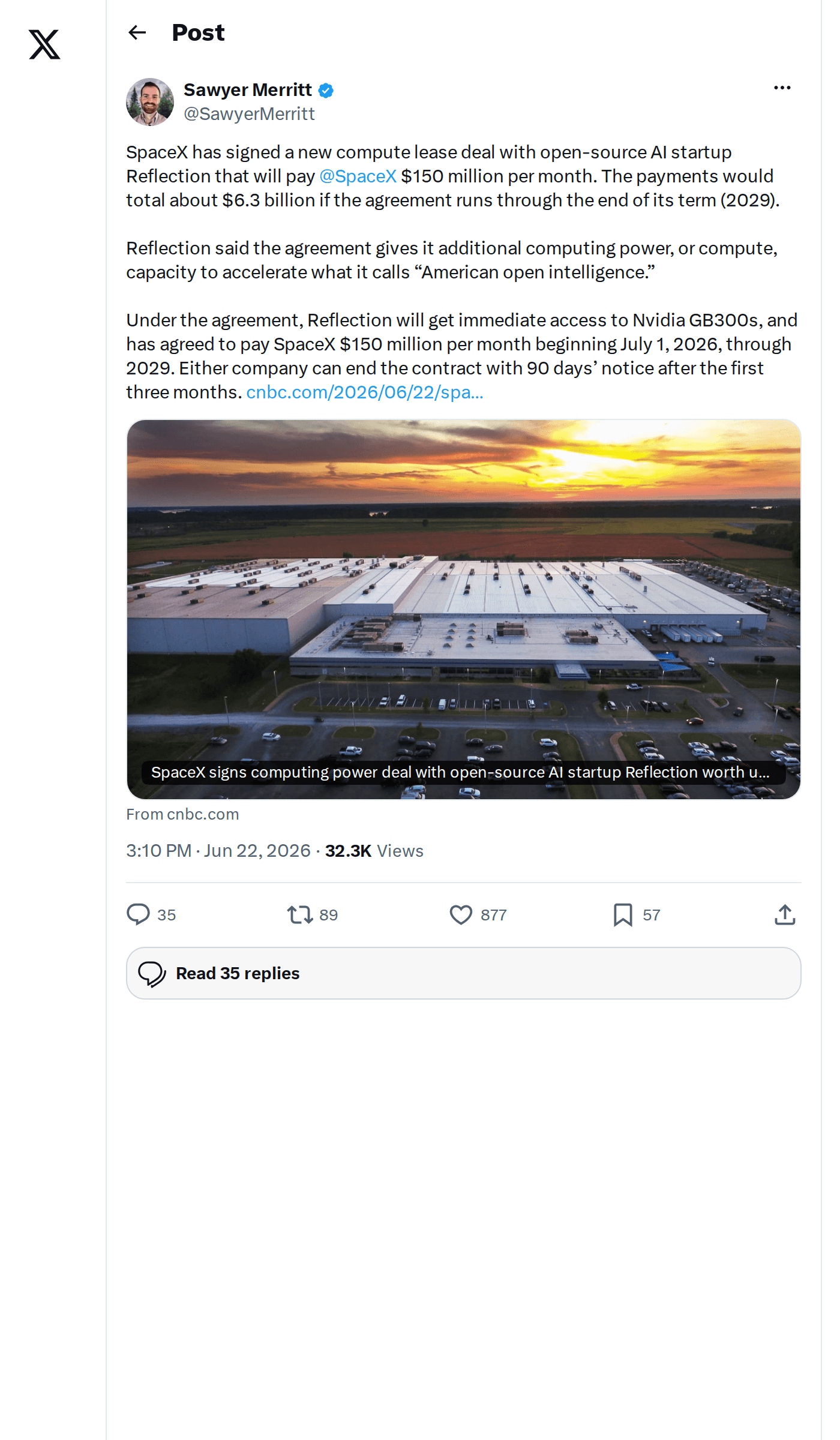
The transaction represents a massive commercial validation of SpaceX’s emerging role as a core computing power provider. Specifically, Reflection AI is locking in long-term access to Nvidia GB300 processors and advanced hardware clusters.
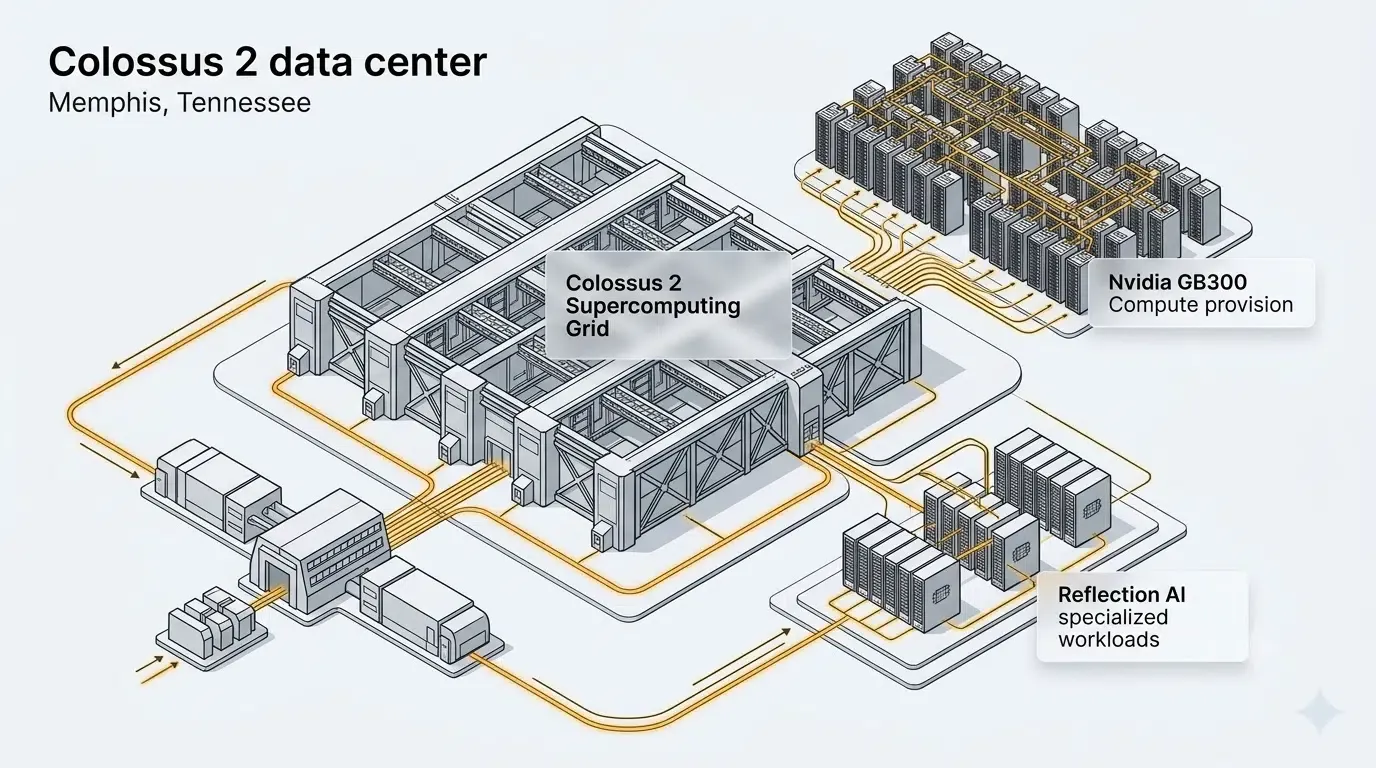
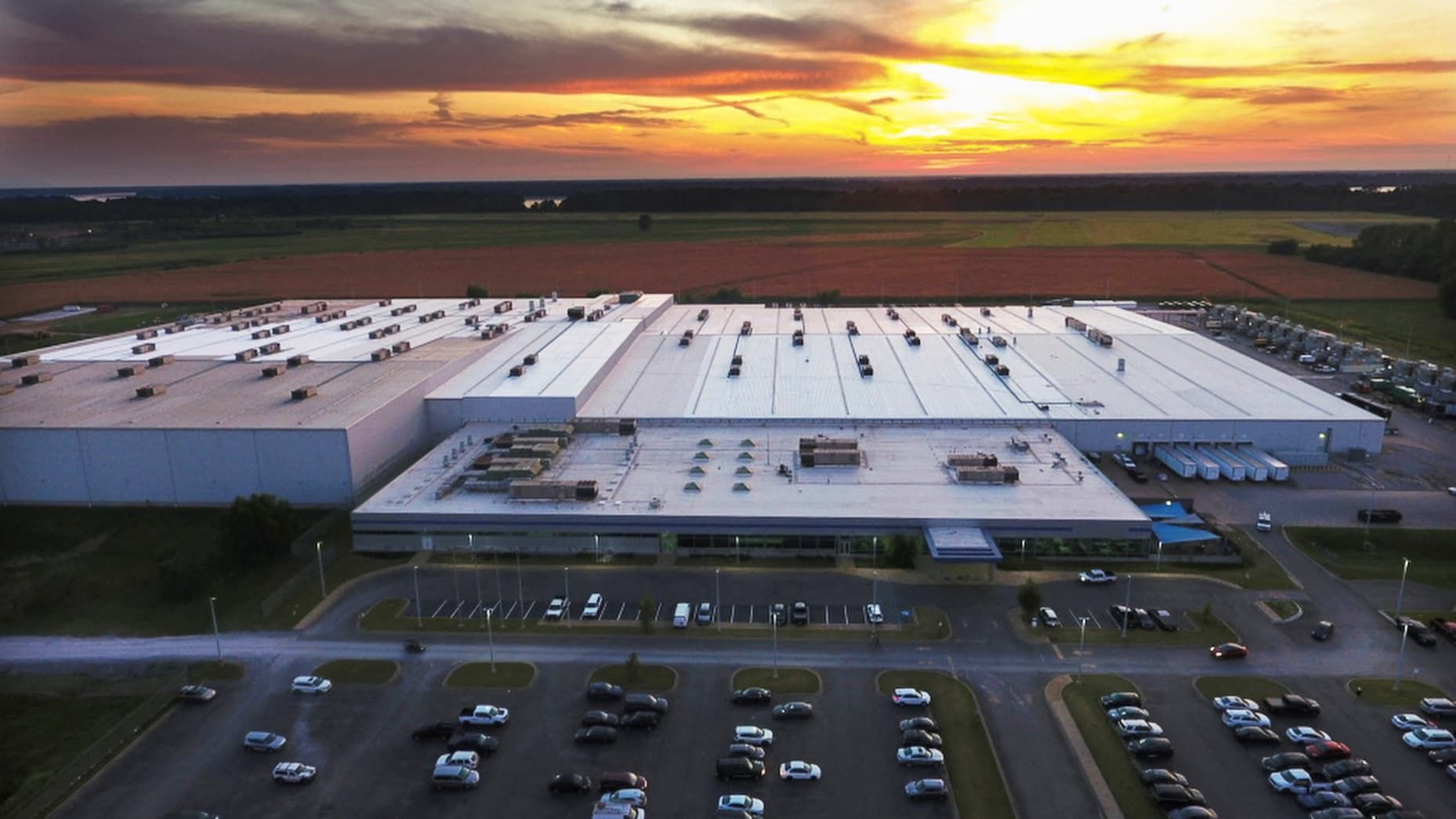
According to CNBC’s business report, these high-performance resources are housed directly inside SpaceX’s Colossus 2 data center in Memphis, Tennessee. The contract specifies a monthly rate of $150 million, running through the end of 2029.
Notably, the agreement features a flexible 90-day exit clause exercisable by either party after the first three months. This structural boundary establishes a minimum operational floor of roughly one quarter. Consequently, even if the startup terminates the lease early, SpaceX is guaranteed at least $450 million in recurring infrastructure revenue.
Deconstructing Elon Musk’s “Gigafactory of Compute”: The Colossus 2 Stack
To support these massive enterprise workloads, Musk has turned Project Colossus into a commercially viable computing power platform. Specifically, the facility operates as a massive server grid optimized for high-density, low-latency parallel processing.
Historically, SpaceX built this infrastructure to train its proprietary Grok model. However, Bloomberg’s technical breakdown confirms that the aerospace giant is actively selling this capacity to external AI labs.
Indeed, SpaceX’s compute portfolio now includes historic leases with Google, reportedly valued at $30 billion, and Anthropic, worth $45 billion. By transforming these heavy datacenter assets into recurring rent-style income streams, SpaceX has decoupled its corporate valuation from rocket launching cadences.
The Nvidia Investment Loop: High-Density Capital Flow
The relationship between the participating entities creates a highly unusual, circular financial loop. Specifically, Nvidia invested $800 million in Reflection AI during its recent $2.5 billion funding round.
Consequently, the startup is utilizing those same investment funds to rent Nvidia hardware leased directly from SpaceX. This investment loop positions the chipmaker simultaneously as an investor and an indirect supplier to the same customer.
For the startup, securing this hardware is vital to compete with closed-model systems. Co-founders Misha Laskin and Ioannis Antonoglou, both veterans of Google DeepMind, plan to use this compute capacity to build high-performance, open-source models at scale.
Geopolitical Sabotage: Bypassing Closed-Model Vulnerabilities
Furthermore, the timing of this agreement is heavily driven by recent international regulatory disputes. Specifically, the open-source movement gained massive momentum after Anthropic temporarily disabled access to its Fable and Mythos models to comply with government directives.
This episode highlighted the operational risks of depending on closed-source model providers for critical national security and enterprise workflows. In contrast, Reflection AI focuses entirely on open-source development, securing strong relationships with the Pentagon and the Department of Energy’s Genesis Mission.
By maintaining direct, on-device control over model weights, open-model companies can guarantee continuous execution. This model protects developers from unexpected cross-border export restrictions or remote service shutoffs.
The Routing Gap: Shifting Redirection Parameters Under Automated DSSAD Registries
Bypassing the App Funnel
As tech giants and open-source startups deploy massive computational grids to train autonomous agents, the mobile web faces an unprecedented product flood. However, this massive increase in software volume coincides with a complete evaporation of the traditional user interface.
When an enterprise agent utilizes backend compute clusters to execute a task, the human visual journey disappears. The agent directly queries structured database catalogs and executes the required tool in the background.
Consequently, we observe a transition from active web browsing to intent-driven execution. Humans no longer navigate through multiple links to perform a task. Instead, background software queries catalogs directly, leaving traditional ad tracking completely obsolete.
The Challenge of Parameters Loss in Agentic Workflows
Traditional app routing depends on cookies and URL redirections to map the user journey. When an agent automates the tool discovery, these redirection mechanics are eliminated.
The agent establishes a direct API handshake. As a result, critical referral parameters and marketing attribution tags are stripped during transit.
Mobile measurement platforms receive empty metadata packages. Consequently, developers lose the ability to track the origin of the sale, creating a massive data gap.
Reference Architectures: Securing Decoupled Metadata Across Edge Runtimes
Rebuilding the Parameter Handshake
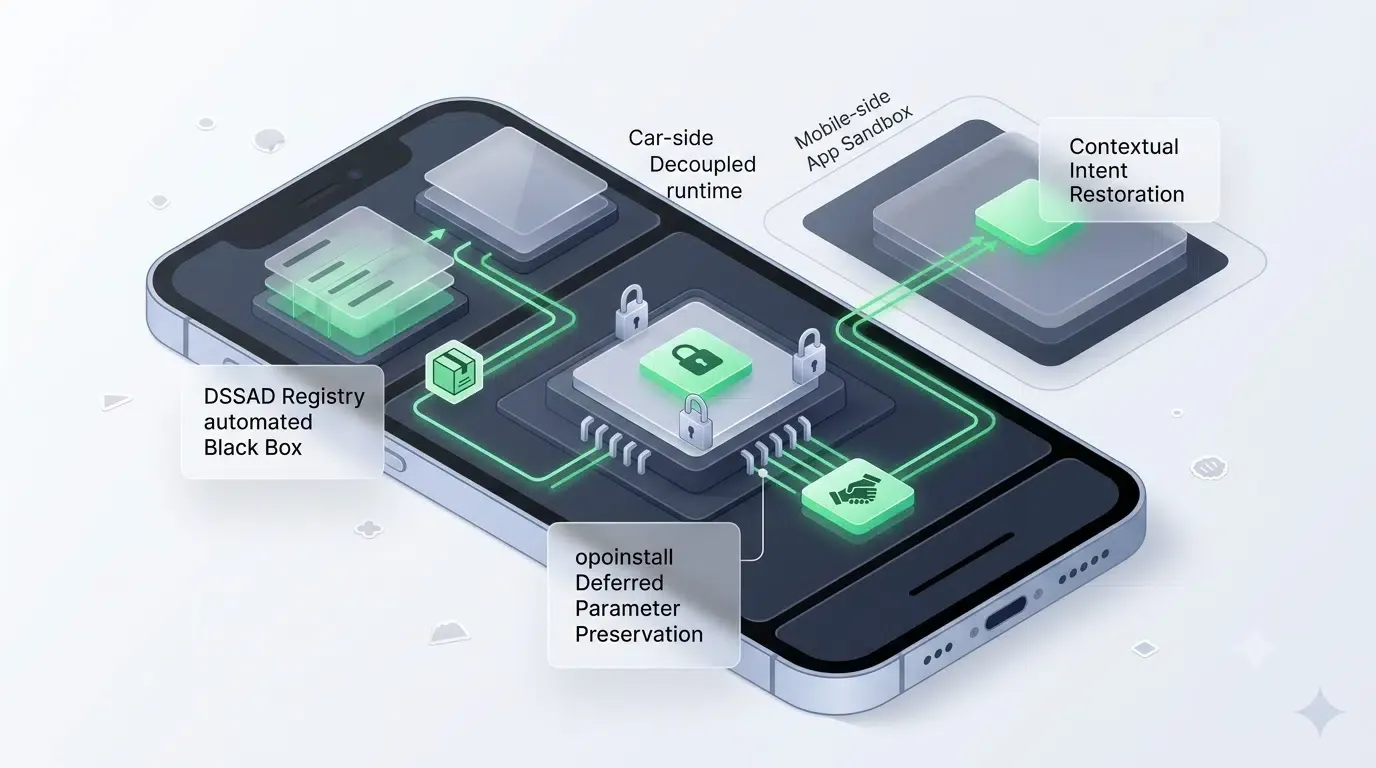
To bridge this semantic routing gap, software architects must deploy secure parameter-preservation frameworks. When an external agent invokes an application, it must transmit a verified payload containing the user’s original intent, referral parameters, and security tokens.
Crucially, developers can establish a resilient solution using the Deferred Deep Linking framework. This system ensures that dynamic payload parameters survive background installation loops. Even if the device lacks the native application, the contextual restoration infrastructure preserves the intent payload, passing it securely to the app upon first launch.
Cryptographic Verification for Machine-to-Machine Transactions
Additionally, securing these automated transactions requires strict cryptographic handshakes. Because background agents operate without visual human supervision, malicious scripts can attempt to spoof transaction requests.
To prevent this, every deep link routing request must carry a verifiable cryptographic signature. The application must validate this signature against public developer registries before executing any action.
Enforcing a secure Deferred Deep Linking framework allows development teams to execute these validations automatically. This process protects the application sandbox from fraudulent installations and secures the transaction pipeline against ad fraud.
Industry Forward-looking Note: Regarding cross-device parameter passing for autonomous intent traffic, opoinstall’s tech lab is currently conducting joint exploratory research with leading enterprise App partners.
Engineering Mandates for Post-Screen Development and Growth
For Developers and System Architects
Integrating a native enterprise AI platform like Reflection into the application architecture requires a major shift in development practices. Engineers must transition from designing traditional visual navigation paths to constructing detailed App Intents. These intents allow system-level agents to read app structures and query data programmatically.
Furthermore, developers must implement strict signature verification to validate all incoming deep link payloads. This validation prevents rogue agents from executing local sandbox escapes or triggering fraudulent purchases. Architects must also configure unified multi-platform ID systems to track the user journey across iOS, Android, and HarmonyOS NEXT.
For Product and Growth Managers
Meanwhile, product and marketing leads must redefine their growth metrics. In an agentic environment, traditional KPI metrics like page views, bounce rates, and session lengths lose their value.
Instead, growth leads must optimize for “Intent Capture Rates”. They must ensure their application provides highly structured, machine-readable metadata that agents can parse easily.
Additionally, teams must deploy advanced anti-fraud filters to identify and block automated script-based downloads. This protection is essential to ensure that acquisition budgets are spent on real user growth rather than inflated, machine-generated traffic.
Frequently Asked Questions (FAQ)
What is the specific value of the SpaceX Signs Reflection agreement?
Why does the industry face a SaaS apocalypse as compute costs rise?
How does agent-driven routing impact mobile app attribution?
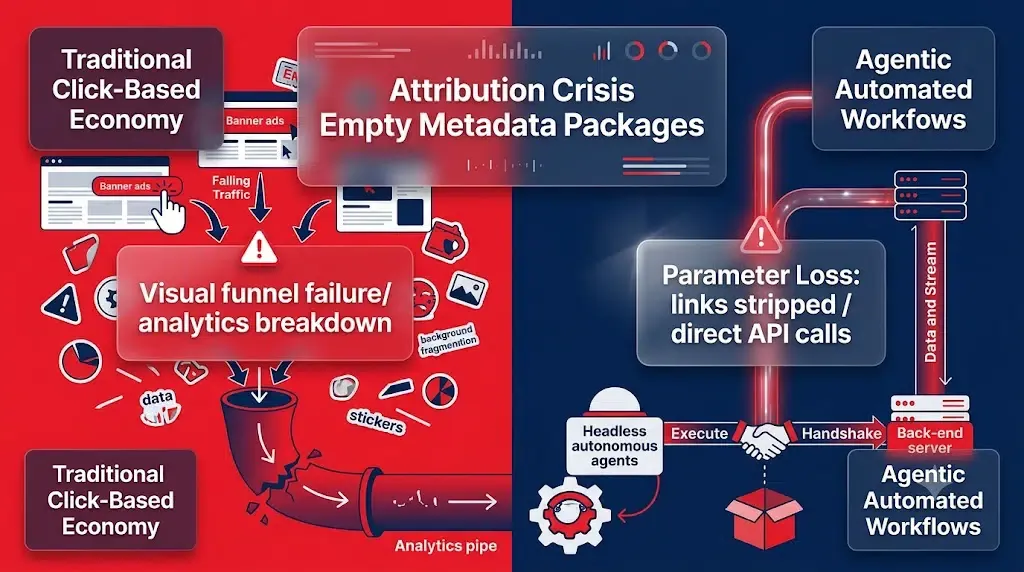
Ultimately, the traditional click-based economy is facing a rapid decline. As payment networks and device operating systems transition to autonomous agentic architectures, the value of software is shifting to the underlying routing layer.
Consequently, building robust, parameter-secure deep linking backbones is no longer a luxury. It is a baseline operational requirement. By preparing your application architecture for the agentic economy today, you ensure your software remains accessible, verified, and profitable in the post-screen era.
Share this article