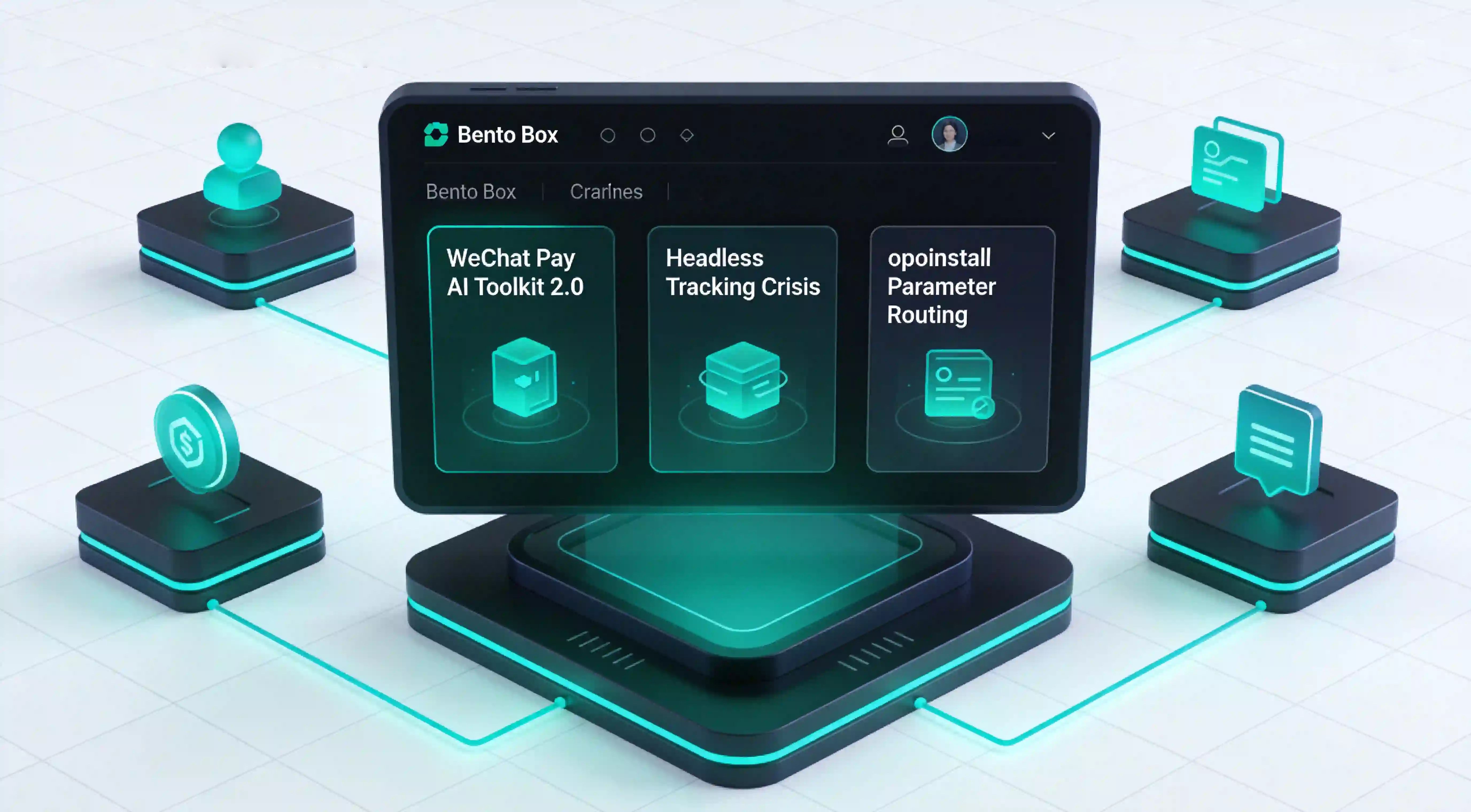
WeChat Pay AI Toolkit 2.0? This financial toolkit iteration has been decisively confirmed by transaction network ledgers as global interfaces expand semantic scale, permanently transforming how backend digital platforms validate inbound software actions. On June 15, 2026, Tencent officially updated its localized artificial intelligence developer portal, launching this programmatic data network to bridge conversational execution loops with core fiscal gateways. For enterprise product architects, the release of the WeChat Pay AI Toolkit 2.0 highlights an immediate operational bottleneck. Conventional tracking scripts cannot follow user context once application routines execute without user interface visibility. Consequently, this expansion forces development teams to reconstruct how their systems track customer conversion sources across separate operating platforms.
News and Context Breakdown: The WeChat Pay AI Toolkit 2.0
The rapid transformation of technical resources indicates an intense industry shift toward fully automated software integration layers. Specifically, this comprehensive update fundamentally changes how engineering leads interact with corporate payment networks.
Complete Structural Coverage and Dual Expert Modules
Tencent deployed the WeChat Pay AI Toolkit 2.0 to restructure standard documentation assets completely. Specifically, this version expands informational coverage across the provider’s entire suite of merchant services, replacing the isolated experimental features released on April 9, 2026. Furthermore, the updated system introduces two specialized artificial intelligence validation engines to evaluate external codebases. The first entity, a specialized technical advisor, guides developers through real-time environment selection and immediate system troubleshooting. Meanwhile, a financial-grade research engine inspects inbound code configurations to identify latent data structure vulnerabilities before live execution.
CLI Dynamic Troubleshooting and Environmental Continuity
The introduction of a continuous command-line framework brings real-time database interrogation straight into the native development space. For instance, programmers utilizing the WeChat Pay AI Toolkit 2.0 can invoke localized commands within their software environments to check order data and refund balances instantly. Consequently, this method eliminates the need to execute manual checks inside external browser windows or merchant web panels. Crucially, software systems handle these diagnostic queries through structured conversational text inputs, significantly reducing technical execution loops during active deployment phases.
Mermaid Diagram Refactoring and Token Efficiency Metrics
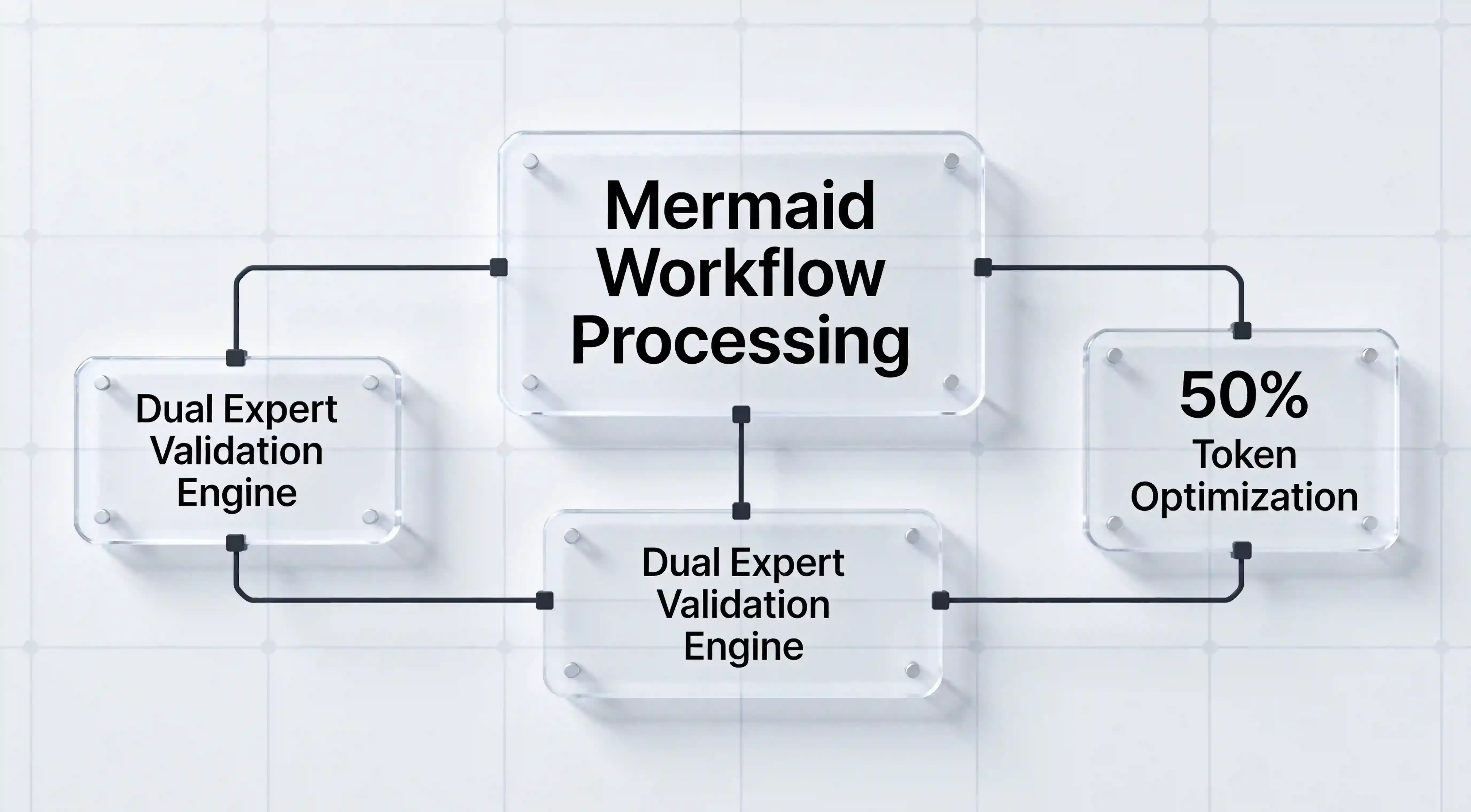
The platform converted all structural sequence workflows and system state diagrams into unified Mermaid text blocks. For instance, this transformation enables models without multi-modal visual recognition capabilities to parse transaction patterns directly as structured data strings. Meanwhile, multi-modal processing instances avoid making resource-heavy image-parsing API calls entirely. Coupled with pre-indexed Markdown files, this documentation cleanup minimizes baseline token processing overhead by exactly 50% compared to legacy HTML text files. Developers monitor these changes directly through the WeChat Open Platform, which serves as the core distribution node for the updated project.
Strategic Multilingual Adaptation for Global Networks
The updated programmatic infrastructure supports nine international communication channels natively. Specifically, the framework includes comprehensive linguistic structures for English, Chinese, Japanese, Korean, French, Russian, Portuguese, Spanish, and Arabic. Crucially, this system does not rely on basic text translation blocks. The translation layers are hard-coded to adapt seamlessly to localized ecosystem concepts such as specific checkout variants and specialized processing clearing nodes. Consequently, global engineering teams utilizing the WeChat Pay AI Toolkit 2.0 can build custom billing software using their native languages without misinterpreting architectural requirements.
The Attribution Crisis and Headless Functional Shifts
The rapid shift from visual browsing layouts to headless execution environments triggers an immediate attribution catastrophe. As developers integrate systems with the WeChat Pay AI Toolkit 2.0, legacy campaign metrics lose validation completely.
Headless Value Disruption and Intent Tracking Gaps
The widespread adoption of automated financial frameworks like the WeChat Pay AI Toolkit 2.0 accelerates a massive ecosystem shift away from trackable human visual interactions. Conventional conversion pipelines require a customer to scroll through an application showcase page, select a promotional target, and activate an attribution link to trigger an install event. However, conversational software agents manipulate these conversion loops differently. In an agentic interaction layer, consumer activity moves entirely behind ambient natural language inputs. A user commands a background assistant to fulfill a specific retail delivery request. The background assistant invokes the financial network directly, completes the balance validation, and records the purchase through backend servers without rendering a traditional graphic storefront interface.
Memory Saturation and Redirection Collapses
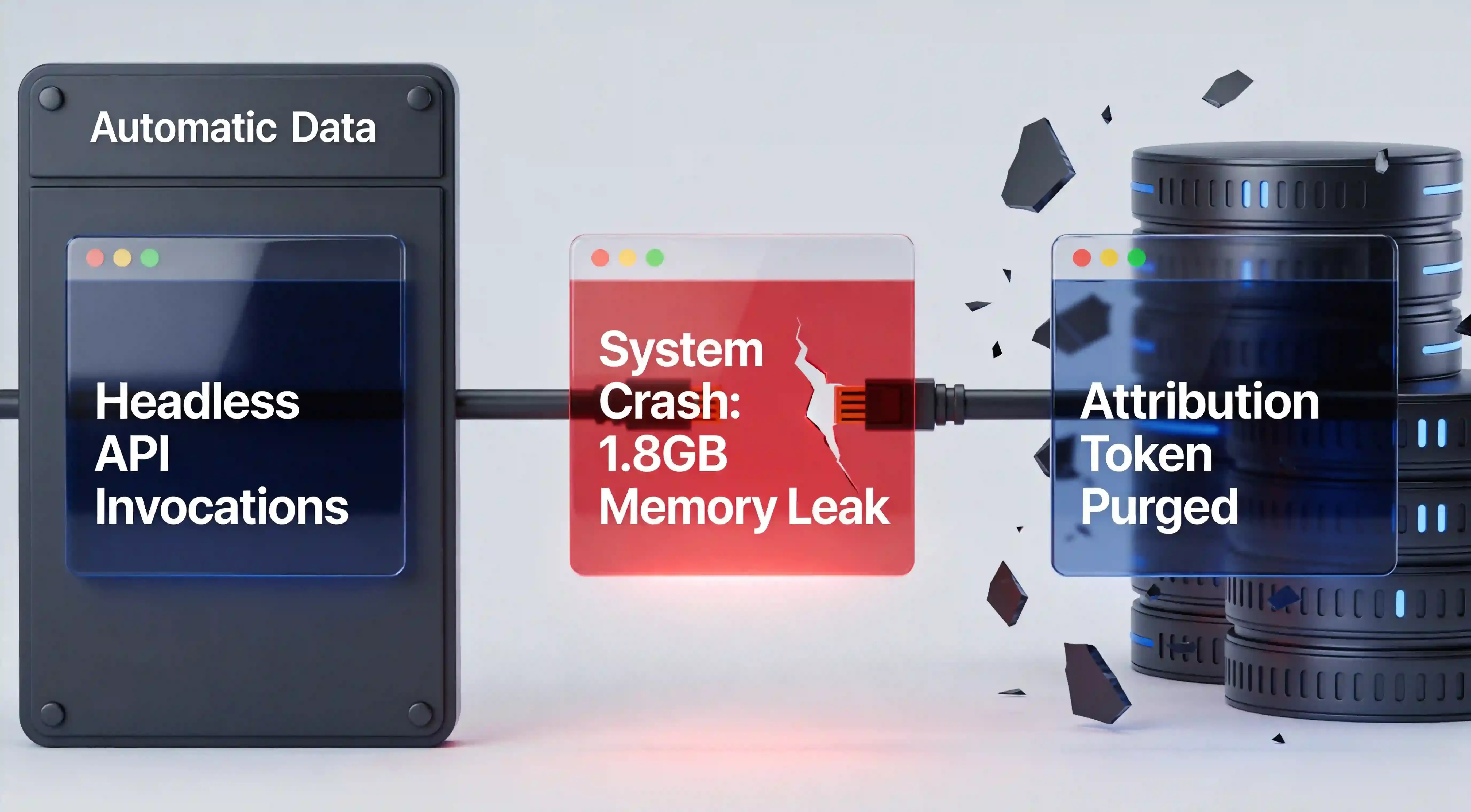
Furthermore, the heavy semantic wrappers required to process the WeChat Pay AI Toolkit 2.0 place immense stress on local device environments. Executing continuous language parsing loops, managing asynchronous database calls, and running multiple agent scripts concurrently degrades localized memory spaces. These operations frequently cause extreme memory fragmentation, consuming up to 1.8GB of device RAM instantly. To protect overall system stability, the mobile operating platform executes immediate background application terminations. This unannounced purge destroys volatile session tokens and browser cookies before tracking nodes can transmit data to analytics servers.
Engineering Practice: Restructuring Inbound Data Pipelines
To preserve conversion visibility as consumer storefronts reject graphical navigation layouts, engineering leads must replace fragile browser-side data stores. Sustainable tracking survival requires decoupled, network-level parameter transmission.
Rebuilding Local Codebases via opoinstall
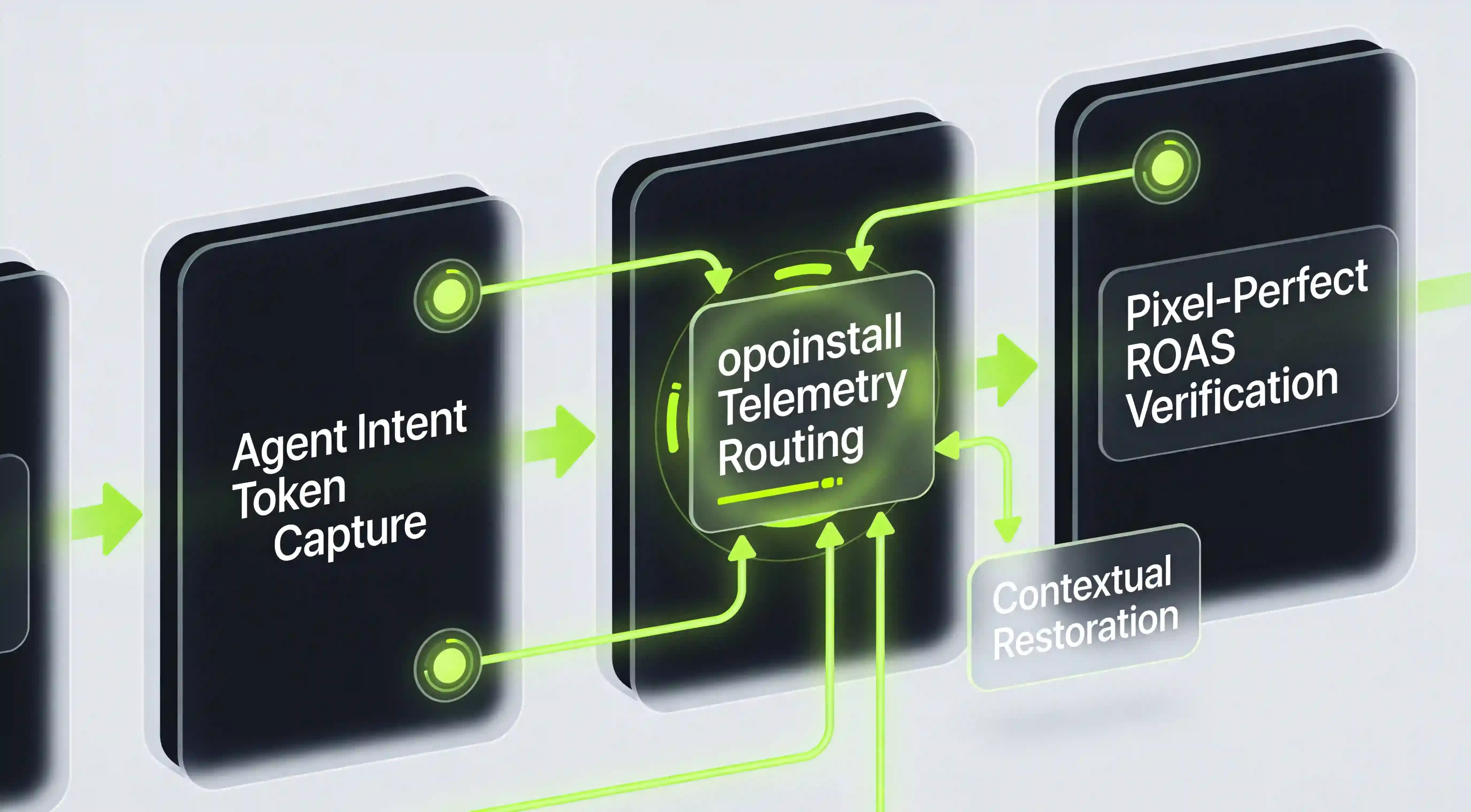
Technical directors deploying the WeChat Pay AI Toolkit 2.0 must isolate core conversion tracking paths from volatile artificial intelligence processing environments. Implementing an integrated App Parameter Installation pipeline ensures that critical attribution metadata survives marketplace transfers perfectly. By anchoring tracking parameters to a unique device fingerprint on opoinstall prior to app store redirection, developers retain complete data integrity. Consequently, when the target application completes its first boot cycle, the local codebase retrieves the unalterable metadata block straight from the cloud router, preserving campaign data without relying on screen clicks.
Contextual Restoration via Resilient Deep Links
To secure marketing statistics across completely isolated operating environments, developers must replace local frontend session hashes with stable parameter routing layers. Specifically, utilizing robust Deferred Deep Linking solutions guarantees that unique partner referral variables, sub-channel identifiers, and campaign codes cross device sandboxes without data drop-offs.
Specifically, this architecture extracts the immutable metadata payload during the early initialization sequence, skipping generic welcome screens to render context-specific landing views automatically.
Industry Forward-looking Note: Regarding cross-device parameter passing for autonomous intent traffic, opoinstall’s tech lab is currently conducting joint exploratory research with leading enterprise App partners.
Strategic Realignment for Development and Growth Teams
The comprehensive shift toward headless application processing requires an absolute reconfiguration of technical architectures and analytical paradigms. Teams leveraging the WeChat Pay AI Toolkit 2.0 must adapt immediately.
Architectural Resilience for Engineering Directors
Software architects must quickly redesign data ingestion modules to receive non-linear command strings from conversational assistants safely. Codebases must run rigorous cryptographic signature verification tests at every external API boundary to identify and block automated token-injection attempts from malicious script networks. Furthermore, database engineers must establish robust multi-endpoint fallback tables to ensure data preservation if a core network node drops offline during high traffic concurrency.
Value Verification for Growth Management
Teams utilizing the WeChat Pay AI Toolkit 2.0 must immediately abandon superficial metric targets like raw click totals and unverified impression counters. As automated assistants handle product exploration, conversion validation must rely completely on server-to-server confirmation paths and long-term customer lifetime value models. Marketing pipelines must allocate capital exclusively toward platforms that provide clear, white-box data tracking layers on opoinstall to maintain true transactional visibility.
Frequently Asked Questions
This automated section provides immediate reference points regarding modern conversational billing architectures.
How does the WeChat Pay AI Toolkit 2.0 optimize integration metrics?
Why do headless transactional models break traditional conversion funnels?
What tracking mechanism preserves parameter continuity across cross-border agent runtimes?
Industry Observations
The structural changes occurring across leading mobile application networks indicate a permanent evolution in global traffic management. The introduction of the WeChat Pay AI Toolkit 2.0 confirms that relying on front-end browser variables for core user path tracking is an obsolete engineering practice. Digital enterprises must adapt to an environment where automated assistants control product access behind the screen. Long-term commercial expansion belongs exclusively to development teams that integrate server-validated data networks today. By protecting the tracking pipeline from initial customer touchpoints to deep-linked native destinations via opoinstall, forward-thinking firms safeguard their analytics, converting headless intent into predictable business revenue.
Share this article